
What we’re watching: Weekly disaster update, July 6
Some disasters make headlines; others do not. Here at the Center for Disaster Philanthropy (CDP), we monitor the status of disasters worldwide and compile a list of the ones we’re tracking weekly.
Here’s what we’re watching for the week of July 6, 2026.
New or Emerging Disasters
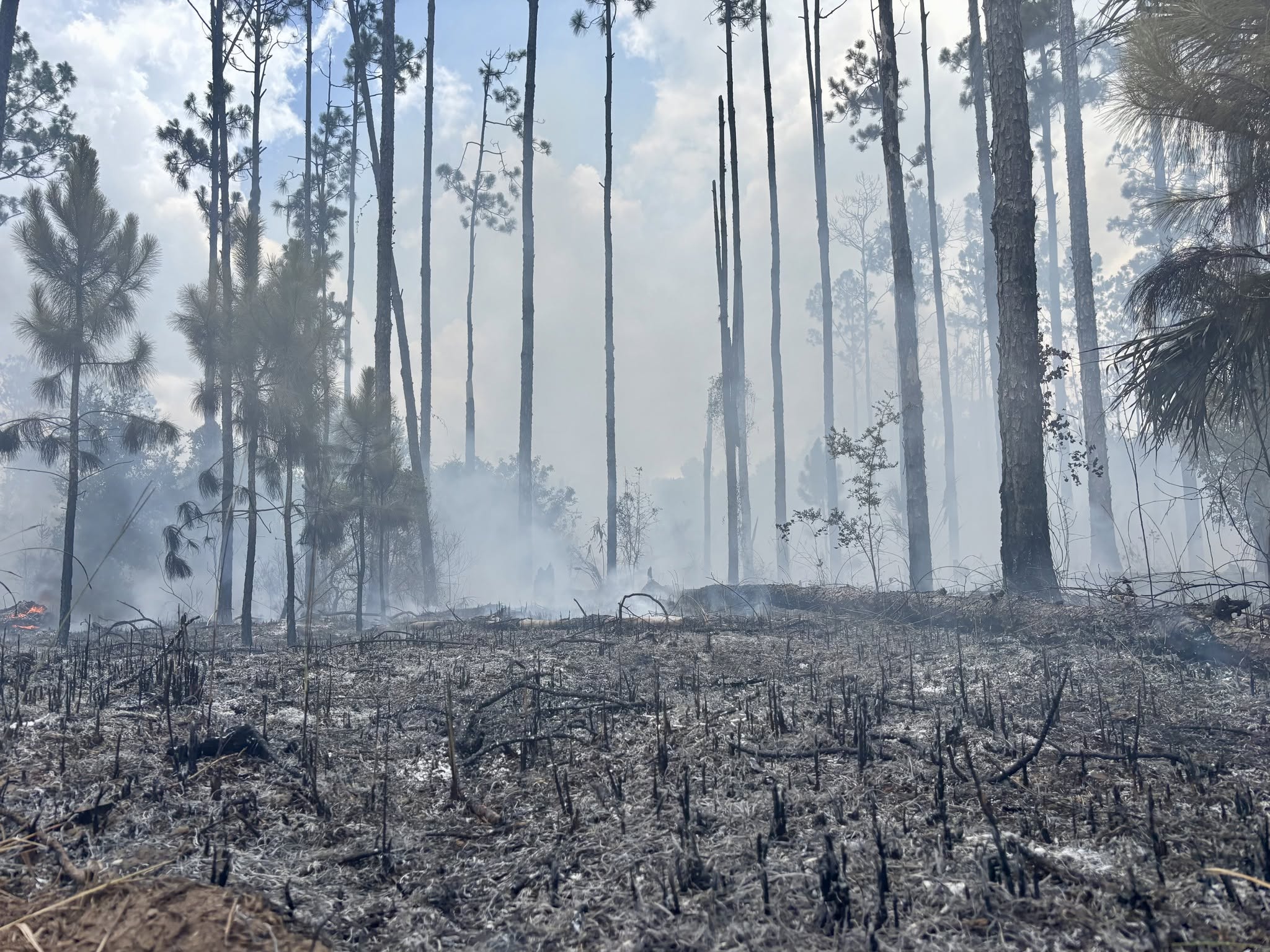
Wildfires – Colorado: While several large fires are burning in the western United States, The Aspen Acres Fire burning in Pueblo and Custer counties is now the highest-priority fire in the United States. The fire has burned 91,000 acres since it ignited on June 29 and is only 12% contained as of July 6. At least 180 structures have burned so far and evacuation orders are in place for 11,000 people. The Aspen Acres Fire is one of the top 10 largest fires in Colorado’s history.
Extreme Heat – United States: Extreme heat across 20 states caused the deaths of at least 25 people. A heat dome caused temperatures to exceed 100 degrees along the East Coast and Midwest for several days. Extreme heat is the country’s most dangerous weather hazard, and this heat wave was one of the deadliest weather events this summer.
Typhoon Bavi – Mariana Islands, Guam: A Category 5 super typhoon brought high winds, heavy rain and power outages to areas still recovering from Super Typhoon Sinlaku in April. On Monday, July 6, the storm passed over the island of Rota, bringing 180 mph and causing major damage. Fortunately, no deaths or injuries have been reported as the storm moves east to Taiwan.
Severe Tropical Storm Maysak – China: Heavy rainfall from the storm has overflowed or broken through several reservoirs and a major dam in Nanning, China, causing at least 15 deaths and the evacuations of 62,000 people. The severe flooding has caused landslides and submerged cars, roads and thousands of homes, as China braces for more rainfall from Typhoon Bavi this week.
Previous/Ongoing Disasters
Earthquakes – Venezuela: As of July 6, officials have recorded 3,342 deaths with approximately 30,000 people still missing following the June 24 earthquakes in Venezuela. Over 6,000 people have been rescued alive, and another 17,000 have been left homeless. International rescue teams are beginning to depart, and the government of Venezuela has shifted focus from rescue to debris removal.
Floods – Central Texas: July 4 marked the one-year anniversary of the devastating floods that swept through Central Texas, killing 136 people, 25 of whom were children.
A year on, at least 120 homes have not been rebuilt. Only about 7% of total homeowners in Texas and 2% of homeowners in high-risk areas, like Kerr County, have flood insurance, leaving families to rebuild without financial assistance. The Federal Emergency Management Agency approved only slightly more than a fifth of the several thousand applications for assistance from Kerr County, according to a nonprofit tracking the data.
The directors of Camp Mystic raised money to install more than 90 new flood sirens in Kerr County.
Extreme heat – Western Europe: Europe has recorded over 3,700 excess deaths due to the June heat wave that broke records in several countries. France saw 2,025 excess deaths from June 22-28. Europe is expecting its third heat wave of the summer in the coming days.
Complex Humanitarian Emergencies – Sudan
Many places worldwide are experiencing conflict, climate change, drought, famine, economic challenges and other conditions which, when combined, create complex humanitarian emergencies (CHEs). CDP spotlights one CHE each week to spread awareness and develop a philanthropic response.
The Rapid Support Forces (RSF) surrounded the city of El Obeid in Kordofan in late May, seizing the city by early July. The siege has intensified international concern that a large-scale attack is imminent, much like what happened in El Fasher this past fall.
Key facts:
- A coalition of Western governments recently warned that approximately 500,000 civilians in El Obeid face an imminent risk of mass atrocities if the RSF launches a full assault, urging both sides to protect civilians and allow humanitarian access.
- The Humanitarian Research Lab at the Yale School of Public Health has documented sustained RSF bombardment around El Obeid, reporting worsening displacement, infrastructure damage and rapidly deteriorating humanitarian conditions.
- Humanitarian agencies fear that an assault on El Obeid could mirror previous attacks on cities such as El Fasher and El Geneina, where civilians experienced widespread killings, sexual violence and large-scale displacement.
- The warnings come amid escalating fighting across North Kordofan, with civilians reporting shortages of food, water, fuel and medicine as drone attacks continue, and humanitarian access remains severely restricted.
Sudan’s crisis is worsening amid limited international attention. Without sustained humanitarian access, civilian protection measures and increased funding, millions of Sudanese people are expected to face even greater risks from conflict, hunger and disease in the coming months.
For a comprehensive look at the humanitarian emergency in Sudan, please visit our Sudan CHE Profile.
Join us Thursday, July 23
Before disasters strike: Rethinking philanthropy for a changing climate
 House submerged in orange, polluted water in Romania, May 2026. (Photo credit: iuliu illes on Unsplash.)
 What We’re Reading
-
Language matters for disaster warnings – This community didn’t get useful flood alerts – The Conversation
-
Russia attack on Kyiv kills at least 27, injures scores – DW
-
Gaza’s future remains uncertain as Palestinians and Israelis mark 1000 days of war – PBS News
A moment of hope… After more than three years of war, maternity services are slowly returning to parts of Khartoum, Sudan’s capital. The Ministry of Health has repaired and reopened 15 maternity wards.
When these facilities closed, mothers and newborns faced high mortality and complication rates when giving birth at home or traveling long distances to seek health care. Now, doctors and midwives are once again delivering babies despite damaged infrastructure, shortages of medicines and equipment, unreliable electricity, and the high cost of care. Complications and mortality rates of mothers and newborns are gradually decreasing.

Gina DeLuca
Content Development Associate