What we’re watching: Weekly disaster update, March 23
Some disasters make headlines; others do not. Here at the Center for Disaster Philanthropy (CDP), we monitor the status of disasters worldwide and compile a list of the ones we’re tracking weekly.
Here’s what we’re watching for the week of March. 23, 2026.
New or Emerging Disasters
Floods – Malawi: Since March 16, heavy rainfall has caused severe flooding over most of Malawi, killing 13 people and affecting nearly 10,000 people. At least 128 people have been displaced.
Wildfires – Nebraska: More than 800,000 acres have burned in two major wildfires in central and western Nebraska. The Morrill fire is the largest in the state’s history. One person has died, and evacuation orders are in place. The fires started on March 12 due to drought conditions in the state.
Severe Storms – Pakistan: On March 19, a major storm characterized by heavy rains and strong winds killed 15 people in Karachi, when roofs and buildings collapsed. Flooding, power outages and downed trees were reported. The storm occurred two days before Pakistan celebrated Eid ul-Fatr. Many people shopping for the holiday were stranded in markets, streets and shopping centers.
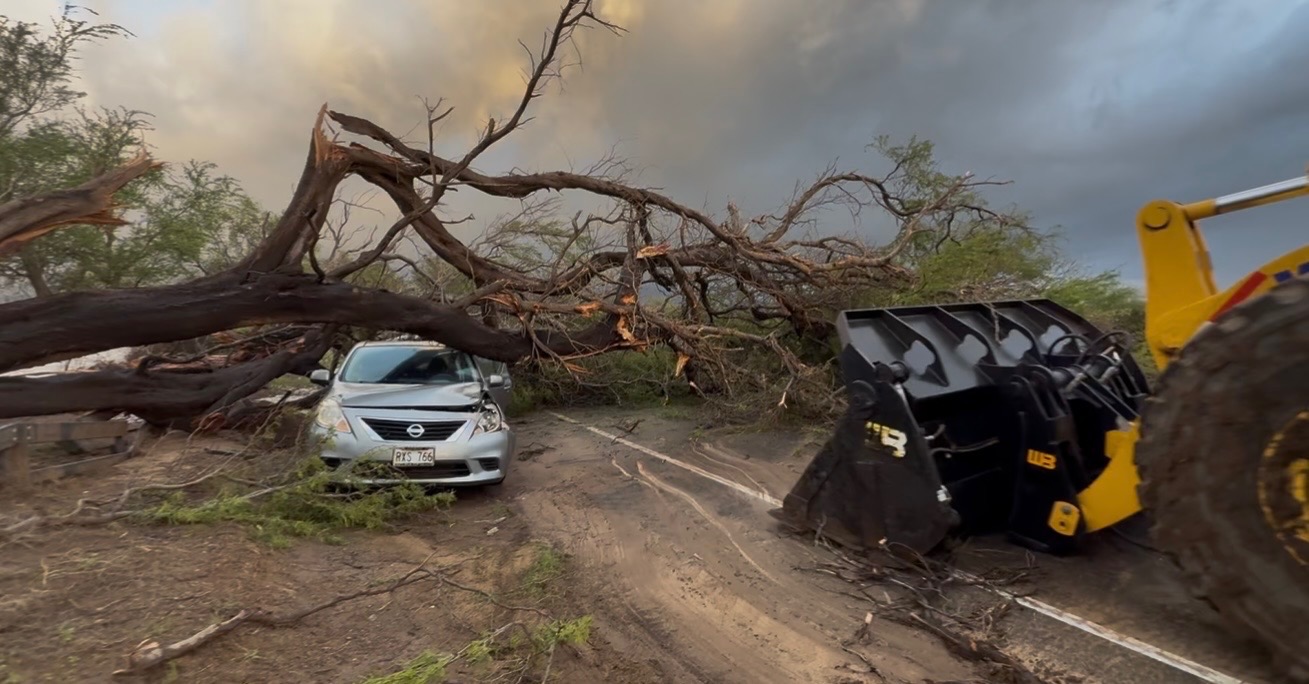
Kona storm – Hawaii: Officials urged residents in Lahaina and areas north of Honolulu to evacuate ahead of more severe weather after 34 inches of rain fell in 24 hours between March 10 and March 16. Many people called this the worst rainstorm in the island’s modern history. Maui is still recovering from the devastating wildfires of 2023, and burn scars left by the fires cause the soil to become hydrophobic, increasing the likelihood of dangerous flooding.
Jennifer Gladwin from Kelea Foundation, a CDP Hawaii Wildfires Recovery Fund grantee partner, shared:
“Now comes the disaster recovery on top of the disaster recovery so it’s a bit of an extra struggle on top of the heads of people who are exhausted. … Our community has activated all of the systems that we had in place from the fires and we are in go mode.”
Complex Humanitarian Emergencies – Myanmar
Many places worldwide are experiencing conflict, climate change, drought, famine, economic challenges and other conditions which, when combined, create complex humanitarian emergencies (CHEs). CDP spotlights one CHE each week to spread awareness and develop a philanthropic response.
Myanmar’s civil war is driving widespread need, with Rohingya facing extreme risks around protection, health and education both in Rakhine and in exile. In the first half of 2025, Myanmar ranked second globally for conflict intensity and the fourth most dangerous country for civilians, with more than half of the population exposed to conflict.
Key facts:
- Military airstrikes have struck residential areas, schools, hospitals, religious sites, and camps for internally displaced people (IDPs), killing thousands.
- Fighting between the junta and the Arakan Army (AA) in Rakhine has trapped Rohingya between two abusive forces; both have been implicated in extrajudicial killings, widespread arson, looting, forced labor, arbitrary detention and forced recruitment.
- Recent offensives have displaced at least 400,000 people in Rakhine and southern Chin and forced about 150,000 Rohingya to flee toward or into Bangladesh since late 2023, while tens of thousands more are stranded near Sittwe and along the border with almost no option to exit safely.
- UN mechanisms and rights groups frame the current pattern of abuses against Rohingya as a continuation and intensification of genocidal violence.
- The junta enforces deadly blockages of humanitarian aid as a method of collective punishment against civilian populations. These blockages sustain the military’s longstanding “four cuts” strategy, designed to maintain control of an area by isolating and terrorizing civilians.
- Elections in late December 2025 were the first since the coup began in 2021, with the military retaining political power in a landslide victory. Human rights groups have denounced the election as “neither free nor fair.”
- More than 45% of the population require life-saving assistance.
Despite increasing need, the Myanmar 2026 Humanitarian Response Plan target has been set at 4.9 million people, a 27% decrease from 6.7 million in 2025. The reduction number of people targeted for aid reflects the diminished response capacity and resources foreseen for 2026.
Upcoming webinar
Supporting communities in crisis: Evidence on funder motivations, barriers and opportunities
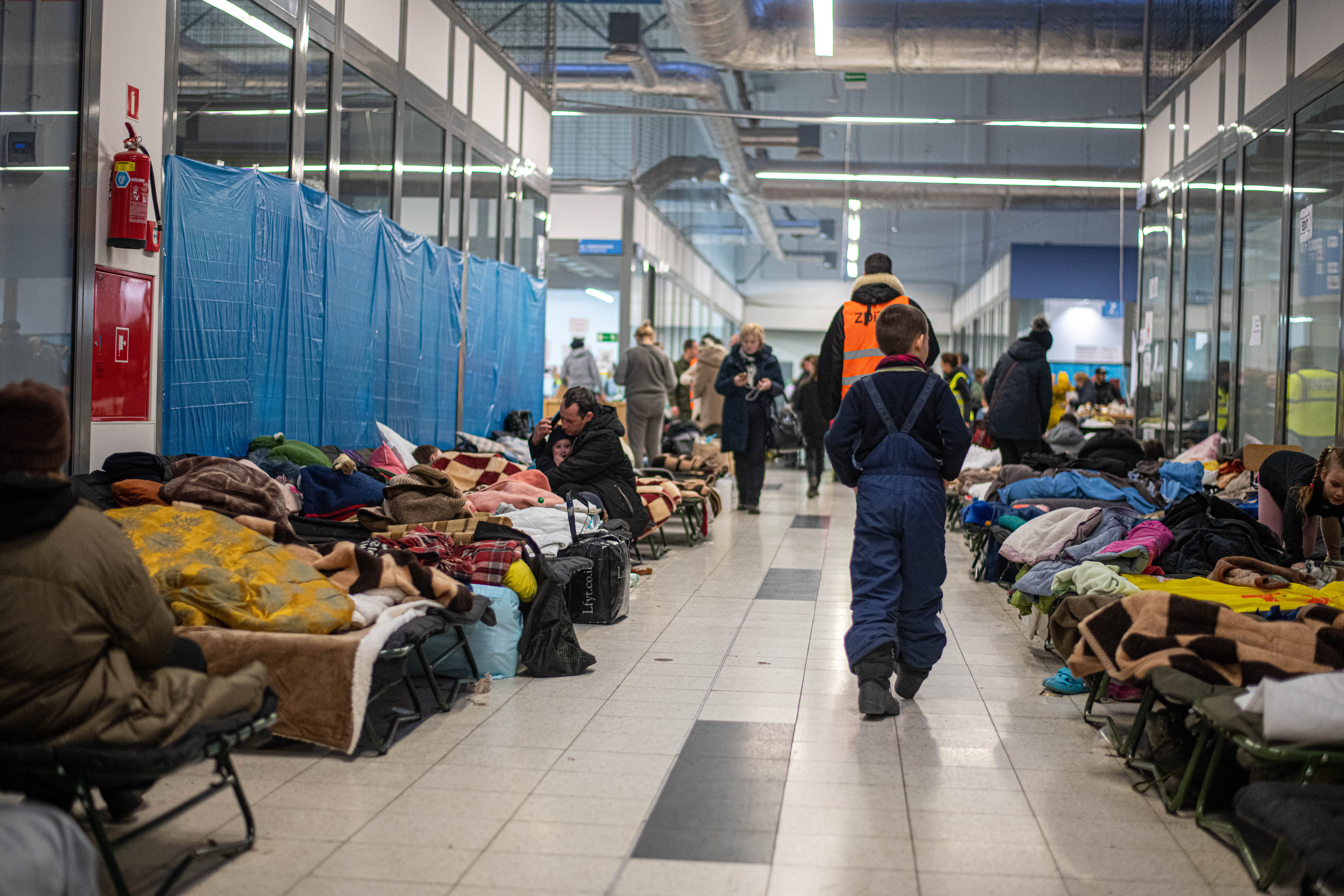 Refugees at a refugee camp in Poland fleeing from Russia’s invasion of Ukraine, March 2022. Photo by Tom Remp
 What We’re Reading
- Louisiana approves power abandonment plan, but hope remains for some –WDSU
- The Geography of Rural America’s Philanthropic Sector – USDA
- Two Years After Fatal Explosion, Alabama Mine Regulator ‘Letting the Fox Guard the Henhouse,’ Resident Says – Inside Climate News
A moment of hope… The current war in Iran is exposing the volatility of the world’s energy market, and communities are responding by building local, citizen-led clean energy systems. Emergent Energy installs solar microgrids on socialized housing in London that cut tenants’ bills while decarbonizing power. Other initiatives, like neighborhood “People Owned Power” projects, community-owned solar schemes across London and youth-focused offshore wind education, highlight how decentralized renewables can make energy more affordable and resilient.

Gina DeLuca
Content Development Associate