What we’re watching: Weekly disaster update, November 24
Here’s what we’re watching for the week of Nov. 24, 2025.
New or Emerging Disasters
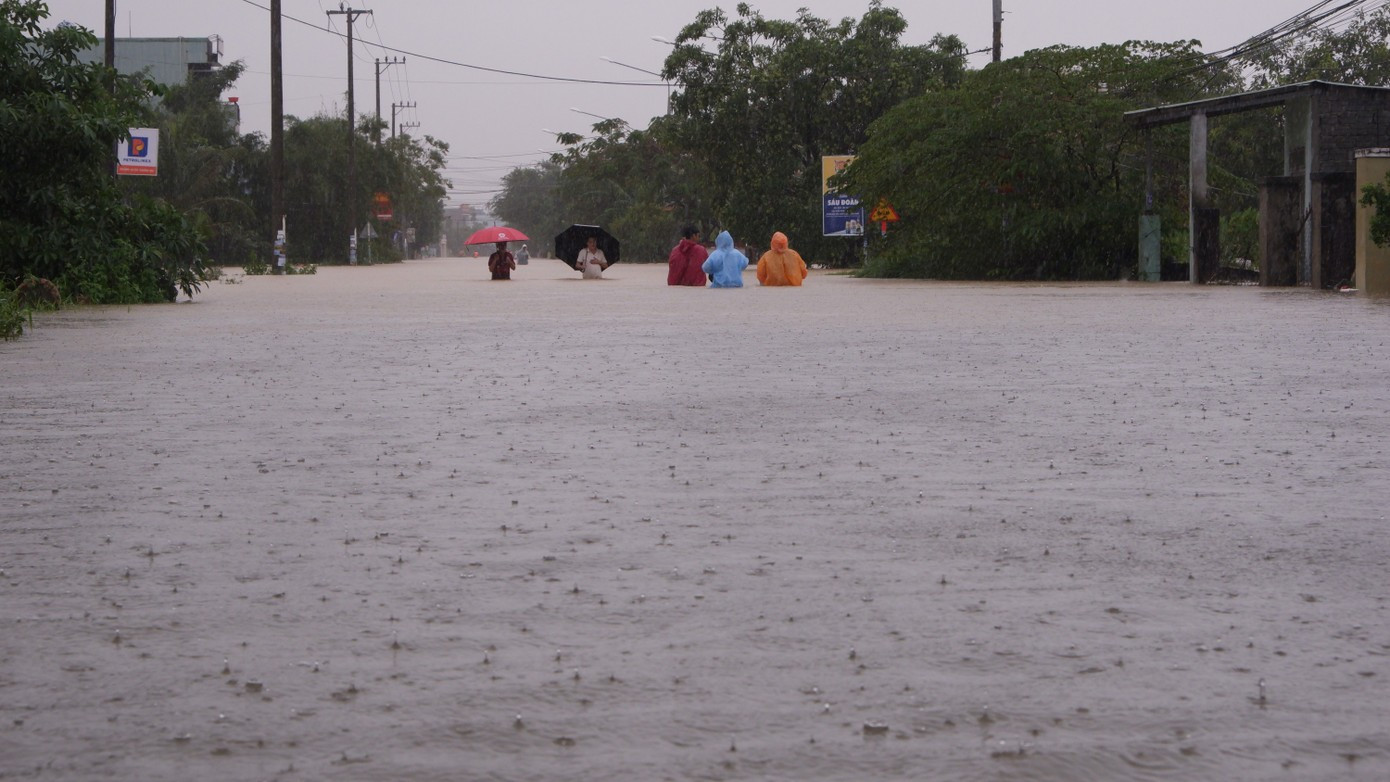
Flooding – Vietnam: In the past week, at least 90 people have died and over a dozen are missing from severe floods and landslides in Central Vietnam. Torrential downpours from this weekend alone have inundated more than 200,000 homes.
Central Vietnam is quickly becoming an epicenter of extreme weather caused by climate change. The peak coffee harvesting season has been delayed due to damage caused by excessive rain, which could have considerable economic consequences for farmers.
Flooding – Gaza: Local aid groups say that 300,000 tents are urgently needed as encampments along the seashore in Gaza have been flooded by heavy rains and storm surges in recent days.
Cooking kits, mattresses and medical supplies have been destroyed. Sewage pits have overflowed, and sanitation systems were also damaged, along with solar installations that provide most of the electricity to citizens.
Cold and wet weather, along with poor sanitation and persistent malnutrition, have caused the spread of disease and a surge in gastrointestinal illness, especially in children.
Disease outbreak – Jamaica: Due to the flooding and damage from Hurricane Melissa, at least six people in Jamaica have died from an outbreak of leptospirosis, a bacterial infection caused by rat urine in contaminated water after storms.
Because electricity and phone service are still down throughout the island, it’s difficult to get an accurate count of how many people may have contracted the disease. Currently, there are at least 37 suspected cases, though the number is likely much higher. Cases of tetanus and dengue fever are also on the rise after the hurricane.
Previous/Ongoing Disasters
Avian flu – United States: The first human known to be infected with H5N5, a rare strain of bird flu, has died, according to officials in Washington State on Nov. 21. This person likely contracted this strain of avian flu from his backyard flock. The risk of avian flu rises in fall and winter during the migratory season.
Complex Humanitarian Emergencies – Yemen
When a country experiences political conflict, climate shocks, famine, economic challenges or other conditions, it may suffer a complex humanitarian emergency (CHE). CDP maintains complete profiles on several CHEs. Every week, we highlight these and other CHEs, hoping to build awareness and increase philanthropic response. We are currently focusing our CHE updates on violence against women and girls.
Yemeni women and girls face a staggering humanitarian crisis after more than a decade of civil war. Around 28 percent of Yemen’s territory, containing up to 80 percent of its population, is now controlled by Houthi rebels. This has made life extremely difficult for Yemen’s women and girls.
Key facts:
- Women and children account for nearly 80% of the 4.8 million people displaced in Yemen.
- Girls are vulnerable to child marriage, human trafficking, forced begging and child labor due to limited shelter options and a breakdown of protection mechanisms.
- Girls in Yemen also face harmful traditional practices, such as female genital mutilation.
- More than 30% of girls in Yemen are married before the age of 18.
- The fatality rate of children under five years old is highest among mothers younger than 20 years old, highlighting the risks of early marriage.
- Girls are often denied education and vocational training, so when women find themselves responsible for providing for a family as a head of household, they often resort to negative coping strategies like child marriage or child labor.
- Funding cuts to the UNFPA have deprived more than 1.5 million women of life-saving services and forced at least 44 health facilities and 14 mobile reproductive care clinics to close.
- Due to a reduction in training programs, approximately 600,000 women are projected to give birth without the support of a midwife.
- Women leaders and journalists are often targets of attack. Aftihan Al-Mashhari— the director of the Sanitation Fund in Taiz Governorate—was killed by gunmen in September 2025.
More than 6.2 million women and girls in Yemen are at risk of gender-based violence (GBV) in 2025. However, global funding cuts have had devastating consequences for both the organizations responding to this issue and the women and girls they serve. Sadly, the 2025 Humanitarian Needs and Response Plan Addendum aims to reach just 1% of all Yemeni women and girls in need of GBV services due to funding constraints.
What We’re Reading
A moment of hope… The report “The Great Solar Rush in Pakistan” highlights a dramatic surge in demand for solar energy driven by soaring electricity costs. Pakistan imported more than $4.1 billion worth of solar panels in four years, with rooftop and off-grid installations rapidly expanding across the residential, industrial and agricultural sectors.
This decentralized solar boom is reducing grid dependency and positioning Pakistan to exceed its 2030 renewable energy targets far ahead of schedule. However, some challenges remain in grid integration, policy adaptation and financial sustainability.

Gina DeLuca
Content Development Associate