
Complex Humanitarian Emergencies
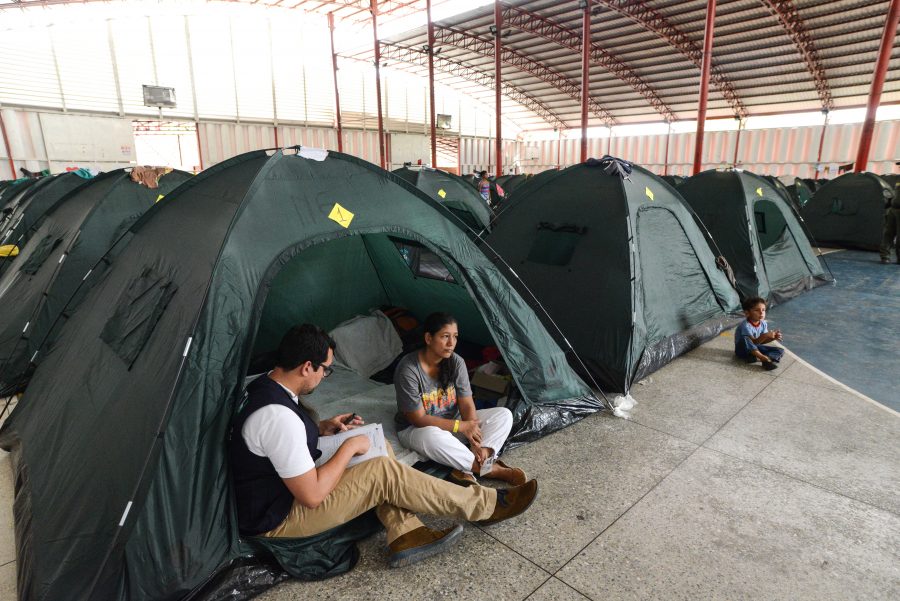
A complex humanitarian emergency (CHE) is a protracted crisis in a region that often includes political conflict, climate disasters and poverty. Consequently, mass suffering from problems like disease outbreaks, gender-based violence, hunger and displacement usually results.
What are CHEs?
- Complex humanitarian emergencies (CHEs) are characterized by extensive violence and loss of life.*
- They cause mass displacement of people.
- They require a large-scale, multi-faceted humanitarian response.
World Economic Forum
UNOCHA received only $12 billion of its $47 billion appeal in 2025, the lowest in a decade.
CHEs are multisectoral crises that cause pervasive human suffering. UNHCR, the UN Refugee Agency, defines a CHE as “a humanitarian crisis in a country, region or society where there is a total or considerable breakdown of authority resulting from internal or external conflict, and which requires an international response that goes beyond the mandate or capacity of any single agency and/or the ongoing UN country programme.”
Humanitarian emergencies are consistently underfunded, resulting in severe consequences for people in need. When response teams can only provide life-saving assistance, long-term recovery cannot be achieved, which further protracts the crisis. Philanthropy can improve outcomes by providing flexible and multi-year funding that supports both immediate humanitarian relief and long-term solutions for affected communities.
Who is affected by CHEs?
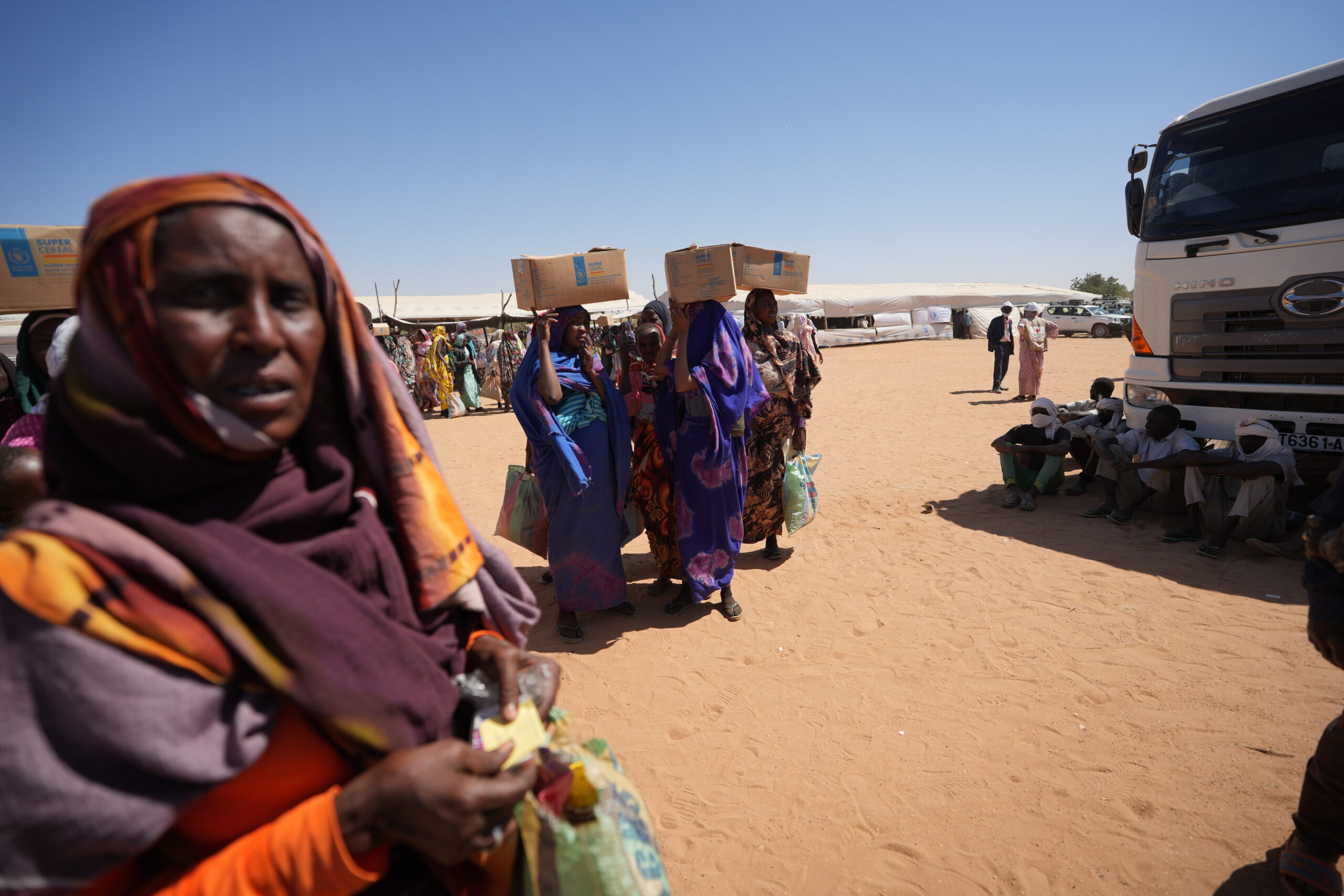
- Civilians bear the greatest burden in complex humanitarian emergencies, which exacerbate all existing inequalities.
- Children are often exposed to extreme protection risks, disease, malnutrition and loss of education.*
- Violence against women and girls increases.
Also, children and adults living with physical or developmental disabilities are often disregarded in humanitarian contexts. They often have the most trouble fleeing conflict or disasters. They may be abandoned by family members who lack the resources to help them, and they are targeted in armed conflict when they can’t escape. Humanitarian aid often fails to adequately address the needs of those living with disabilities, in part because there is a lack of data on this demographic in many areas.
Additionally, older people and LGBTQ people are often unable to access humanitarian aid or are excluded from action plans.
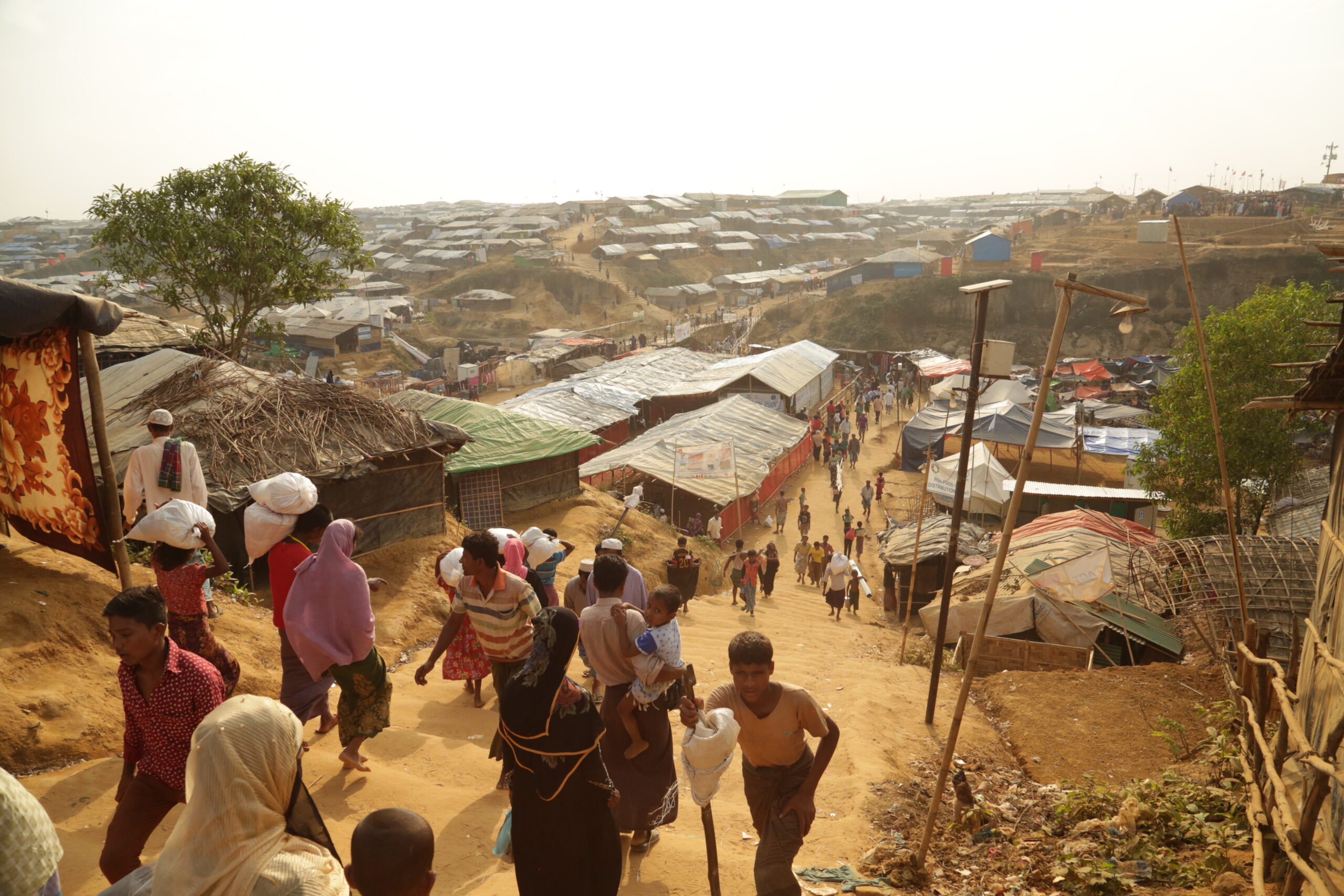

- 239 million people need urgent humanitarian assistance worldwide in 2026.*
- 1 in 5 children worldwide are living in or fleeing brutal conflict.**
- 1.2 million people suffered catastrophic, conflict-driven hunger, with Gaza, South Sudan, and Yemen among the worst affected in 2025.***
Where do CHEs occur?
- Complex humanitarian emergencies occur mainly in low and middle-income countries experiencing protracted conflict.*
- CHEs can be confined to a small region of a country, or they can affect several countries in the same area.**
- CHEs can occur in urban, suburban or rural areas.
Currently, Sudan, Myanmar, Afghanistan, the Democratic Republic of Congo, Haiti, Gaza and other places top the list of the world’s largest and most severe CHEs.
However, complex humanitarian emergencies can also emerge in higher-income contexts after catastrophic disasters when systems collapse, such as in Ukraine after Russia’s full-scale invasion in 2022.
What causes CHEs?
- CHEs may be dramatically worsened by a specific event (like a climate disaster) and persist for years.*
- They occur when there is a considerable breakdown of authority.
- CHEs are often exacerbated by climate shocks.**
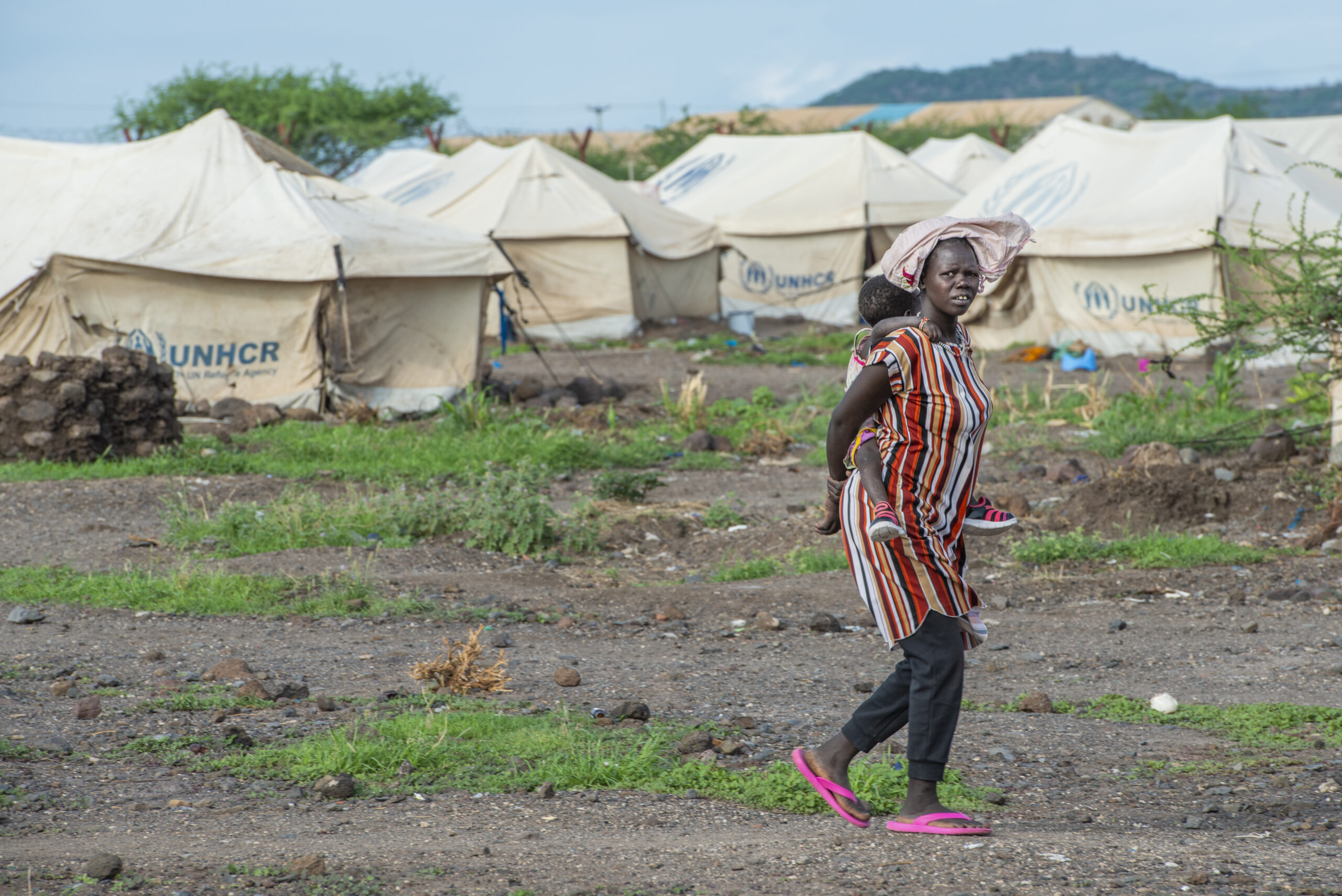
Complex humanitarian emergencies are caused by overlapping crises, like armed conflict combined with governance breakdown, widespread human rights violations, food insecurity, disease outbreaks, and, at times, climate shocks. When combined, these elements overwhelm a state’s ability to respond.
The impact of climate change further compounds humanitarian crises. According to the International Monetary Fund, “climate shocks do not cause conflicts, but they worsen existing unrest and exacerbate other underlying fragilities, such as hunger and poverty.”
The World Economic Forum states that by 2050, “…climate change may cause an additional 14.5 million deaths and $12.5 trillion in economic losses worldwide.” The consequences of climate change will be most significant in fragile states.
How can funders help?
- Support broad and integrated efforts. CHEs involve multiple causes, so narrow and siloed approaches are ineffective. Funders can have a more significant impact when they support efforts that are broad in scope and integrated with existing NGOs and UN mechanisms.
- Support mitigation, recovery and resilience, not just immediate needs. While funding life-saving assistance is essential, young people still need to be educated, small businesses need to operate, health facilities need to run and families need to rebuild livelihoods.
- Provide flexible and multi-year funding. CHEs are fluid. Shifting alliances of groups party to a conflict, ongoing displacement and the constant threat of natural hazards make precise planning difficult, if not impossible. Allow organizations the flexibility to use grant funds in ways that make the most sense given the current conditions on the ground.
- Support localization of funding. Fund local actors and interventions that strengthen local systems and capacities. Local actors remain on the ground and will continue to meet ongoing, recurrent and protracted needs when media attention and funding wanes.
Learn more
Additional resources
- CDP Issue Insight: Hunger
- CDP Issue Insight: Violence Against Women and Girls
- CDP Issue Insight: Internally Displaced People
- CDP Disaster Profile: Complex Humanitarian Emergencies in Need of Attention
Sources
What are CHEs?
Block Quote
Who is affected by CHEs?
- * Unicef
- ** Unicef USA
Impact Highlight
Where do CHEs occur?
What causes CHEs?
- * UNHCR
- ** United Nations