
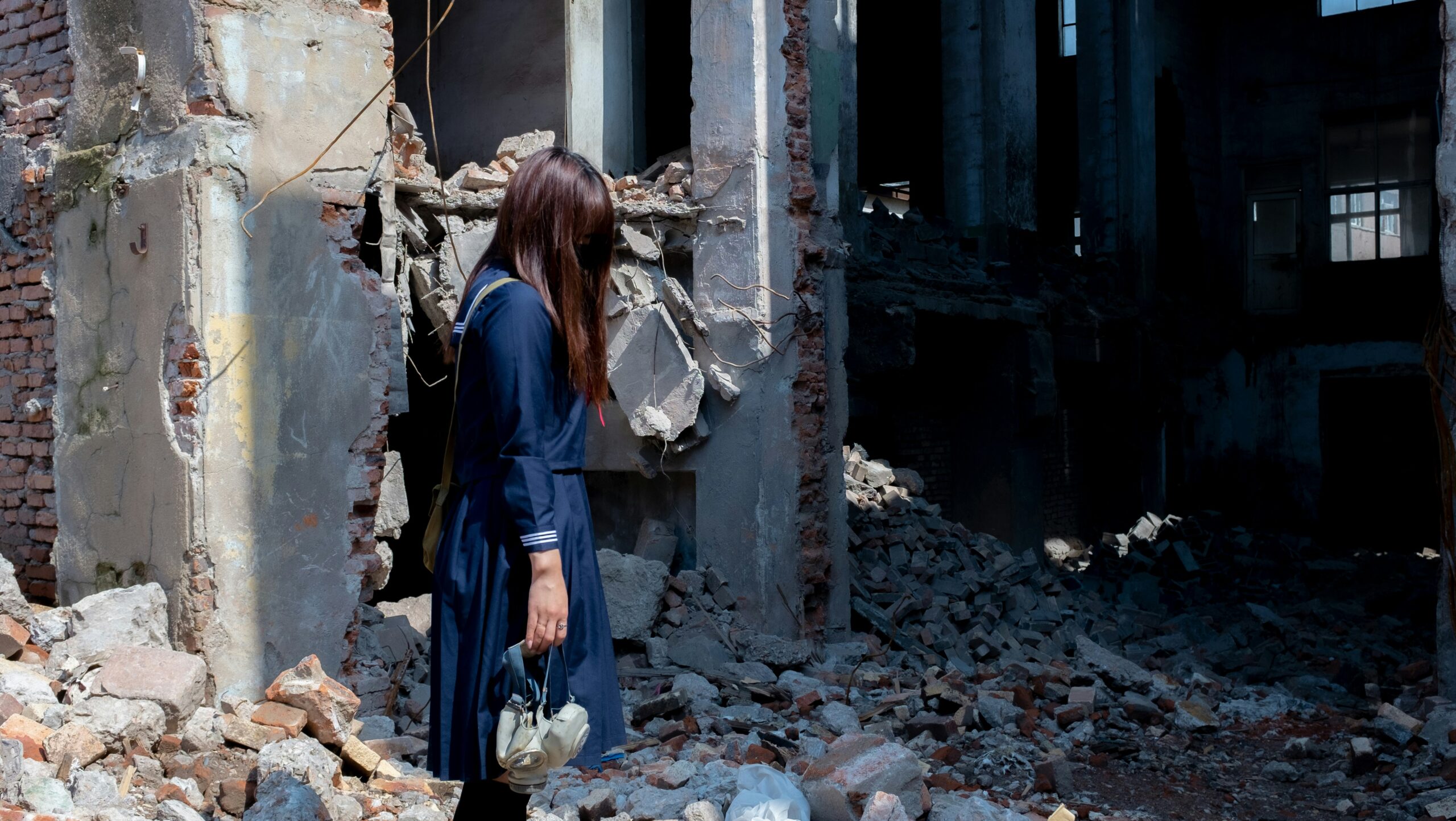
Violence Against Women and Girls
Every 10 minutes*, a woman is killed by an intimate partner or family member. Violence against women – particularly intimate partner violence and sexual violence – is a significant violation of human rights. When violence overlaps with disasters and crises, it becomes even more complicated. Until violence against women and girls is adequately addressed, women’s inequality will persist.
What is violence against women and girls (VAWG)?
- Violence against women and girls (VAWG) is deeply rooted in gender inequality. *
- VAWG is a fundamental barrier to equal participation of men and women in social, political and economic spheres. **
- Estimates published by the World Health Organization indicate that globally, about one in three women have been subjected to physical violence, sexual violence, or both, by intimate partners, family or community members. ***
The United Nations defines violence against women as “…any act of gender-based violence that results in, or is likely to result in, physical, sexual, or mental harm or suffering to women, including threats of such acts, coercion or arbitrary deprivation of liberty, whether occurring in public or in private life.” This includes psychological abuse, financial and digital abuse, stalking, street harassment, intimate partner violence (IPV), rape and murder (femicide).
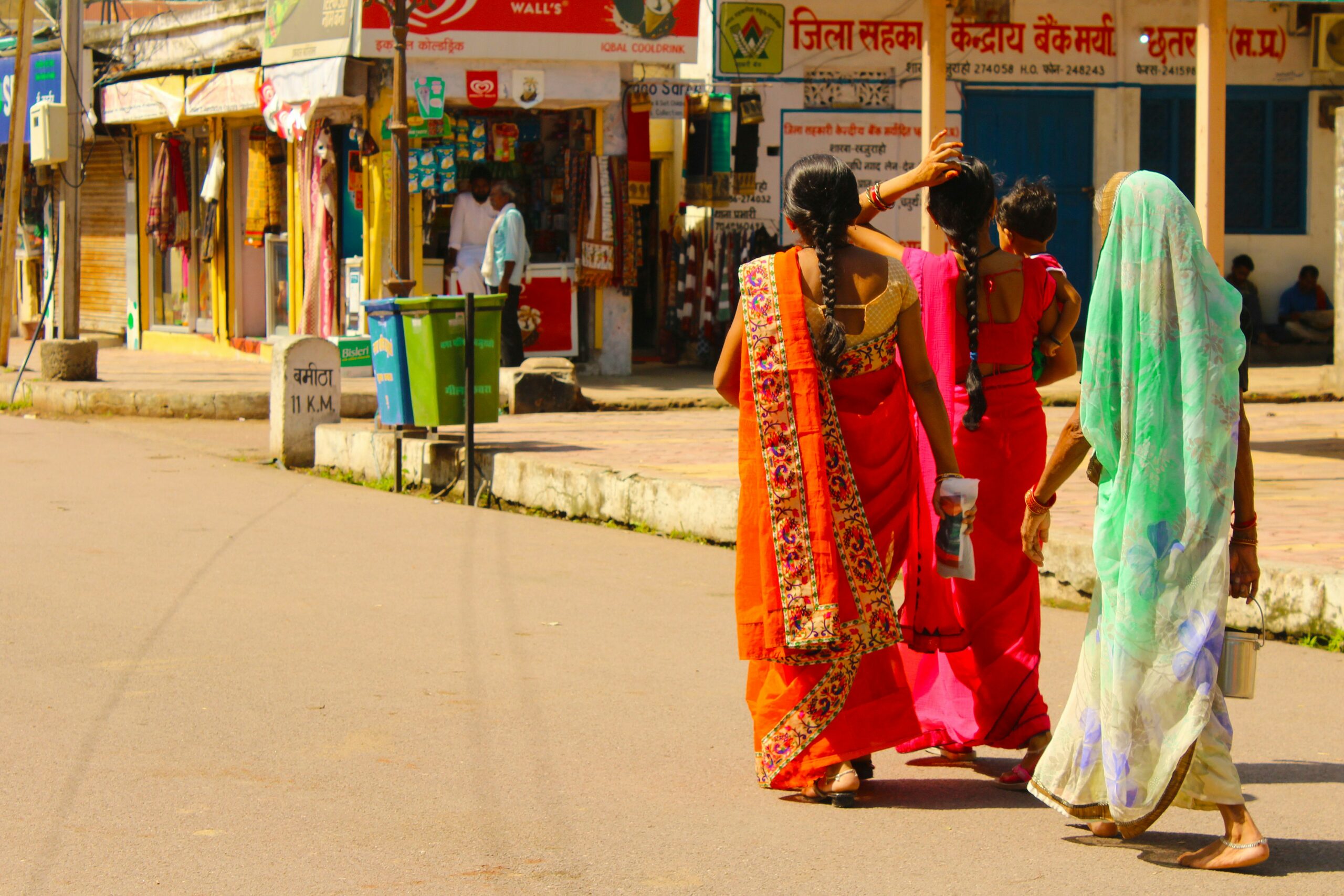
Who is affected by VAWG?
- 83% of developmentally disabled adult women have been sexually assaulted.*
- Domestic violence kills pregnant women more than any other cause, with 20% of pregnant women experiencing violence during pregnancy.**
- Older women and widows experience violence at a greater frequency than their male counterparts.***
Women and girls are at risk of gender-based violence (GBV) in every context and at all stages of their lives. Violence against women and girls can happen to any woman or girl, regardless of nationality, race, class or ethnicity. However, women of lower socioeconomic status or education level tend to have more difficulty accessing resources when faced with violence.
In some contexts, girls face violence even before they’re born through sex selective abortion.
When a crisis occurs, these risks increase. Women and girls who are separated from their families or have experienced losses or displacement are at a higher risk of human trafficking. In both developed and less developed economies, older women are more likely than their male counterparts to live in poverty, which increases their vulnerability to violence and limits their ability to leave an abusive partner or household.
Approximately 50 countries have nationality laws that contain gender-discriminatory provisions, meaning that women do not count as citizens in the same way as men. This often leads to many women being stateless, even in the countries where they were born.
At the 2023 UN General Assembly, Reem Alsalem, special rapporteur on violence against women and girls for the UN, said that these discriminatory laws “are tantamount to violence against women, as they constitute severe forms of discrimination against women and girls.” This can become a challenge in disasters when individuals are displaced internally, and especially when they face external displacement to another country.
Where does VAWG occur?
- As of 2012, approximately 60 million girls were sexually assaulted on their way to or while at school. In many places, this translates to a higher probability for a girl to experience sexual violence than to become literate. *
- After Hurricane Maria hit Puerto Rico in 2017, requests for GBV support services increased by 62% and the number of women killed by an intimate partner doubled.**
- 68% of a population-based sample of women and girls from 15 villages in the Democratic Republic of Congo had experienced physical, sexual or psychological IPV in the previous 12 months. ***
VAWG can occur anywhere. It is a global problem and is not specific to any culture or context. Women and girls experience violence at home, school, the workplace, the community and online, all over the world.
Online, girls face exposure to violent pornography, deepfake abuse and misogynistic content. A network of online communities promoting misogynistic norms has become more mainstream, influencing a generation of boys that VAWG is acceptable both online and offline. Violence against girls by boys in school nearly doubled between 2017 and 2019 in the UK. Like other forms of violence, digital violence also worsens during a crisis.
Girls in social care and the criminal justice system are among the most vulnerable to all forms of abuse, often having experienced prior abuse. Public spaces, including transportation, are also sites of risk.
In conflict and humanitarian settings, intimate partner violence is even more prevalent than non-partner sexual violence (although sexual violence is rapidly becoming a pervasive strategy in armed conflict).
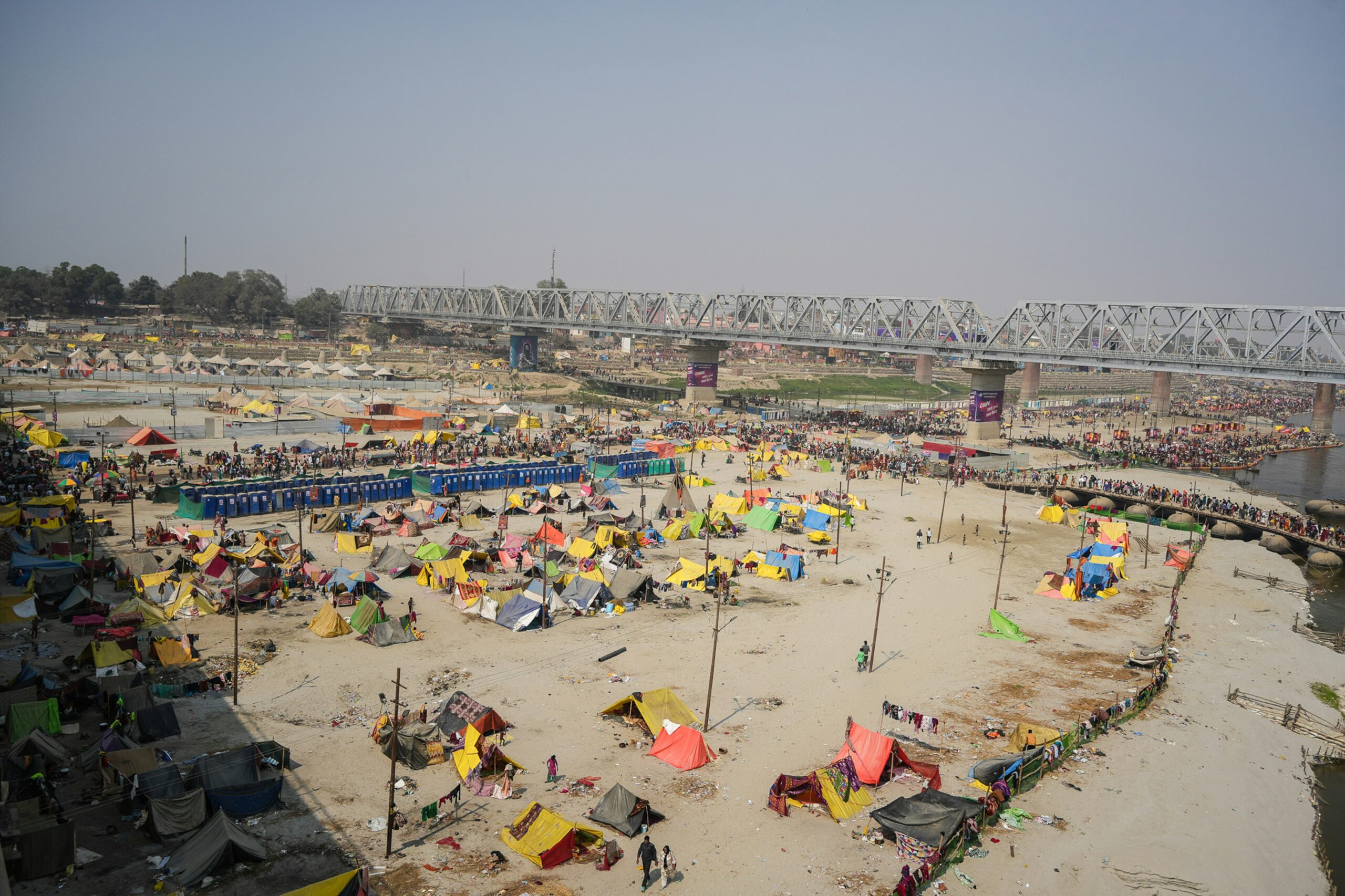
When does VAWG occur?
- There is a 28% increase in femicide during heat waves.*
- One in 10 cases of IPV will be linked to climate change by the end of the century. **
- 70% of women in humanitarian crises experience GBV compared with 35% worldwide.***
VAWG can happen at any time, but specific environmental stressors can exacerbate its severity. Climate change and severe weather events worsen VAWG. During a crisis or after a disaster, for example, families might resort to consenting to child marriage to secure a dowry for the family’s survival. An International Rescue Committee study on Bangladesh found that after climate disasters, there is a 39% surge in child marriage.
When resources are scarce, girls, who are often tasked with finding water or wood, may have to travel further from home to find them, risking their own safety as they travel alone and in the dark.
During and immediately after Hurricane Katrina, there was a 45% increase in reports of sexual assault.
Additionally, women and girls in conflict and crisis often bear the brunt of hardship because sexual violence is often used as a weapon of war. Women and girls face abduction, child marriage, forced marriage, torture, exploitation and trafficking, as well as a surge in IPV and sexual assault during times of war and other crises.
Women and children in evacuation centers and displacement camps during crises are at heightened risk of GBV.

- 90% of women and girls who migrate along the Mediterranean route are raped.*
- 80% of those displaced by climate change are women.**
- 55% of forcibly displaced women in Liberia experienced IPV. ***
What causes VAWG?
- VAWG is deeply rooted in the patriarchal idea that men have legitimate and justified power over women and girls. Violence becomes legitimized to ensure the dominance of men and subservience of women, which is often codified in a religious or cultural system.*
- Substance abuse, poverty, stress and childhood experiences with abuse are all factors that can increase the likelihood of VAWG occurring.
- Lack of legal protections for women and children, or the failure to enforce those that exist, tacitly enforces the acceptability of VAWG.**
VAWG cannot be resolved without female representation at the top levels of government. However, women only account for 26% of parliamentary roles in government globally. And, according to UN Women, 82% of these women reported some form of psychological violence during their terms, including acts of sexism, sexual harassment, and threats of death, rape, assault, and abduction.
While women’s leadership, women-led organizations and women’s rights movements to mitigate GBV are crucial, it’s men and boys who perpetrate up to 99% of all cases of reported sexual violence against women and girls. GBV, including male violence against other men and boys, will never end if we do not work to change the idea that violence is an acceptable way to show strength.
How can funders help?
VAWG is a multi-pronged problem, which means there are many avenues funders can take to help solve it; from creating safe spaces and protection services for women in crisis, to funding interventions that prevent perpetration before it happens, to educating boys and girls on healthy relationships, to advocating for the election of female leaders, and more.
- Don’t be afraid to talk about this issue! It is easy to look away from VAWG, but change cannot happen without substantial investment in this issue and advocacy for the equality of women and girls.
- Fund VAWG as an outcome in and of itself. Often, this problem is only considered in relation to health or education outcomes. Preventing or responding to violence is an outcome in and of itself.
- Fund solutions that are holistic and long-term. Survivors often require comprehensive wraparound services; the healing journey is multifaceted and unique for each individual. Be willing to fund a variety of things.
- Be survivor-centered. Fund localization, feminist networks, feminist or women-led organizations and women-focused groups.
Learn more
Sources
Overview
- * UN Women
What is VAWG?
Who is affected by VAWG?
- * Cal Poly Humboldt
- ** ABC News
- *** World Bank
Where does VAWG occur?
When does VAWG occur?
Impact Highlight
What causes VAWG?
We welcome the republication of our content. Please credit the Center for Disaster Philanthropy.
(Photo by Forest Plum on Unsplash)