

El Niño
El Niño is a natural climate phenomenon that occurs every two to seven years, when ocean surface temperatures in the central and eastern tropical Pacific become unusually warm. In 2026 and 2027, forecasters are bracing for a Super El Niño that could become the strongest on record, driving global temperatures and weather extremes to new highs.
What is an El Niño?
- El Niño develops when water in the eastern Pacific Ocean warms up around the equator.*
- El Niño shifts weather patterns around the world.**
- El Niño typically brings warmer, drier weather to the northern United States and wetter conditions to the south.
Under normal conditions, easterly trade winds push warmer water towards Asia, allowing cooler water to flow up the Pacific side of the South American coast. In an El Niño year, these winds are weaker or even reverse, and unusually warmer water drifts up the coast instead. The water releases heat, redistributing warmth from the ocean to the atmosphere, and shifting weather patterns around the world.
El Niño occurs when water surface temperatures warm by 0.5 degrees Celsius or more. The 2026-2027 Super El Niño is projected to raise the temperature of ocean water by more than 4.0 degrees Celsius. When the water warms up by more than two degrees Celsius, it qualifies as a “very strong” El Niño.
The warmth in the atmosphere provides a lot of energy that fuels storms. El Niño tends to increase temperatures globally and shift rainfall patterns, putting some regions at risk of destructive flooding and others at risk of droughts and wildfires. These events can decrease food production, worsening food insecurity.
Professor Friederike Otto, a climatologist at Imperial College London, told the Guardian, “The [current El Niño] event is a huge redistribution of energy in the climate system and is dangerous, because it is unfolding on top of a much warmer, human-influenced climate system.”
He continued “…so, in many places around the world we will see never-before-experienced heat extremes, with all their consequences on health, food security and water stress. El Niño comes and goes, but as long as we continue to burn fossil fuels, it occurs on an increasingly hotter baseline, making it much more difficult for communities to deal with the consequences.”
When does El Niño occur?
- El Niño occurs every two to seven years.*
- The 2026 – 2027 Super El Niño officially began on June 2, 2026.**
- The current super El Niño is expected to persist through February–March 2027.***
El Niño is a natural oscillation in the climate pattern, called the El Niño Southern Oscillation (ENSO), lasting between nine and twelve months. After El Niño, the climate pattern can shift into a neutral state or into the opposite state called La Niña, when trade winds are stronger than normal and push warm water towards Asia.
Where does El Niño occur?
- The Super El Niño will affect weather patterns globally.*
- El Niño contributes to active Pacific Hurricane seasons. **
- The 2026-2027 Super El Niño is projected to cause the hottest year ever recorded globally.***
In East Africa, wetter conditions and above-average temperatures are anticipated during the rainy season from September to December. However, forecasters note that the Greater Horn of Africa may experience below-normal rainfall, leading to drought, despite the broader wet signal for the region. Heavy rains elsewhere increase the risk of flash flooding, landslides, infrastructure and crop damage, and water and vector-borne disease outbreaks, while also potentially replenishing water supplies and pasture after dry spells. Nigeria is projected to face the highest number of excess deaths globally due to extreme heat in 2026-2027.
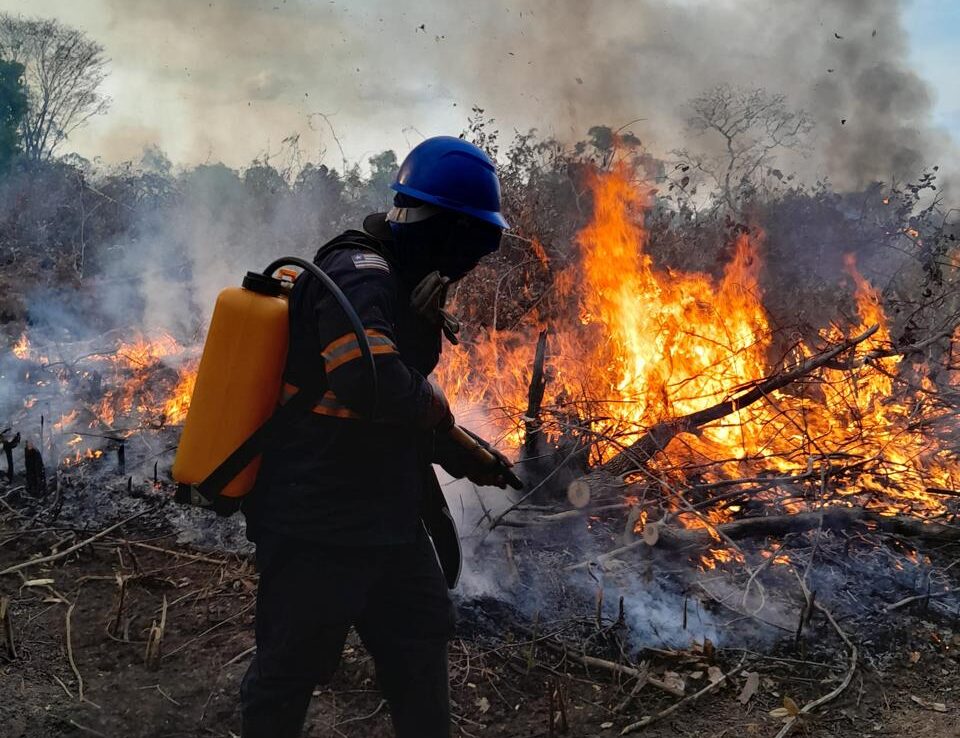
In the Amazon region, El Niño tends to bring higher temperatures and lower humidity, creating ideal conditions for wildfires to become more intense, widespread and harder to control. Severe drought is also predicted. The Amazon is still recovering from the 2023–2024 El Niño, which fueled the worst wildfires in two decades and contributed to one of the most severe droughts ever recorded in the region.
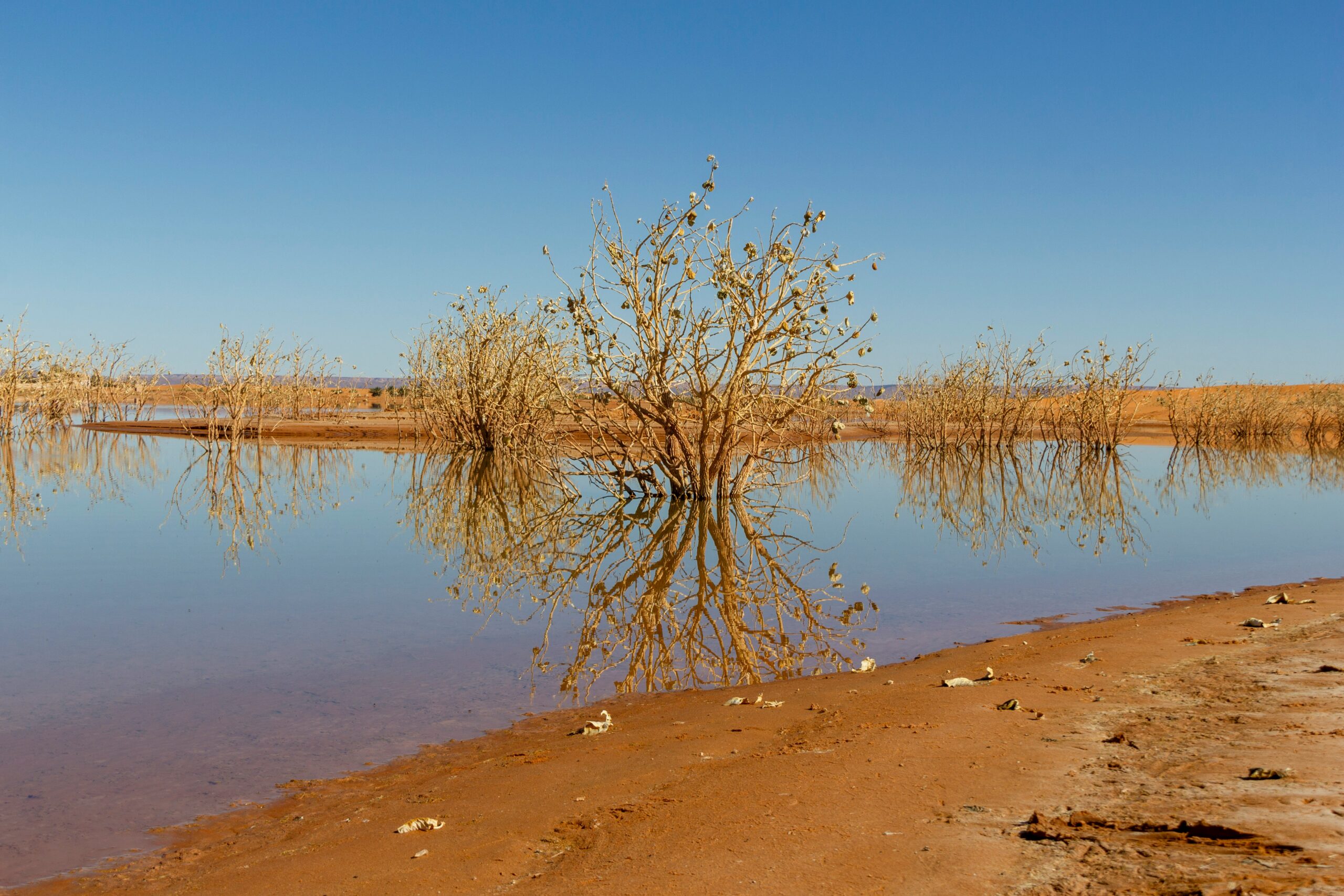
Southeast Asia tends to experience drought during El Niño, with hot, dry weather and below-average rainfall. In East Asia, typhoon risk is higher, with possible shifts in storm tracks and intensity.
In the United States, a stronger El Niño typically pushes the jet stream and funnels moisture into the South, producing more rain and snow there and in the West. California could see between six and eight atmospheric rivers that cause major flooding, but El Niño can lead to fewer hurricanes in the Atlantic Ocean, while the Pacific Hurricane season is forecast to be unusually active. In the winter, El Niño tends to bring warmer temperatures and reduce snowfall in the North, which means less snowpack to melt in the spring, setting up the region for drought. Drought conditions often lead to increased wildfire frequency and intensity.
Who is affected by Super El Niño?
- People already in crisis around the world will face the greatest burden.*
- Food insecurity, displacement and conflict are predicted to worsen.
- Heat is projected to cause 451,000 excess deaths.**
The 2026-2027 El Niño will complicate existing global displacement, conflict and food insecurity, raising the risk of repeated displacement among already-vulnerable populations. Beyond hunger and displacement, El Niño is also linked to rising household debt and disrupted water access. Affected communities incur livelihood losses and diminished access to natural resources, and are likely to face increased competition over scarce resources, contributing to heightened inter- and intra- community conflict and protection risks. As a result, women, girls and children will be disproportionately affected. Increased drought forces women and girls to travel further in search of water, making them more vulnerable to protection risks and gender-based violence. Increased flooding means greater displacement and health risks for older people, people living with disabilities and children. In East and Southern Africa, famine risk is projected to be high.
In the United States, those living in poverty, older adults, people with disabilities, children and pregnant women will bear the greatest burdens from increased wildfire smoke, power outages, flooding and more.


- 50 million people are expected to face acute hunger.*
- 70% chance of this El Niño exceeding all others recorded since 1950.**
- 144 economies may face USD $451 billion in collective losses.***
How can funders help?
- Expect multiple crises at once.
- Prepare for an agriculture and food security crisis.
- Support recovery through 12-24 months and beyond.
Philanthropy can work with grantee partners to fund preparedness and anticipatory action months before disaster strikes, including by supporting local organizations that can pre-position supplies in geographical hot spots.
Organizations such as the International Rescue Committee are specifically calling for anticipatory funding before El Niño-related flooding and drought reach their peak.
Funders should prepare for many interconnected crises rather than a single disaster or series of disasters, given that the impacts from El Niño ripple across food systems, water systems, livelihoods, ecosystems and public health.
Additionally, it’s important to increase unrestricted, flexible and ongoing funding for local organizations. Local responders know what they need right now and need room to pivot as forecasts change and disasters develop.
Many recovery challenges emerge months after media attention has disappeared, but less attention does not equal less need. Investment in long-term recovery and preparedness for the next disaster will be especially critical during the 2026-2027 Super El Niño.
Community preparedness is key: Invest in local leadership.
Learn more
Additional resources
Sources
Call-out Stat:
***Allianz
What is a Super El Niño ?
** National Oceanic and Atmospheric Administration
When does El Niño occur?
*National Oceanic and Atmospheric Administration
** World Meteorological Association
***El Niño 2026: Status, Timeline & Forecast — El Niño 2026 Tracker
Who is affected by Super El Niño ?
**University of Chicago Institute for Climate Sustainability and Growth
Where is El Niño occurring?
*World Meteorological Association
**NPR
***The Guardian