
LGBTQIA+ Communities and Disasters
Before a disaster strikes, the LGBTQIA+ community faces higher than average rates of poverty, a pronounced lack of access to social services and exclusion from health care. During and after a disaster, these vulnerabilities multiply if policymakers and relief organizations fail to intentionally include LGBTQIA+ people in disaster planning.
What puts LGBTQIA+ people at risk?
Before a disaster:
- LGBTQIA+ youth are 120% more likely to experience homelessness than their straight, cisgender peers in the U.S.*
- Since 2019, 75% of countries have passed anti-LGBTQIA+ laws.**
- LGBTQIA+ people are punished with the death penalty in 12 countries. ***
Vulnerabilities that exist before a disaster are often exacerbated after a disaster. LGBTQIA+ people face exclusion from many social safety nets in the U.S. and abroad, with limited access to safe housing in shelters or appropriate health care. They face discrimination in housing, the workplace and school, as well as higher rates of sex trafficking compared to their straight, cisgender peers.
The inaccessibility of safe and affirming housing and support systems in the U.S. forces at least 28% of homeless LGBTQIA+ youth into survival sex in exchange for basic needs. Additionally, geographic clustering of queer populations in disaster-prone areas increases their vulnerability.

- 31 million U.S. adults identify as LGBTQIA+*
- 64 countries criminalize LBGTQIA+ people**
- 40% of homeless youth in the United States are LGBTQIA+***
During a disaster:
- Evacuation centers and camps may discriminate against LGBTQIA+ couples, forcing family separation.*
- Shelters tend to be divided by biological sex, excluding people identifying as transgender, queer or intersex.**
- Access to gender-affirming health care or HIV care in shelters may be nonexistent.***
During a disaster, LGBTQIA+ people may lack access to bathroom or shower facilities in emergency shelters that align with their gender, or they may be excluded from shelters based on their sex at birth. Shelters may not formally recognize LGBTQIA+ families, and they can be separated. Harassment and violence perpetrated against LGBTQIA+ people are common in congregant living situations. Gender-based violence is particularly prevalent against trans women in these settings.
LGBTQIA+ people may face discrimination and exclusion from emergency responders. Additional prejudice against race, class, disability, health status and gender expression can make safety even more elusive.
After a disaster:
- LGBTQIA+ people are more likely to engage in survival sex after disaster.*
- Some governments and organizations blame LGBTQ+ people for “causing” the disaster, making this population unable to access aid or distrustful of groups that provide it.**
- Fear and distrust of aid groups deter LGBTQIA+ people from seeking help.***
In the U.S., accessing aid after a disaster often requires verification of identity. However, LGBTQIA+ people can face major barriers to aid if their official documents do not match their gender identity. Additionally, if LGBTQIA+ families are not legally recognized, they may not be entitled to disaster recovery reimbursements or other benefits in the recovery period.
Globally, LGBTQIA+ without legal rights to official recognition of their identities are routinely excluded from critical support after a disaster, reinforcing cycles of marginalization.
The 19th
LGBTQIA+ people are nearly twice as likely as the overall population to be displaced after a disaster.*
How can funders help?
- Fund community led groups that prioritize the needs of LGBTQIA+ people.
- Support inclusive emergency shelters and housing.
- Provide flexible, rapid response funding.
Only six countries in 2021 included LGBTQIA+ people in official policies related to disaster preparedness, response or recovery. Funders can advocate for LGBTQIA+ people to be included in policy decisions around disaster management.
Additionally, funders should support groups that already prioritize the needs of LGBTQIA+ people in disaster planning. Imagine Water Works is a grassroots mutual aid group in Louisiana that distributes supplies, creates storm-preparedness guides, and builds support networks for LGBTQIA+ residents during hurricane season in Louisiana. Providing unrestricted funding is a great way to support groups before, during or after a disaster.
Ultimately, worsening climate disasters, cuts to agencies like the National Oceanic and Atmospheric Administration (NOAA) and the National Weather Service as well as escalating anti-LGBTQIA+ policies, are making disaster recovery more difficult for LGBTQIA+ communities. Mutual-aid networks and community-led resilience efforts are increasingly critical lifelines for marginalized people as extreme weather intensifies and federal protections weaken.
Lastly, to combat the fear and distrust that interfere with access to disaster aid, funders can support organizations that are LGBTQIA-friendly and encourage others to incorporate language in their mission statements that openly welcome and intentionally include LGBTQIA+ people.
Learn more
Resources
- CDP blog post: June is a month for Pride and refugee awareness
- CDP impact story: Improving mental health and well-being in Ukraine
Sources
Before a disaster
During a disaster
After a disaster
Call-out Stats:
- *Advocate
- **Statista
- ***National Network for Youth
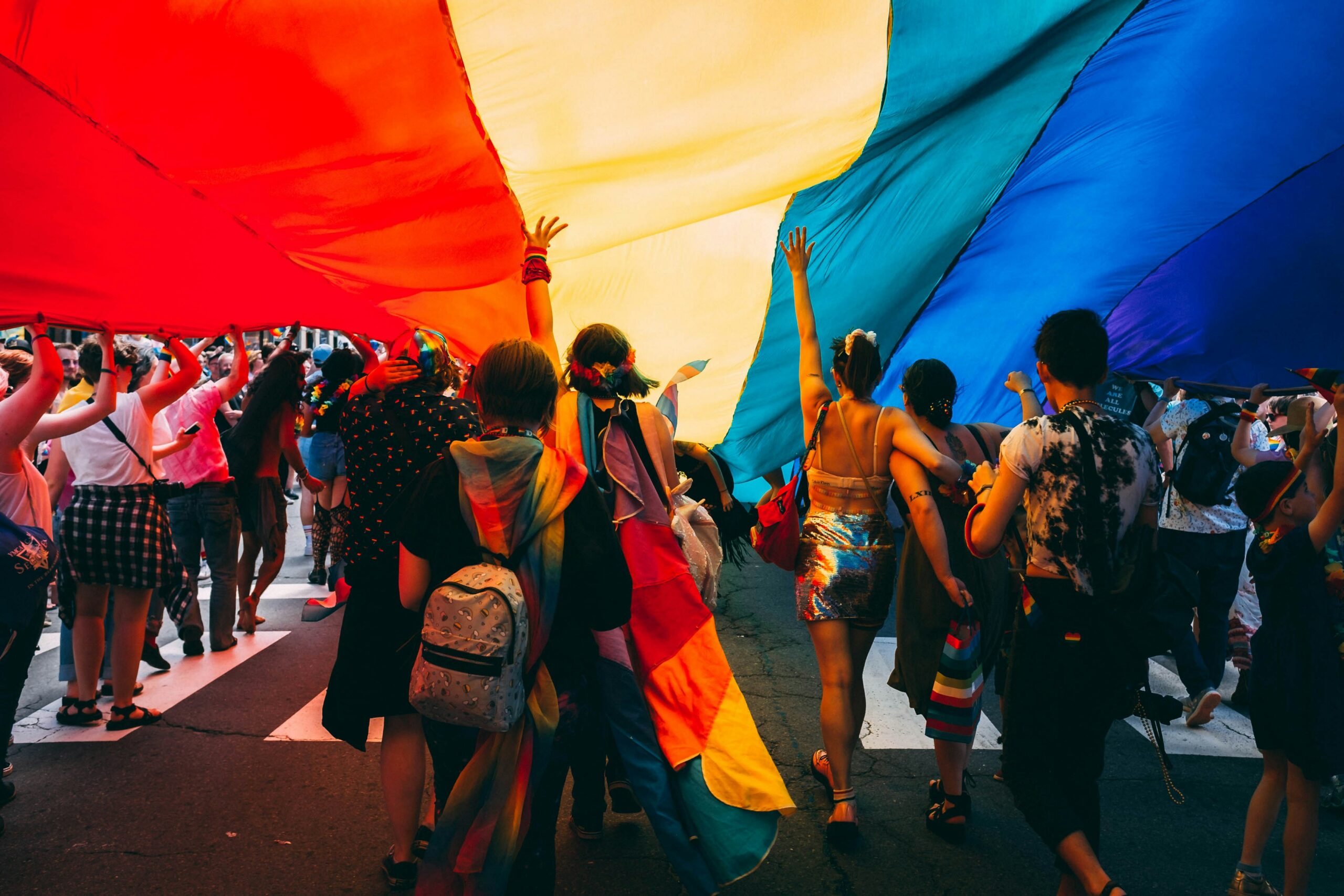
- Photo by Tong Su on Unsplash
Call-out Box:
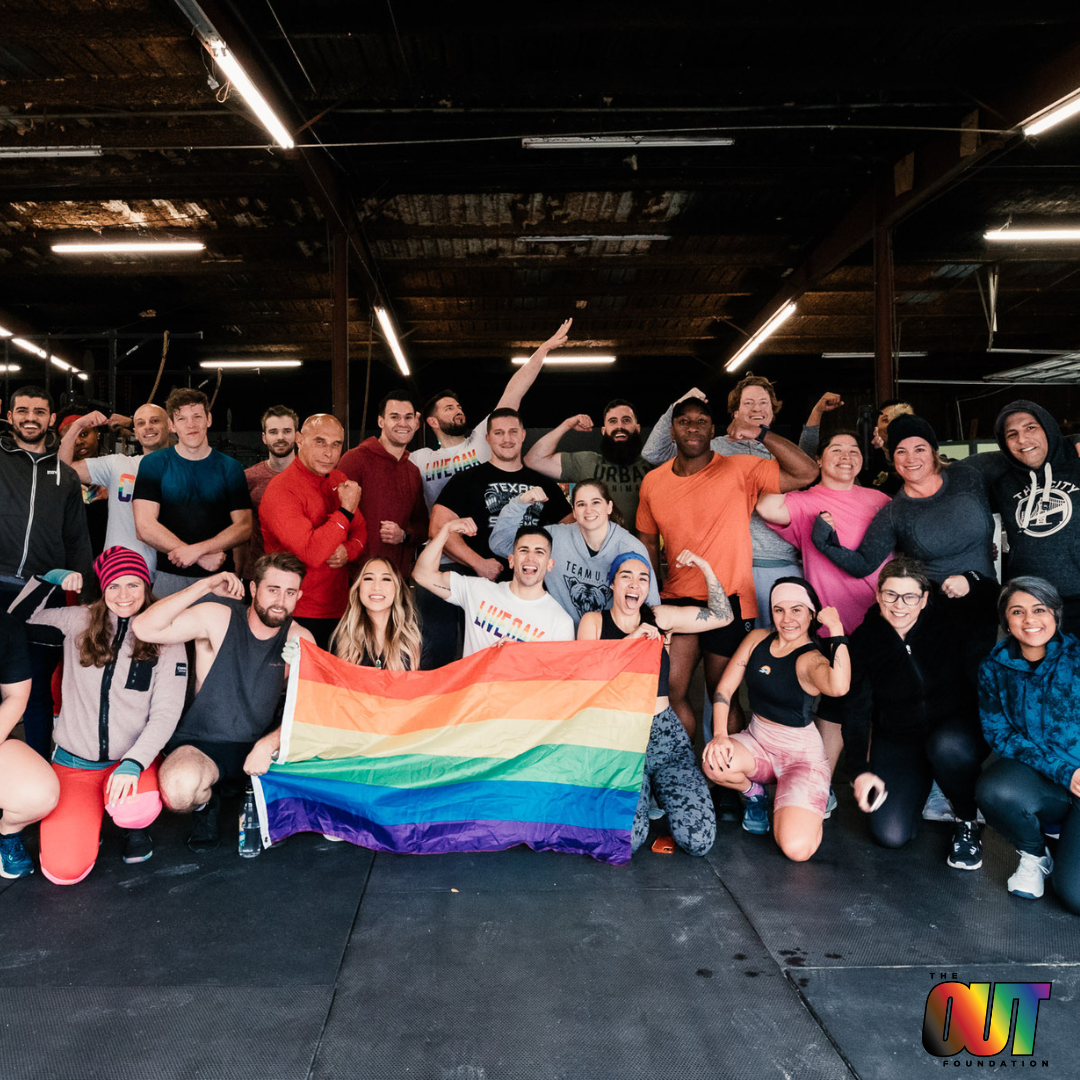
Featured image photo credit: The OUT Foundation
We welcome the republication of our content. Please credit the Center for Disaster Philanthropy.