
Refugees
Refugees are people who have been forced to cross borders to escape persecution, violence or disasters. All refugees are displaced people, but not all displaced people are refugees. Internally displaced people (IDPs) are those who have been forced from their homes but have not crossed an international border. Refugees often live in displacement camps or under-served communities in their host countries, and are subject to specific risks before, during and after disasters.
What makes refugees at-risk?
Before a disaster:
- Unsafe living conditions.
- Climate and environmental pressures.
- Lack of inclusive planning.
According to UNHCR, “The majority of people forcibly displaced by persecution, conflict and violence today live in countries that are highly vulnerable and ill-prepared to adapt to climate change.”
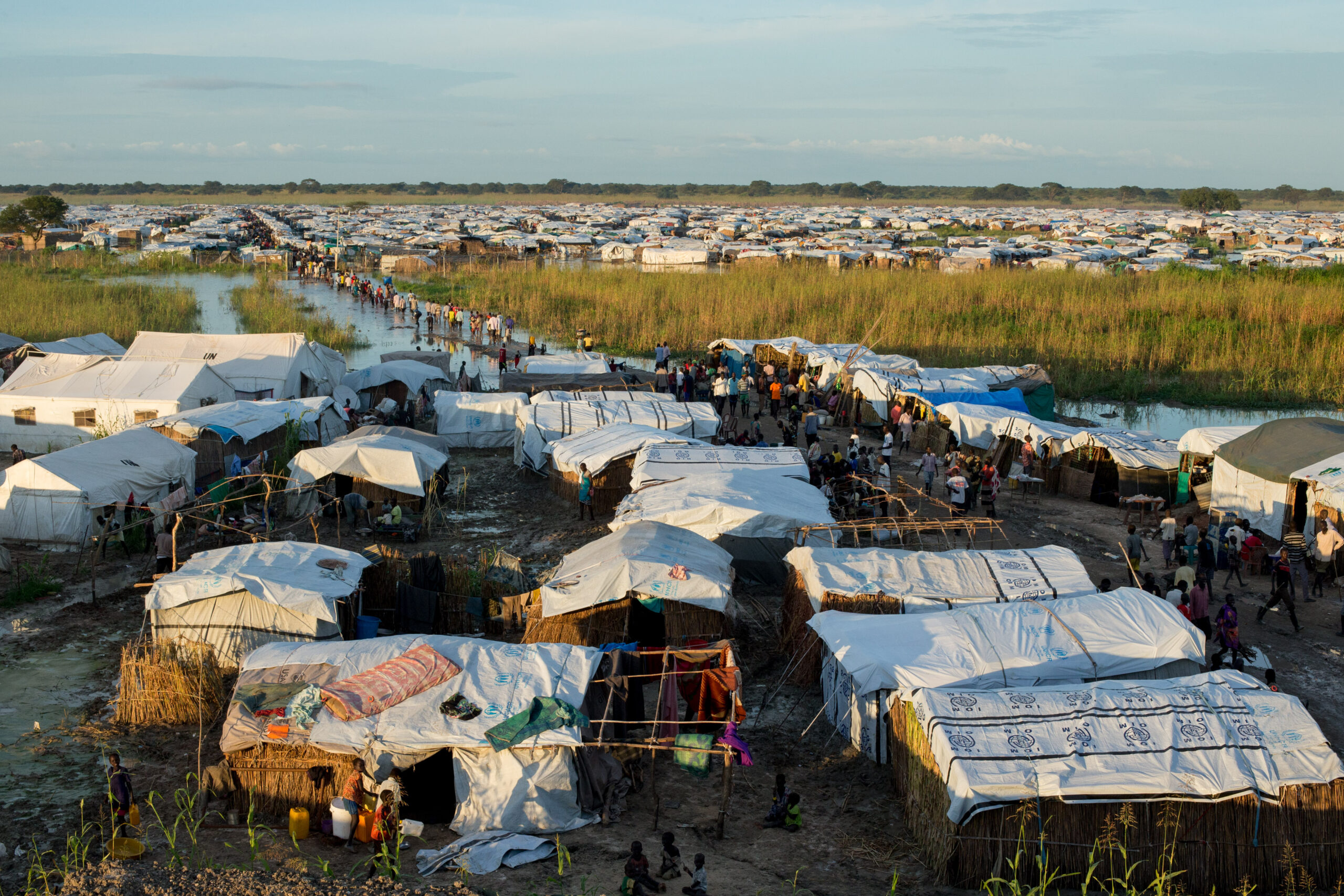
After losing their property and livelihoods, many refugees are forced to live in overcrowded camps, informal settlements or poorly built housing located in hazard-prone areas like floodplains, steep hillsides or drought-affected regions. Refugee settlements are increasingly located in areas vulnerable to climate-related hazards such as extreme heat, storms, flooding or water shortages. Refugees may not receive disaster warnings or preparedness information in languages they understand, making evacuation and safety planning more difficult.
Additionally, refugees are sometimes excluded from local disaster preparedness and response planning, so their specific needs may not be considered ahead of time. Often, the needs of refugees with disabilities or chronic illness are not surveyed before they arrive at camps, and specialized health care and resources are not available upon their arrival.
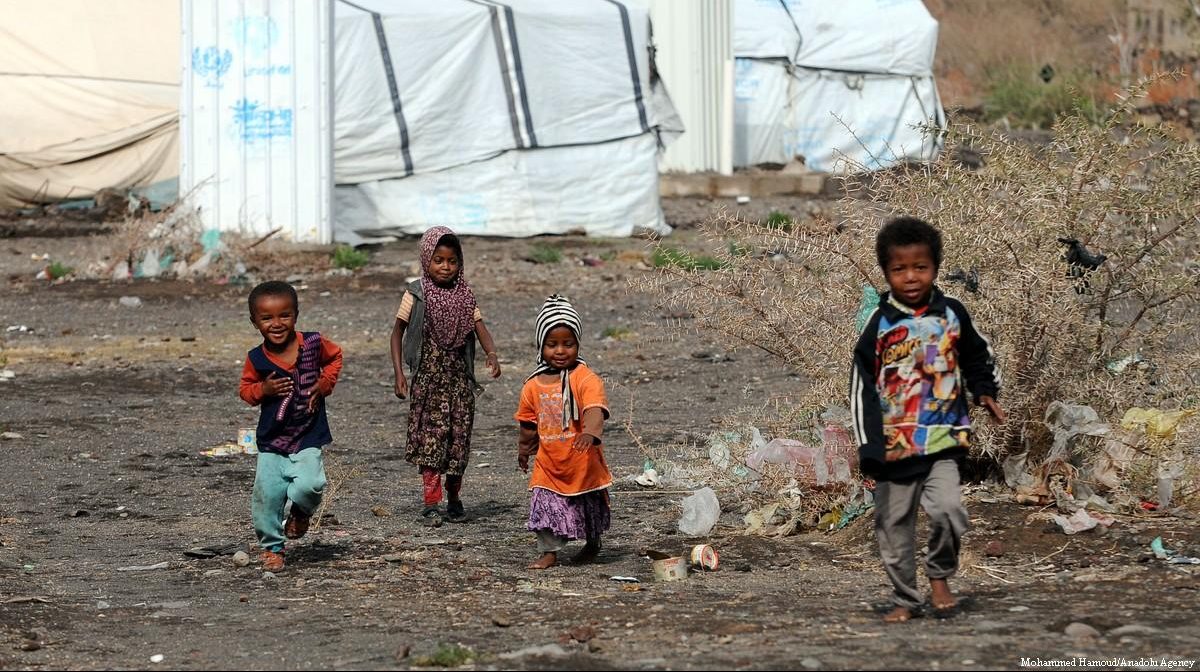

- 41.6 million people worldwide are refugees.*
- 1 in every 70 people on earth is forcibly displaced.
- 7 in 10 refugees are from just six countries.
During a disaster:
- Weak access to health care and sanitation.
- Social isolation and discrimination.
- Dependence on aid systems.
In displacement camps, inadequate medical care, clean water and sanitation increase the risk of infectious disease outbreaks and poor health outcomes during disasters. Obstetric care and treatment for chronic conditions (such as diabetes) can be disrupted, worsening morbidity and mortality rates for refugees.
During a disaster, refugees may face increased discrimination from their host communities, especially if resources are scarce. This can isolate displaced people from support networks or emergency assistance. Additionally, refugee communities often rely on humanitarian aid. If aid systems are disrupted during a disaster, essential supplies and services may quickly become unavailable. For example, floods frequently limit access to safe drinking water and sanitation services in refugee camps.
As with any disaster, marginalized populations face the greatest risk before, during and after an emergency. During a disaster, women and girls are less likely to survive due to caregiving responsibilities, unequal access to resources, mobility constraints and social norms that can limit evacuation options. They also face a heightened risk of gender-based violence. Refugees living with disabilities may not have the mobility or resources to evacuate and are often left behind in emergencies. The exposure to risk during a disaster is especially high in displacement camps.
After a disaster:
- Previous trauma and conflict exposure.
- Limited legal status and rights.
- Poverty and limited resources.
Many refugees have already experienced war, violence, displacement or loss. This can negatively affect mental health and make it more difficult to adapt when another crisis occurs, especially for refugees who have become disabled due to violence. Post Traumatic Stress Disorder (PTSD) is a real concern for people experiencing overlapping traumas, and it can further overwhelm those adjusting to a new host culture. However, refugees often find creative ways to adapt and rebuild their lives, especially when they have access to the support they need to thrive.
Some refugees lack official documentation or legal protections, which can restrict access to health care, emergency aid, education, employment or government disaster services in the host country. Additionally, refugees often lack insurance, transportation and have limited financial resources. These constraints limit their ability to plan for or recover from disaster.
Barham Salih, UN High Commissioner for Refugees*
“For too many refugees, displacement starts as a lifeline but lasts a lifetime.”
How can funders help?
- Support refugee-led organizations.
- Fund resettlement needs.
- Support disaster relief in refugee communities.
Before a disaster, donors can fund organizations working to improve reception centers and refugee sponsorship programs. Investments to boost the internal capacity of host nations to handle refugee population flows are also vital.
After a disaster, funders can support international NGOs who work with refugees as well as local, refugee-led organizations working to provide food, WASH (water, sanitation and hygiene), shelter, basic household items, education and cash assistance.
Each year the U.S. admits a limited number of refugees, although this number has decreased recently. Funders can play an important role in helping them integrate into local communities. It is also important to fund education campaigns to strengthen public support for effective and humane refugee policies.
Give to the CDP Global Recovery Fund. This fund provides an efficient, flexible solution to expedite a donation to address long-term recovery in disasters or protracted humanitarian emergencies.
Learn more
Resources
We welcome the republication of our content. Please credit the Center for Disaster Philanthropy.
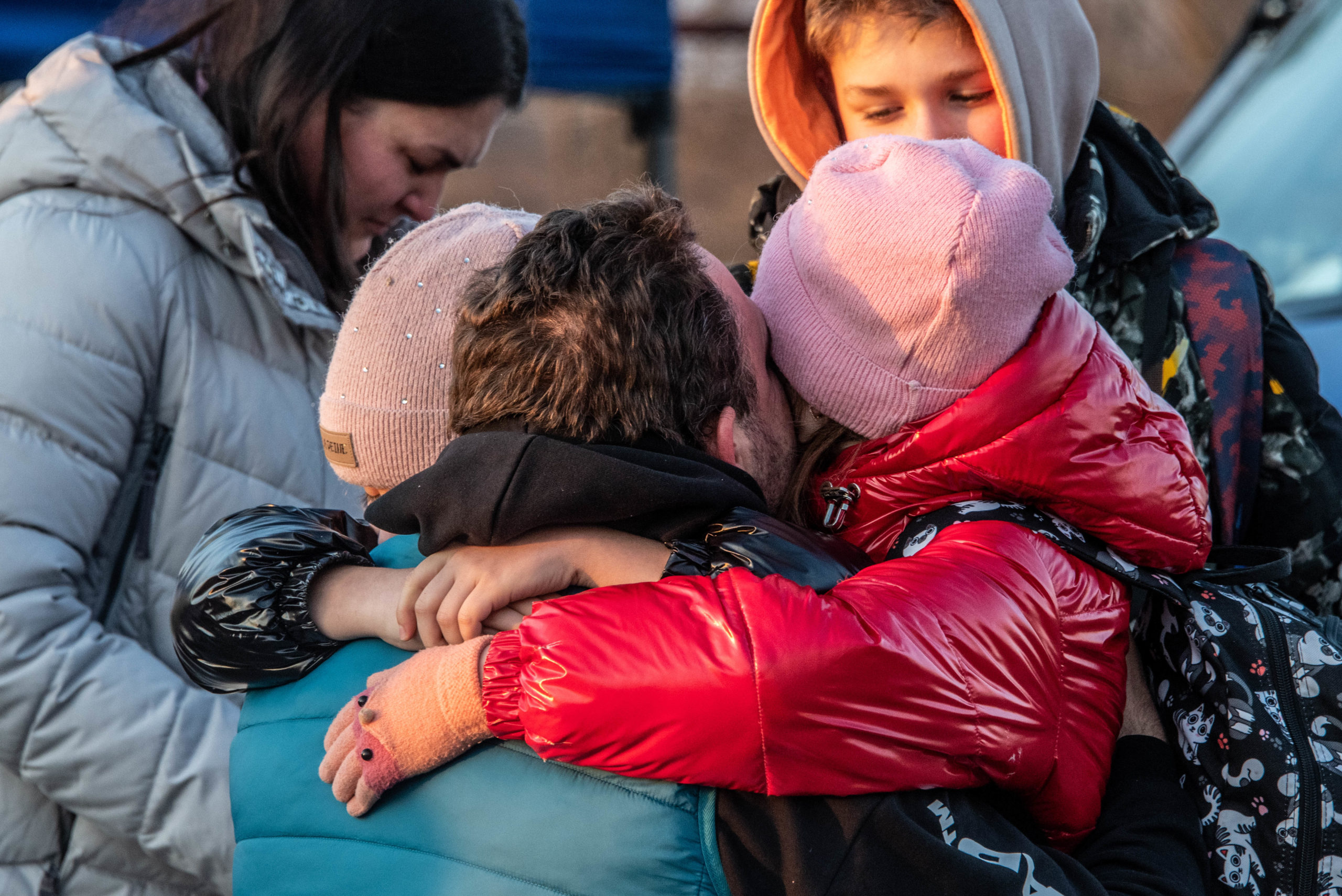
Photo credit: Refugees at Dorohusk in Poland fleeing from Russia’s invasion of Ukraine. (Photo by Tom Remp.)