Powering resilience in Western North Carolina after Hurricane Helene and beyond

Story by Taylor Chapman

“Footprint Project and the support of the Eco Flow battery system has helped turn my shed into a tiny home. A place that’s given more stability and new beginnings for my son and I, post-Helene. It’s been a journey with steps in the right direction toward understanding more about electricity and renewable resource solutions. We are so thankful!” said Bluu, a Footprint Project client.  
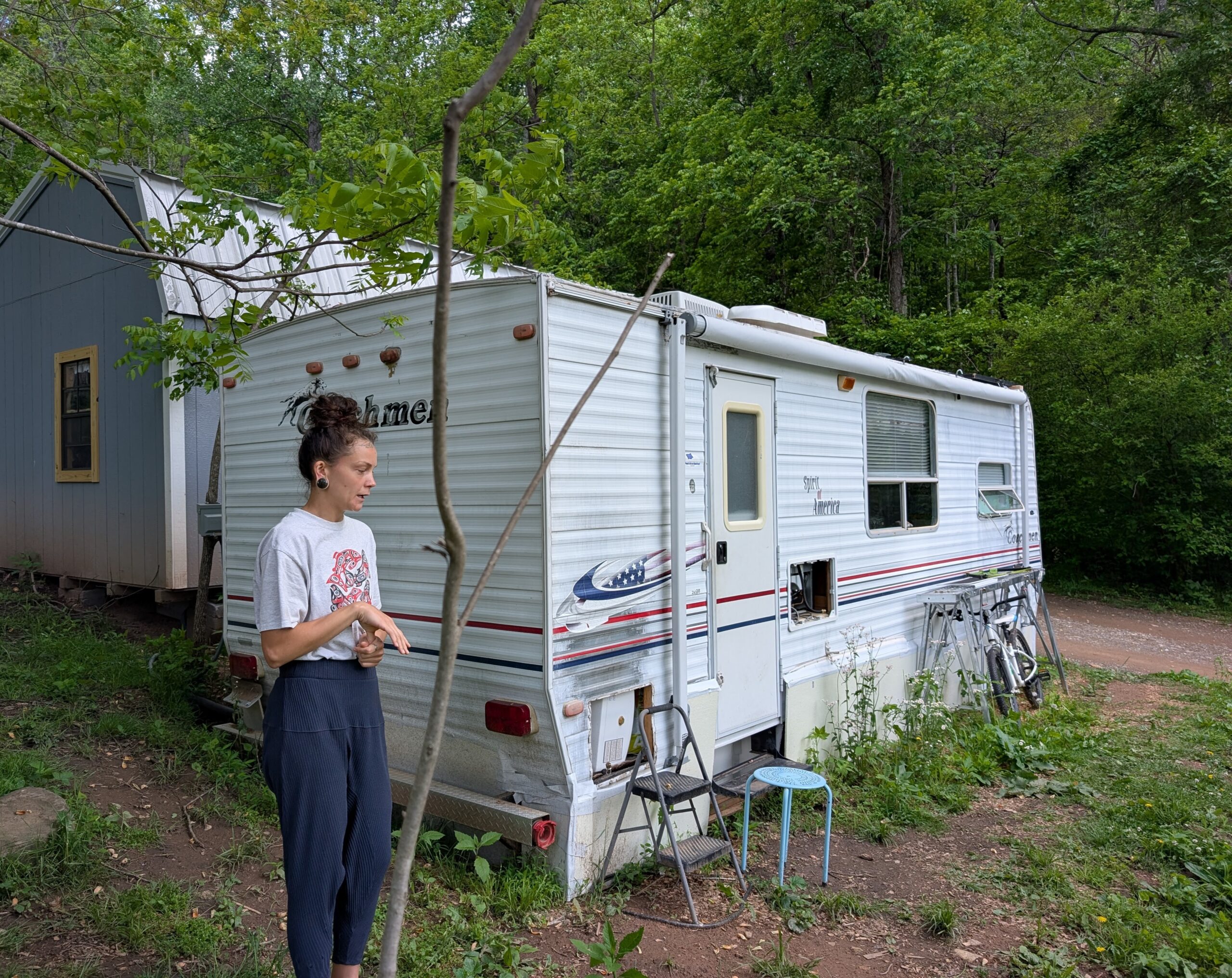
After Hurricane Helene, Bluu (shown) and her son were displaced into a shed and RV with unstable grid power. In May 2026, Footprint Project installed a solar generator, turning Bluu’s shed into a tiny home. (Photo credit: Jamie Trowbridge, Footprint Project)

Sustainable energy sources enable a community to better withstand and recover from disasters. Mere weeks after Hurricane Helene hit Western North Carolina (WNC) and extinguished electricity for more than 400,000 people in the state, light snow began to roll into the mountains. Many families, displaced by the hurricane because their homes were irreparably damaged, suddenly faced another urgent challenge: finding safe, warm places to stay. In several cases, the answer was so-called “temporary” housing, such as RVs and tiny homes. For many, these homes became permanent housing for years because of slow recovery and exorbitant rebuilding costs. 

While most of WNC’s electrical grid was restored within weeks, residents in more remote areas remained without access to “shore power,” or an electrical connection that allows their homes to draw power from an external grid. Instead, these families have only been able to access land without ready access to power or additional utility hookups on which to place their temporary homes.

This lack of necessary infrastructure can put recovery out of reach for people who are already struggling. Gasoline for generators can cost up to $900/month, often forcing people to go without basic necessities, such as heating and cooling, cooking and refrigeration, hot showers, or power for electronics, phones and medical devices.

Amid these challenges, Footprint Project, a nonprofit helping communities build back greener after climate disasters, is empowering community resilience in the face of extreme weather events by ensuring communities across WNC have access to the power they need to live safely and with dignity.  

With support from the Truist Foundation Western NC Recovery and Resiliency Fund, Footprint Project has so far supported eight households with the installation of winter-ready, solar-powered generator systems. The organization has also installed diesel heaters for four households, providing ​integrated ​heating support and energy sources that were not previously available. These energy improvements have helped make residents safer and more comfortable throughout the winter, while offering peace of mind amid the threat of extreme weather that can often retraumatize survivors. 

Cat Hebson, project manager at Footprint Project:

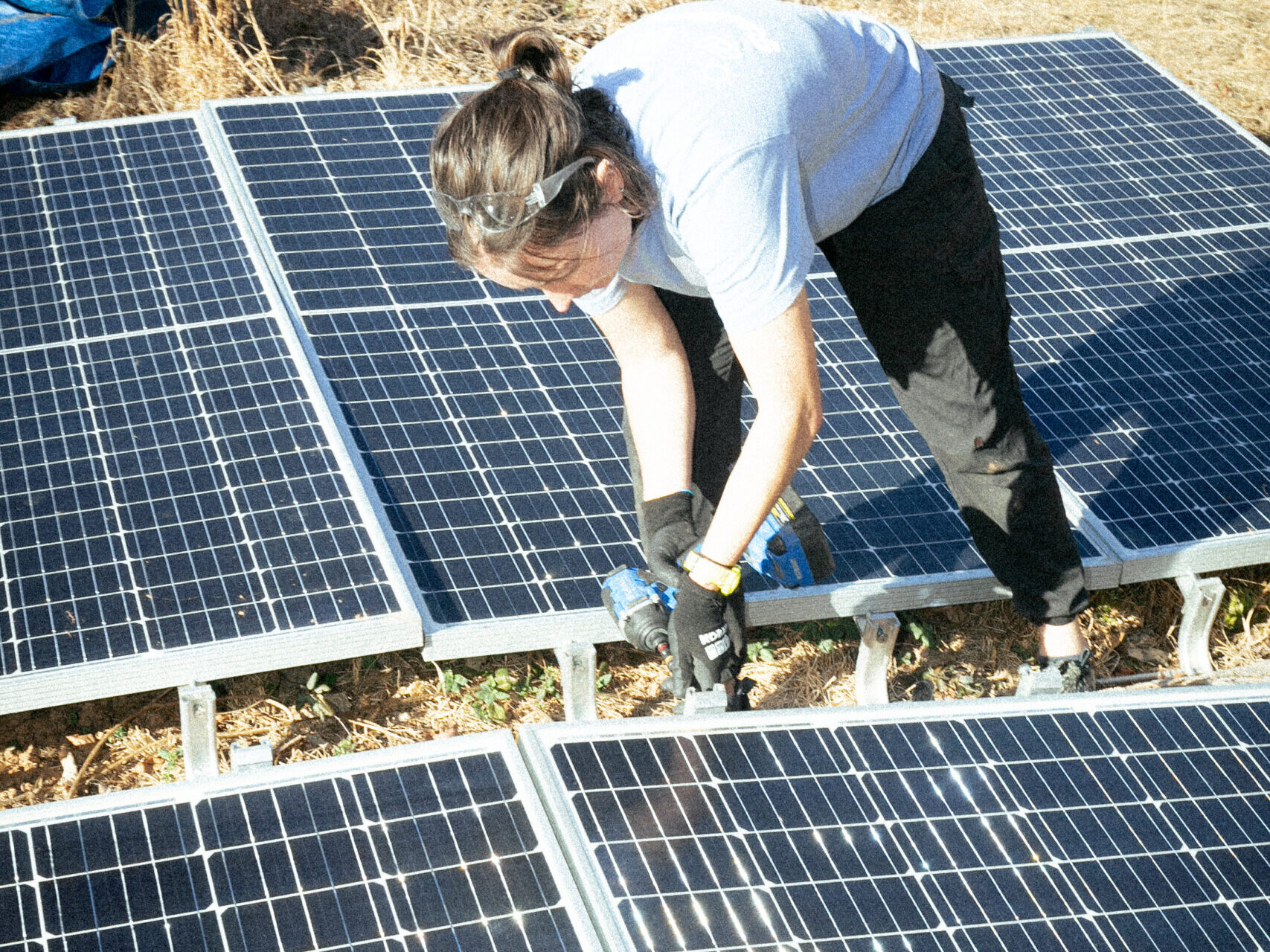
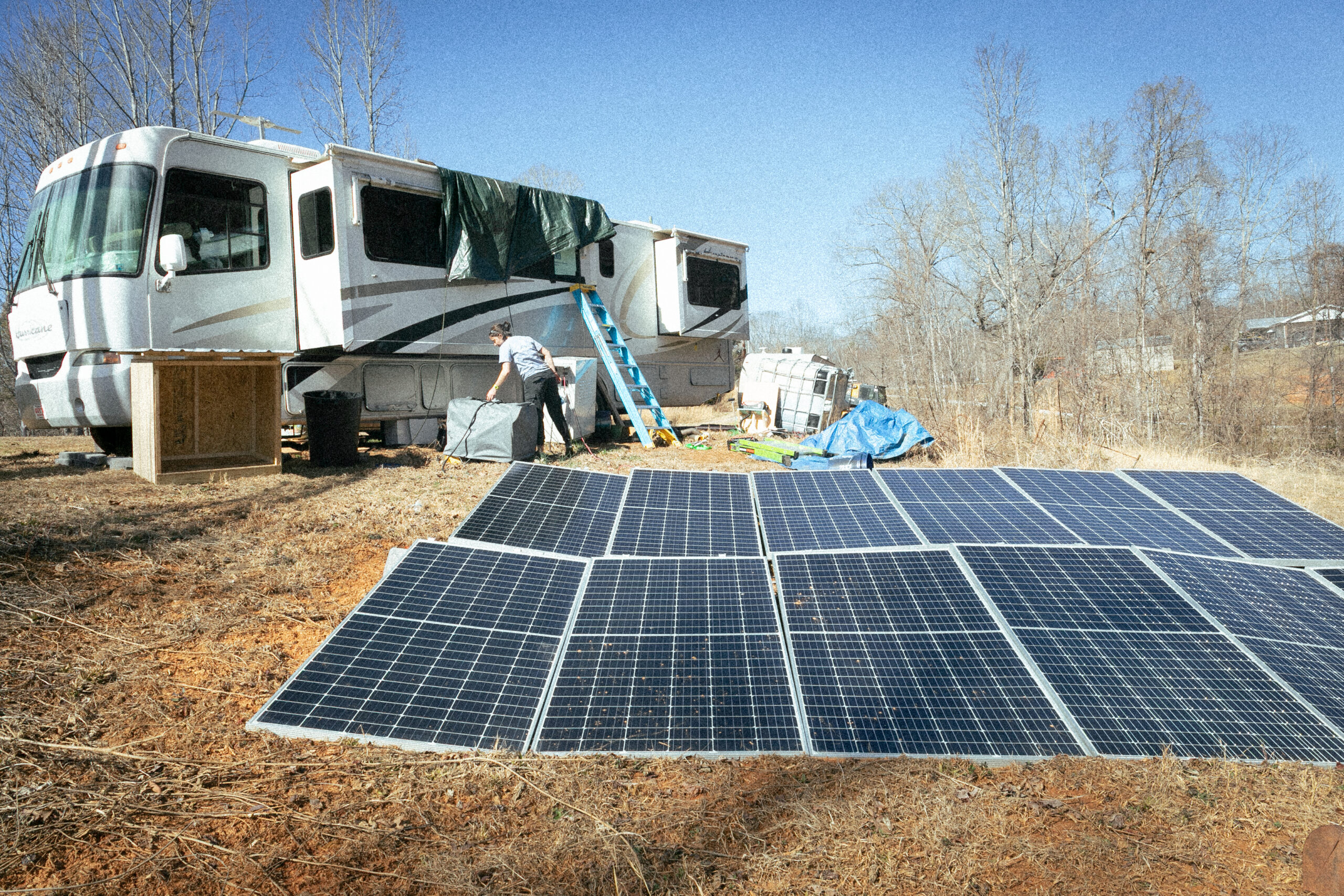
“...they get more power every time the sun rises. The reduction or elimination of generator noise and pollution is a great benefit to quality of life. Moreover, should another Helene hit, these families, already on the margins, will have resilient power through any crisis that may come."

Footprint Project staff member Cat Hebson sets up a semi-permanent solar generator to reduce gas generator costs for a Helene-displaced family. (Marion, NC, February 2026). Credit: Devin Williams, Communications Coordinator, Footprint Project

Footprint also used equipment purchased through the grant ​​​​​​to prepare key community partners for possible large-scale grid outages during Winter Storm Fern in January 2026. It deployed EcoFlow battery units and solar panels to the Black Mountain Fire Department, so they can operate as resiliency hubs if needed. 

Footprint Project’s work is important for communities because it acknowledges that without access to the power people need to recover after disasters, situations that are supposed to be temporary can become permanent. Even when the power grid is restored and functioning perfectly again after a disaster, many people still lack access to it. However, an absence of access does not equate to an absence of need. By providing people with functional, sustainable energy sources, Footprint Project’s work helps support stronger, more enduring communities after disasters.  

Footprint Project now prepares and trains communities for long-term resilience with solar power grids and generators, and the knowledge to make it work in times of crisis. The organization also deploys microgrids from central locations, operates a free warehouse with extra equipment available to the public and provides ongoing maintenance and technical support to help ensure long-term system functionality.
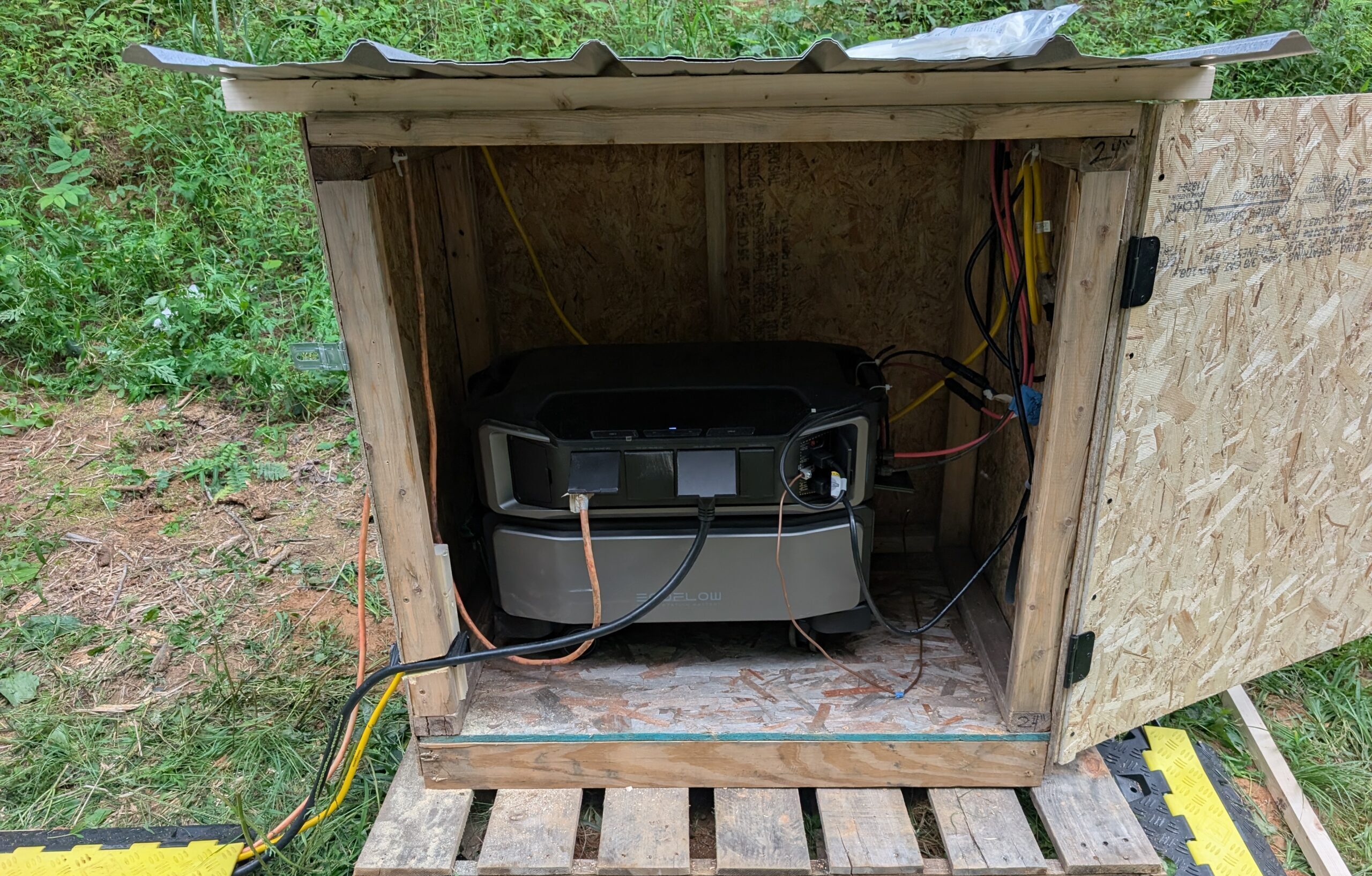
The Ecoflow portable power stations purchased through this grant, like the one pictured here, have heated batteries and a simple user interface. Photo credit: Jamie Trowbridge

“This program would not exist were it not for the support of Center for Disaster Philanthropy. The first winter after the storm, we began this program, but the solar generator equipment we had on hand was inadequate for the cold winters of North Carolina. We quickly learned we needed batteries that could heat themselves. The support of CDP allowed us to procure the appropriate technology and fund the staff time needed for this incredibly high-touch and labor-intensive work,” said Cat Hebson.  

CDP is proud to support Footprint Project’s efforts to support safer, more sustainable disaster recovery by ensuring communities have reliable power to meet their immediate needs and build long-term resilience. 

More Impact Stories

See All Impact Stories
Rebuilding stability for kinship families after Hurricane Helene

These families need to be able to focus on raising their grandkids, not on whether their heater will last through the winter.

Ginger Laws High Country Caregivers, Pathways to Success and Special Projects Coordinator

Rebuilding stability for kinship families after Hurricane Helene