Last updated:

2026 US Tornadoes and Severe Storms

Support recovery now

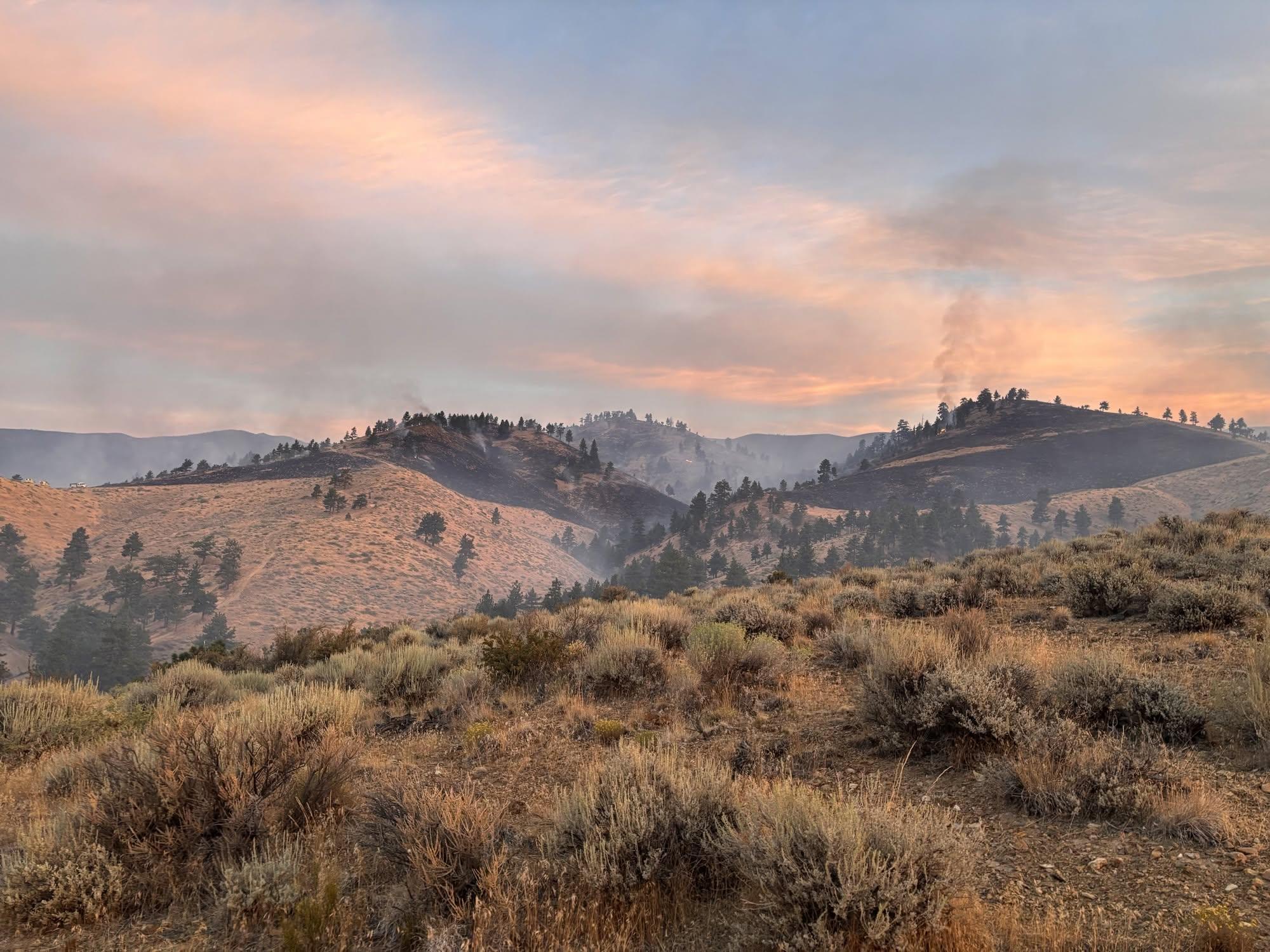
The 2026 U.S. tornado and severe storms season is well underway, driving widespread damage across the country. Although individual events typically receive only brief national attention, the cumulative impact – especially on rural communities – creates significant long-term recovery needs that are often underfunded.   

What donors need to know: 

  • When multiple disasters hit the same communities in short succession, for example, a tornado followed by a flood, recovery needs are compounded. 
  • The geographic regions affected by tornadoes are shifting eastward, meaning communities that haven’t historically prepared for severe storms and tornadoes are less prepared to deal with them now.  
  • Rural and under-resourced communities receive less attention and support and face greater barriers to full recovery. 
  • There is a high demand for flexible funding, especially for affordable housing, mental and spiritual health, economic recovery, and other long-term needs. 
  • Funding community-led preparedness and recovery initiatives is a high-impact strategy that builds resilience and helps communities rebuild stronger after disasters. 

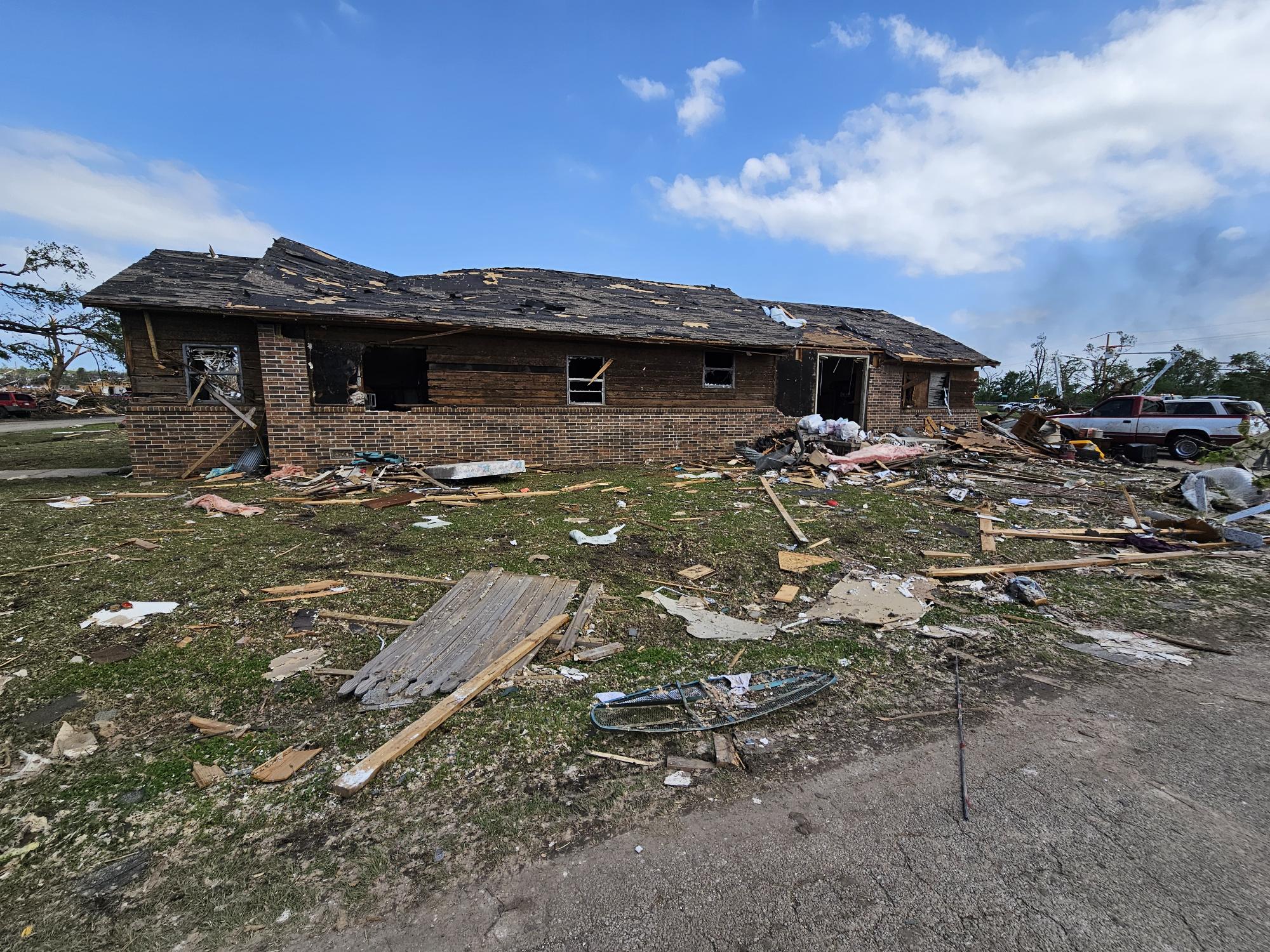
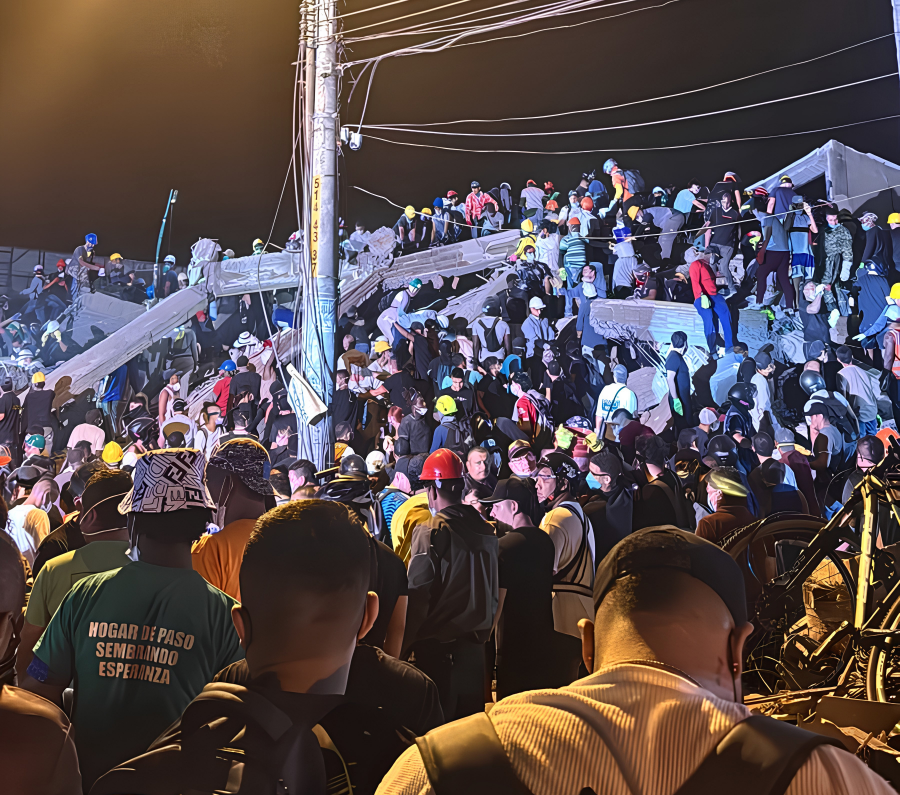
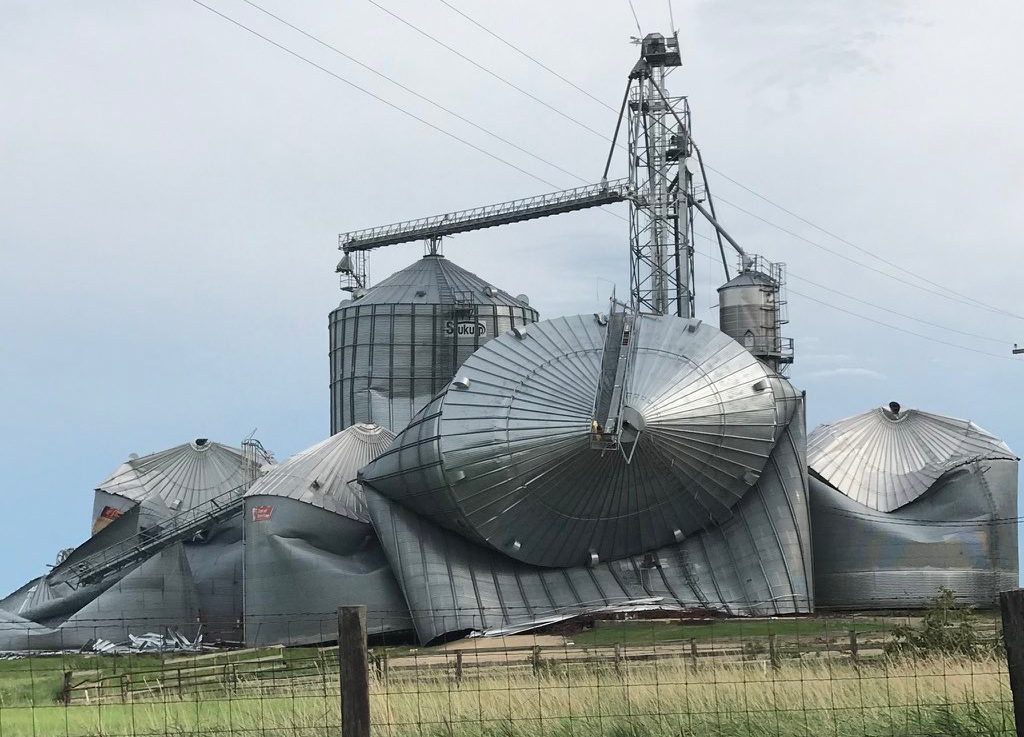
(Photo: Tornado damage in Barnsdall, Oklahoma. Credit: Catholic Charities of the Diocese of Tulsa)
2026 severe weather at a glance
  • The U.S. records an average of 1,200 tornadoes per year. As of early July, the NOAA issued a preliminary report of 1,141 tornadoes so far in 2026.
  • Tornadoes are occurring more frequently both earlier and later in the year.
  • At least 15 people have lost their lives due to severe storms and tornadoes this year.
  • Illinois is having a record-breaking year, recording 172 tornadoes as of early July, the highest number in the country by a wide margin.
  • A 17-day stretch of tornadoes and severe storms in June cost $20 billion in property damage across the U.S.
  • Tornado alley is shifting from the plains to the Ohio Valley and the Southeast. Scientists believe this is caused in part by the drought plaguing the Southwest the last two decades, forcing drier air into the Plains States. 
Who is most affected?
  • Rural communities, like those affected by the powerful June storms in Indiana and Illinois, face slower recovery due to limited access to resources. However, the social fabric and human capital available in rural communities can be a powerful force multiplier in recovery.
  • The destruction of manufactured homes, like those destroyed from the May EF-3 tornado in Mississippi, limits the availability of affordable housing once the storm has passed.
  • Renters often face displacement when rentals are severely damaged. If landlords lack adequate property insurance or choose not to rebuild, tenants may be forced to relocate permanently.
  • Under-resourced communities experience greater barriers to receiving assistance and rebuilding, particularly where repeated disasters have compounded existing vulnerabilities. One year after a tornado destroyed areas of North St. Louis, a majority Black community, many displaced homeowners are still waiting for adequate funding to repair their homes and businesses.  

While there are many immediate needs in the wake of tornadoes, such as temporary housing, childcare, automobile replacement, tarping and debris clean-up, funders should also consider investing in long-term recovery needs for affected communities.  

Affordable housing

People whose homes were damaged will need support repairing their damaged property or securing new housing that is safe and affordable. After a tornado, displaced residents may face challenges finding housing that meets their needs.  

More than 22 million people in the U.S. live in mobile and manufactured homes, which represents an important affordable and accessible housing option for many communities. 

Psychosocial support

Long-term mental health and trauma support is critical after a disaster, especially for first responders, loved ones of people killed in the storms and those who survived the tornado. Sometimes, community members are still suffering from effects of previous disasters, which can leave them with increased trauma from compounding events. 

There is also a severe risk of poor emotional health, suicide or self-harming behaviors among farmers and ranchers after disasters. 

Economic recovery

Business recovery is critical to helping communities rebuild after tornadoes. When tornadoes damage or destroy businesses, they also disrupt jobs, incomes and local economies. Farmers and ranchers are especially vulnerable because tornadoes can strike farming regions during the growing season, damaging crops, killing or injuring livestock, and destroying barns, grain bins, fences, irrigation systems, machinery and other agricultural infrastructure. These losses can have long-lasting effects on both individual livelihoods and rural communities. 
Donors play a critical role in long-term recovery, especially in under-resourced and rural communities. Your donation to our Disaster Recovery Fund (specify “US Tornadoes and Severe Weather”) directly supports trusted community partners.

Support recovery now

Contact CDP

Philanthropic contributions

Questions about donating to the Disaster Recovery Fund or need help with your disaster-giving strategy? Contact us now. 

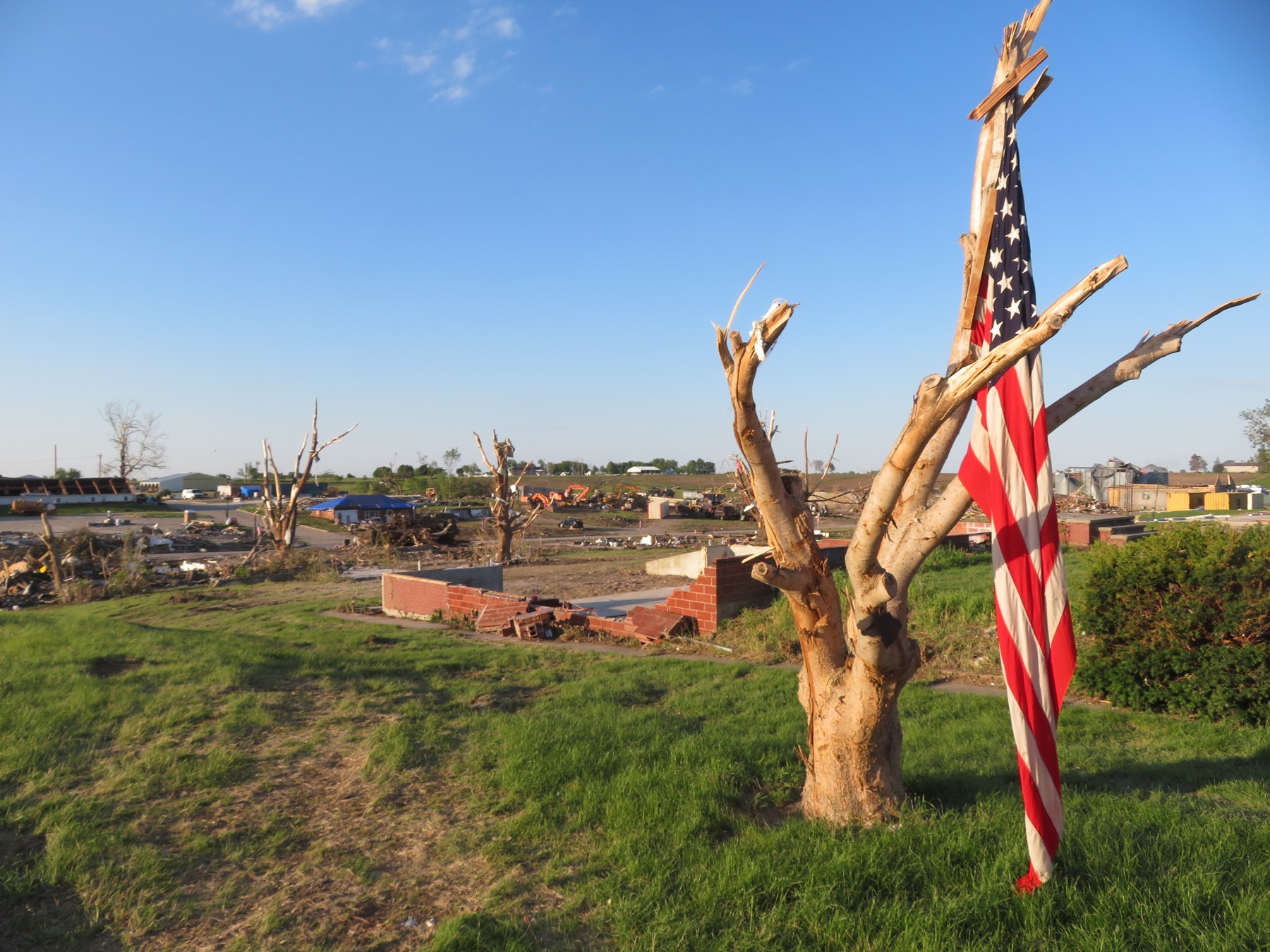
(Photo: Tornado damage in Adair County, Iowa. Credit: Greater Greenfield Community Foundation, read an impact story here.) 

We welcome the republication of our content. Please credit the Center for Disaster Philanthropy. 
Resources

See them all

Tornadoes

Tornadoes

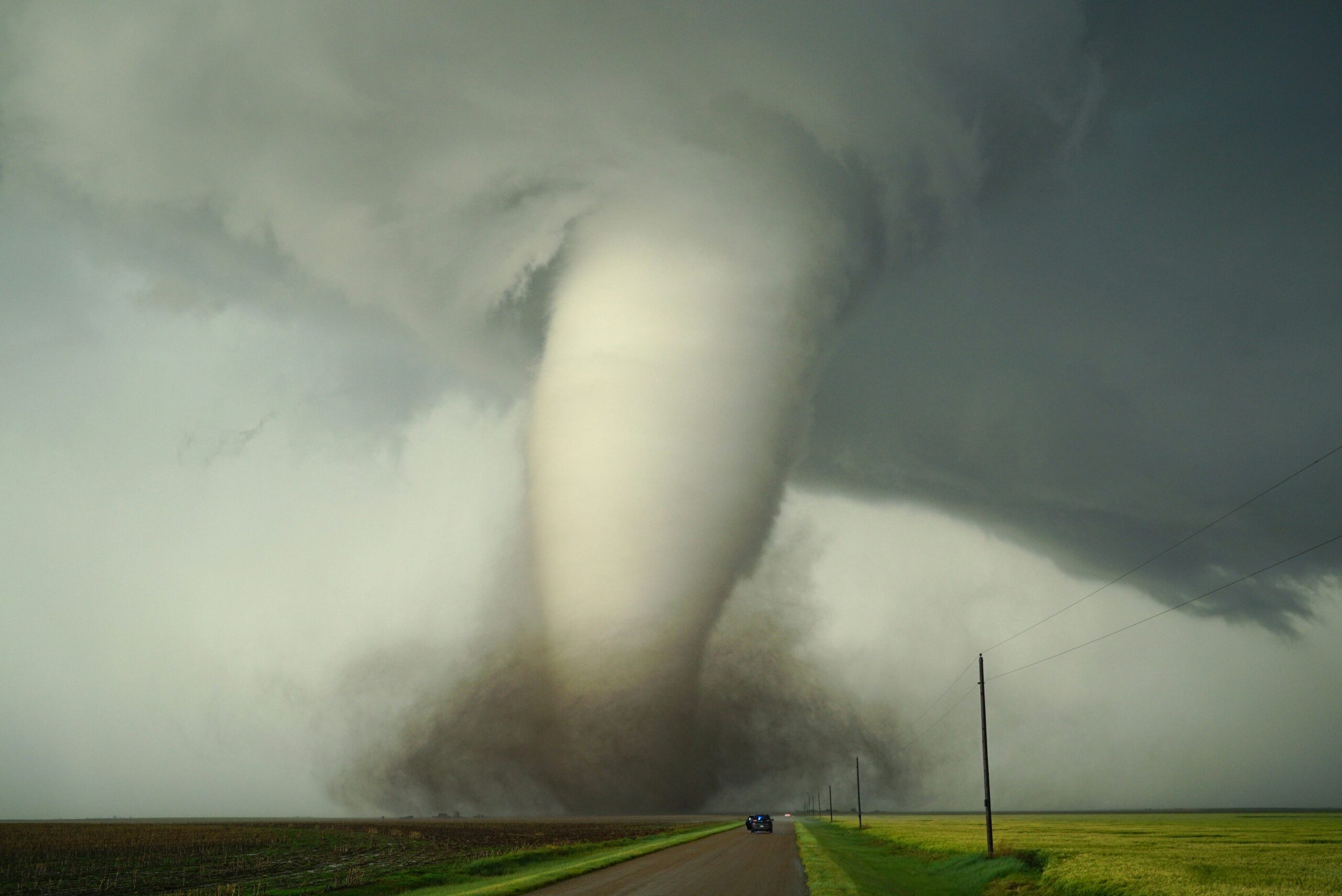
Tornadoes are powerful storms that can cause considerable damage to communities. They can break branches from trees or lift houses off their foundations. The speed with which they form, and their variable intensity, make them some of the most unpredictable disasters on the planet.
Derecho

Derecho

A derecho is a line of intense, long-lived and widespread thunderstorms that move quickly across a long distance.
Rural Populations

Rural Populations

Rural populations often struggle with disaster response and recovery. Explore why.