
Nearly $4 million in final grants from the Truist Foundation Western North Carolina Recovery and Resiliency Fund
Two years after Hurricane Helene brought catastrophic flooding, landslides and damage to Western North Carolina, communities across the region continue to demonstrate what locally led recovery looks like in action. We have seen High Country Caregivers rebuild stability for kinship families, and SeekHealing has provided meaningful connections and mental health support to help people heal. And those are just two of the more than 50 organizations we’ve supported.
Through the Truist Foundation Western North Carolina Recovery and Resiliency Fund, we have proudly supported efforts that addressed medium- and long-term needs to help strengthen the region’s housing and small businesses.
Today, we’re announcing nearly $4 million in our fourth and final round of grants from the Fund. These investments support local organizations committed to helping their communities rebuild toward a stronger and thriving future.
Learn about our latest grantee partners
CDP awarded the final round of grants to the following 18 organizations:
- Asheville Area Habitat for Humanity (AAHH) received $250,000 to support Asheville Regional Coalition for Home Repair (ARCHR), a coalition of housing partners addressing unmet repair and recovery needs throughout Buncombe and Madison counties. AAHH provides fundraising support to the Coalition and manages a universal intake form for participating partner organizations which streamlines the request process, shortens wait times and improves communication and collaboration among organizations, reducing the burden on households with limited financial means who are seeking storm-related home repairs.
- Asheville Buncombe Community Christian Ministry received $100,000 for their Faith360 Disaster Care Coordination Network, which advances housing recovery and brings innovative, community-based case management services to rural communities in Alleghany, Ashe, Avery, Buncombe, Burke, Caldwell, Cherokee, Clay, Graham, Haywood, Henderson, Jackson, Macon, Madison, McDowell, Mitchell, Polk, Rutherford, Swain, Transylvania, Watauga, Wilkes, Yancey and surrounding disaster-affected counties in Western North Carolina.
- Eastern Band of Cherokee Indians Agriculture and Natural Resources Program received $100,000 in resiliency support to increase native rivercane (Arundinaria gigantea) production capacity. This project will help meet the increasingly high demand for this crop for riverbank restoration and traditional cultural uses, after Helene damaged significant stretches of the region’s waterways. The project serves the Qualla Boundary (Cherokee, Graham, Haywood, Jackson, Swain), and parts of Buncombe, Clay, Macon, Madison, Transylvania and Yancey counties.
- EcoForesters, Inc. received $100,000 for their project titled “Forest Recovery & Resilience – Rural Community Engagement & Action.” The grant supports Hurricane Helene recovery and resilience in Western North Carolina’s forests. Activities include outreach and education efforts centered on planning post-disaster management, wildfire mitigation and invasive plant species control. Funds support agency cost-shares and professional forestry technical assistance to rural forest owners, helping forest owners make their forests healthier and more resilient in counties most heavily impacted by Helene.
- Energy Savers Network Incorporated received $273,900 for energy efficiency, home repair and housing stability work. This support will allow Energy Savers Network to provide recovery services to Helene-impacted households in Buncombe, Henderson, Madison and McDowell counties. This includes a full suite of technical expertise, including home assessment and weatherization, major energy-efficiency upgrades, and home repairs that help address structural issues and make those upgrades possible.
- First United Methodist Church of Waynesville received $500,000 for work addressing long-term recovery and resiliency needs in rural Western North Carolina communities impacted by Hurricane Helene. The program, called “Rebuild Haywood,” provides critical housing repairs and comprehensive wraparound case management in Buncombe, Catawba, Cherokee, Cleveland, Haywood, Henderson, Jackson, Macon, McDowell, Mitchell, Rutherford, Polk, Swain, the Qualla Boundary and other counties as needed.
- Grace Covenant Presbyterian Church received $242,650 for their deeply affordable housing and recovery work. Funds support stipends for community group members to engage in planning the affordable housing initiative and to establish pathways toward long-term housing security, financial resilience and community connection. Residents from across Western North Carolina will be eligible to apply for housing. This grant also supports coordinated recovery services for impacted Buncombe households, including wrap-around disaster case management.
- Haywood Habitat for Humanity received $275,000 for their housing repair and community recovery work in Haywood County. This award will fund repairs and storm-resistant improvements for disaster-impacted households in rural communities who lack access to other recovery resources. Using construction methods that increase resiliency, the project will also provide long-term resilience so homeowners can remain in their homes, preventing displacement and reducing pressure on limited affordable housing stock.
- Mission Serve received $150,000 for housing recovery work in Avery, Buncombe, Madison, Mitchell and Yancey counties. Partnering with local organizations, youth volunteers and construction professionals will provide long-term recovery support in smaller, rural communities, and deliver hope to impacted communities.
- North Carolina Association of County Commissioners Member Services Foundation received $100,000 for their “Trauma-Informed Counties in Practice” program, serving all 26 counties in Western North Carolina impacted by Helene. This regional program serves all the residents of the region by delivering expert, long-term technical recovery services to county staff, including navigation of federal and state resources, trauma-informed wellness care, and a range of training.
- North Carolina Baptist Men received $400,000 for their housing recovery work. Deploying from their five Rebuild Centers across Western North Carolina, program staff provide housing repairs and reconstruction in Ashe, Avery, Buncombe, Burke, Haywood, Henderson, Mitchell, Madison, McDowell, Polk, Rutherford, Transylvania, Yancey and nearby counties.
- North Carolina State University Eastern Band of Cherokee Indians Cooperative Extension Office, through fiscal sponsor The Center for Native Health, received $175,000 to provide technical expertise for streambank restoration and environmental infrastructure recovery. Working alongside partner organizations, growers and private landowners, this project aims to increase use of native rivercane to revegetate Helene-impacted streams in Buncombe, EBCI, Graham, Jackson, Madison, Polk, Swain, Transylvania, Yancey and counties in Western North Carolina impacted by Hurricane Helene.
- PIVOTPoint WNC received $200,000 in support of the expansion and sustained delivery of their “Resilient Futures: Expanding Behavioral Health Programming for Helene-Impacted Youth” project. Funds support community-integrated behavioral health programming for cohorts of teens in Helene-impacted communities across Western North Carolina. In close partnership with multiple state and community support service providers, this project provides a range of nature-based, experiential skills-building programs and long-term resilience support for rural teens in Buncombe, McDowell and Transylvania counties and surrounding communities.
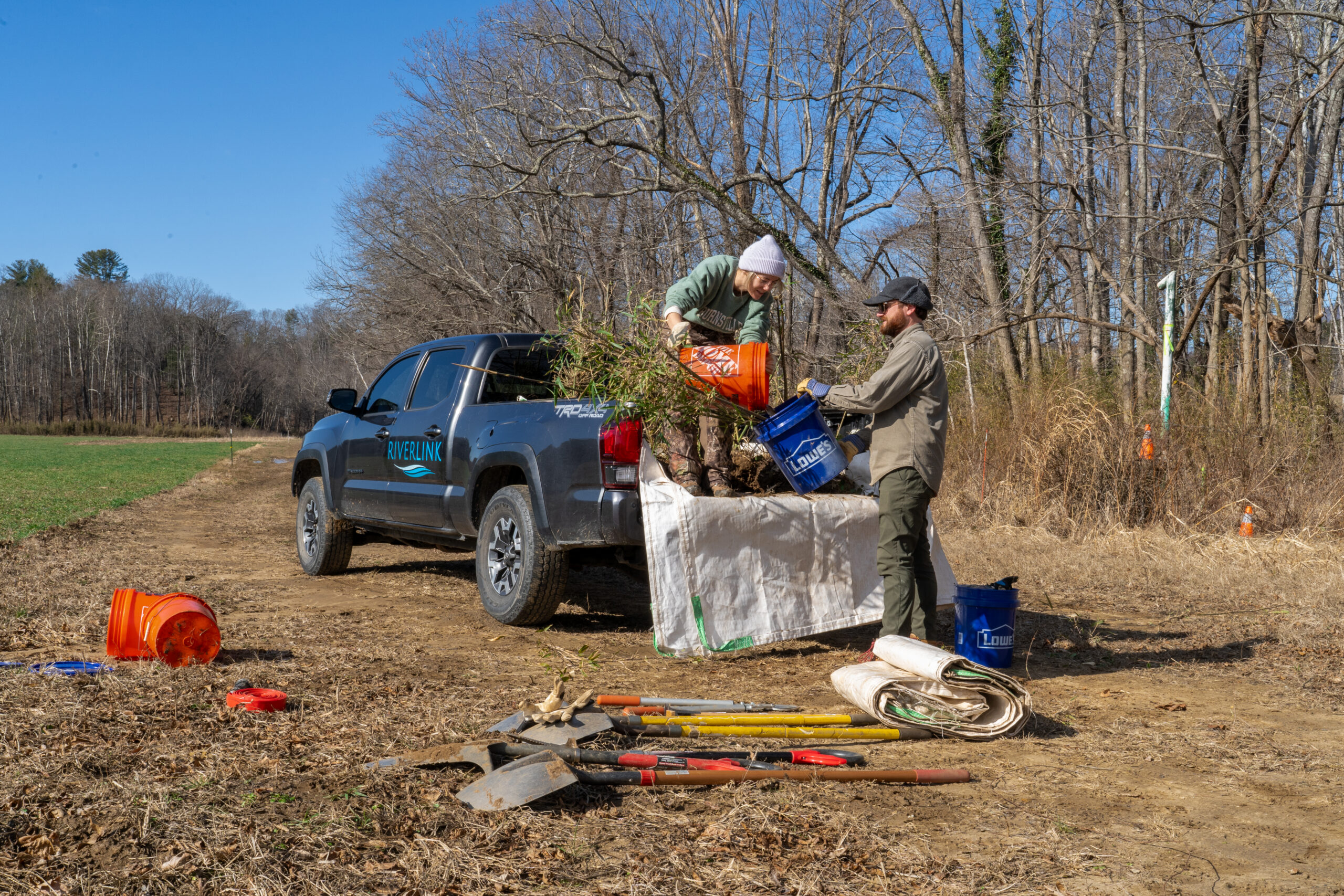
- RiverLink received $180,000 to increase commercial propagation and market supply of native rivercane as a tool for the long-term recovery and resilience of Western North Carolina’s waterways and communities. The grant advances recovery and resilience by supporting environmental infrastructure repair and strategic economic interventions in Transylvania, Henderson, Buncombe, Madison, Yancey and Haywood counties.
- Rutherford Housing Partnership received $287,500 to provide ongoing housing recovery and resilience services for low- and moderate-income homeowners impacted by Hurricane Helene in Rutherford and Polk counties through critical home repairs, homeowner education and targeted outreach. This effort restores safe housing conditions while strengthening long-term stability through improved access to homeowners insurance, routine home maintenance practices and disaster resilience.
- University of North Carolina at Chapel Hill – Gillings School of Public Health received $239,286 to launch their Scalable Mold Action Plan (“MAP Scale”) project in communities that experienced water-related damage during Hurricane Helene. The project includes personalized mitigation guidance and the distribution of air filters or dehumidifiers to households alongside practical strategies aimed at reducing ongoing moisture problems and improving air quality in homes in Buncombe and Mitchell counties.
- Valley Hope Foundation received $175,000 for their “Foundations of Hope” housing recovery project in rural and unincorporated communities in Buncombe, McDowell and surrounding counties. This initiative includes essential home repairs, hazardous debris removal, structural and geotechnical stabilization, mold remediation, well and septic system repair, and the demolition of unsafe residential structures. Stabilized homes protect generational assets in rural Western North Carolina communities where housing replacement options are often limited.
- WAMY Community Action, Inc. received $150,000 for their housing recovery and rehabilitation program. Funds support housing recovery case management and housing repair projects in Avery, Mitchell, Watauga and Yancey counties, strengthening long-term resilience by preserving safe, affordable housing and reducing the lasting impacts of Hurricane Helene on vulnerable households.
More about the Truist Foundation Western NC Recovery and Resiliency Fund
Since the launch of the Fund in January 2025, we have awarded nearly $19 million to 54 local organizations advancing recovery across the region. Our grantmaking has been guided by our assessment of damages, systemic marginalization, community capacity and unmet needs to support the area’s equitable recovery.
We also provide support beyond the check to grantee partners by bringing them together to share lessons learned, connecting partners to help address gaps and strengthen recovery efforts, and sharing information about unmet needs with other resources.
The Fund, a partnership with Truist Foundation, is part of a $725 million commitment from Truist and Truist Foundation called Truist Cares for Western North Carolina.
Much of the work supported by this Fund continues through 2027 and 2028, and our grantee partners’ positive impacts in the region will continue well beyond December 2027 when the Fund officially sunsets. We are grateful to Truist Foundation for the trust that enabled us to support equitable resilience and rebuilding after the storm.

Laura Lynn Taylor
Domestic Funds Program Manager