
CDP grants support critical health care needs in low attention crises
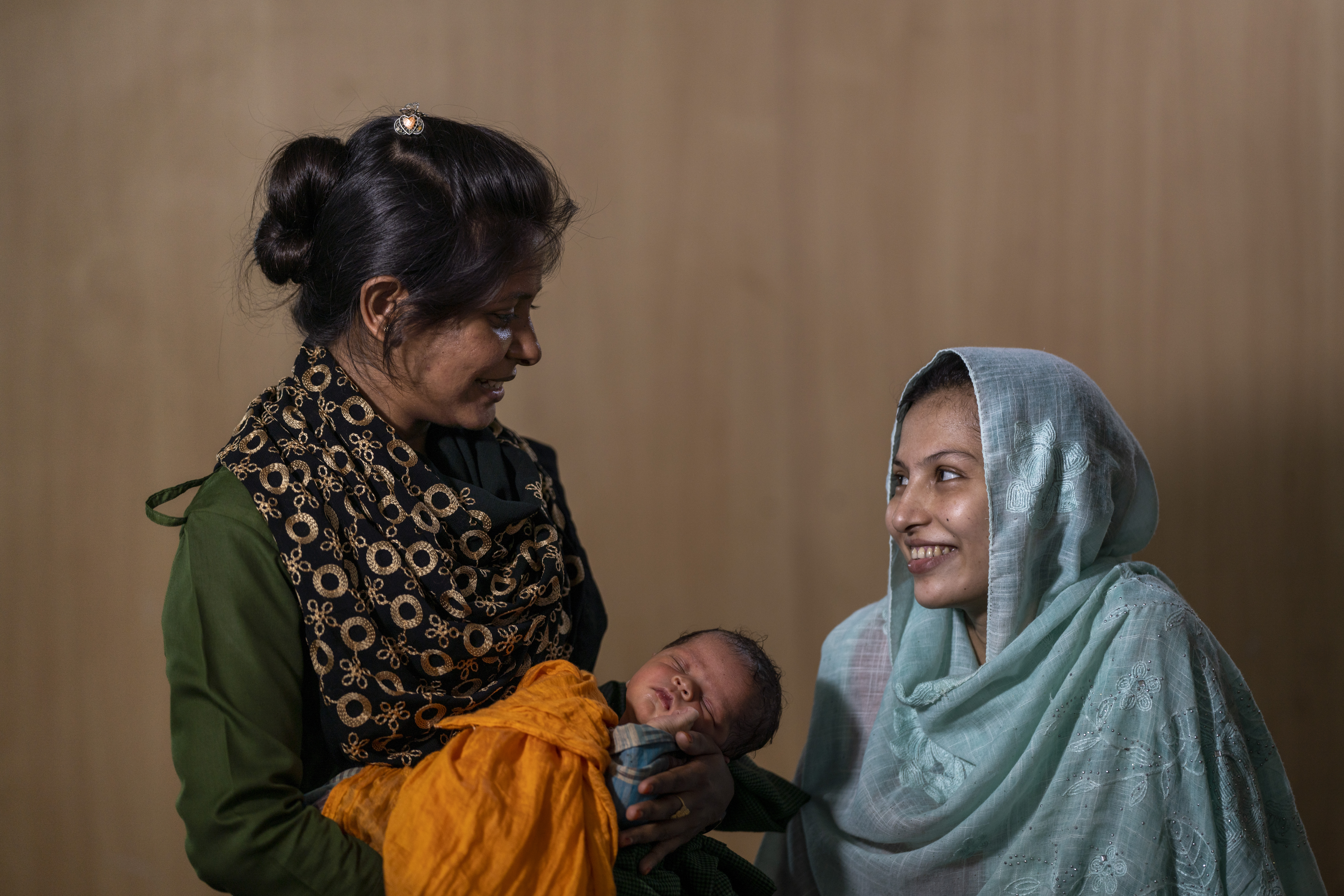
On a dark Christmas night in a small town in South Sudan, a midwife and I rushed a woman in labor with twins to a hospital with no electricity. Staff gathered candles as we carried her inside– there was no power or backup generator. Thankfully, the babies were delivered safely by candlelight.
Scenes like this one are common in places facing conflicts and humanitarian crises. Years ago, while working in South Sudan, I witnessed entire communities shaped by displacement. Entire towns of residents, fleeing violence, sought refuge in other towns already stretched beyond capacity. Although local services were already overwhelmed and resources were severely limited, the community still came together to support one another as best they could.
Unfortunately, the growing number of disasters filling our headlines means additional devastating crises rarely make the front page. Places where conflict and natural disasters are destroying whole towns, including homes, hospitals and schools, and forcing families to flee receive little attention or support. These are complex humanitarian emergencies (CHEs), and they are becoming more frequent, more severe, yet more invisible at the same time. Every CHE means more mothers are giving birth without the health care they need to care for themselves and their babies.
Yet, CDP’s research shows that only about 10% of philanthropic disaster funding goes to complex, protracted humanitarian emergencies, even though these are often the most severe and sustained crises. Philanthropy has the opportunity and ability to intervene with flexible funding that supports communities to meet their needs when those crises don’t make the news.
Today, with support from the Broad Reach Foundation, we are proud to announce three new grants from the Global Recovery Fund (GRF) totaling $285,000 to locally led organizations meeting health care needs in crises such as these.
- Hope Foundation for Women and Children of Bangladesh received $100,000 to improve maternal and newborn health outcomes for Rohingya refugees and vulnerable host communities in Cox’s Bazar refugee camp through community-based health education, strengthened maternal and reproductive health services, and expanded access to life-saving emergency obstetric and neonatal care. This initiative will increase safe pregnancy and childbirth practices, improve access to quality health care services, and reduce preventable maternal and neonatal morbidity and mortality in a protracted displacement setting.
- Panzi Hospital & Foundation received $85,000 to support the routine and emergency care provided at their facilities for survivors of sexual violence and the wider community, along with building their capacity to reach communities in remote areas of South Kivu province, Democratic Republic of Congo.
- Sudanese American Physicians’ Association received $100,000 to support recovery and rehabilitation of the only hospital providing care for communities in West Darfur, focusing on critical capacity needed in the surveillance, detection and management of disease outbreaks. SAPA will rehabilitate the hospital’s laboratory, train staff, upgrade the wastewater handling system, and provide supplies, leading to better health outcomes for communities and a more resilient health system in West Darfur, Sudan.
Tracy O’Heir
Program Officer, International Funds