
Centering local leadership: More than $2.3 million to support long-term recovery in Ukraine and neighboring countries
More than four years since Russia’s full-scale invasion of Ukraine, hostilities continue to intensify as conditions across the country deteriorate, driving large-scale displacement and steadily eroding community safety, access to basic services, and livelihoods. The situation is further exacerbated by the targeted destruction of energy infrastructure, with energy systems damaged or destroyed across 17 regions in January alone.
Recovery needs remain immense, even as humanitarian funding has sharply declined over the past year. These cuts have strained recovery efforts, driving many national NGOs to suspend programs, or scale back operations, weakening local response systems and eroding hard-won localization gains. In this context, prioritizing funding to national and local actors is no longer optional, it is central to sustaining recovery in both Ukraine and neighboring countries hosting Ukrainian refugees.
During a visit to Poland last year, members of our team met with local and national partners supporting Ukrainian refugees and saw firsthand the consequences of shrinking humanitarian assistance. These cuts have impacted the essential support and protection services that Ukrainian refugees rely on. Community centers and gathering points have been similarly affected by funding cuts, limiting access to spaces that foster social and cultural connections. The impact has been most severe for organizations serving marginalized Ukrainian refugee groups, including survivors of domestic violence, people with disabilities, and Roma communities, further constraining access to critical services.
CDP remains committed to supporting locally led, inclusive and equitable recovery. Through the Ukraine Humanitarian Crisis Recovery Fund, CDP is addressing medium- to long-term recovery needs by continuing to invest in national and local organizations that play a critical role in reaching marginalized communities, supporting essential services, and anchoring recovery in community-driven solutions. In this round of grants, approximately 97% went to locally led organizations, reinforcing local capacity at a moment when it is most under strain.
These grants reflect CDP’s approach to equitable recovery and locally led solutions, centering recovery priorities identified by community-based organizations and partners and using those insights to guide grantmaking decisions. CDP is grateful to our donors who make this work possible and who share the conviction that equitable recovery requires time, trust, and flexibility.
The latest grants from the Ukraine Humanitarian Crisis Recovery Fund
We are pleased to announce more than $2.3 million in grants to 24 organizations supporting recovery in Ukraine, Poland, Moldova and Romania.
- Association Jududoro received an additional $40,000 to establish and equip a community center in Kraków, which will serve as a safe and inclusive space for both the Roma community and the broader local community. The remaining project activities will continue unchanged. The center will also provide crucial support for Roma students in learning Polish, catching up on school material, and strengthening their skills in mathematics and languages.
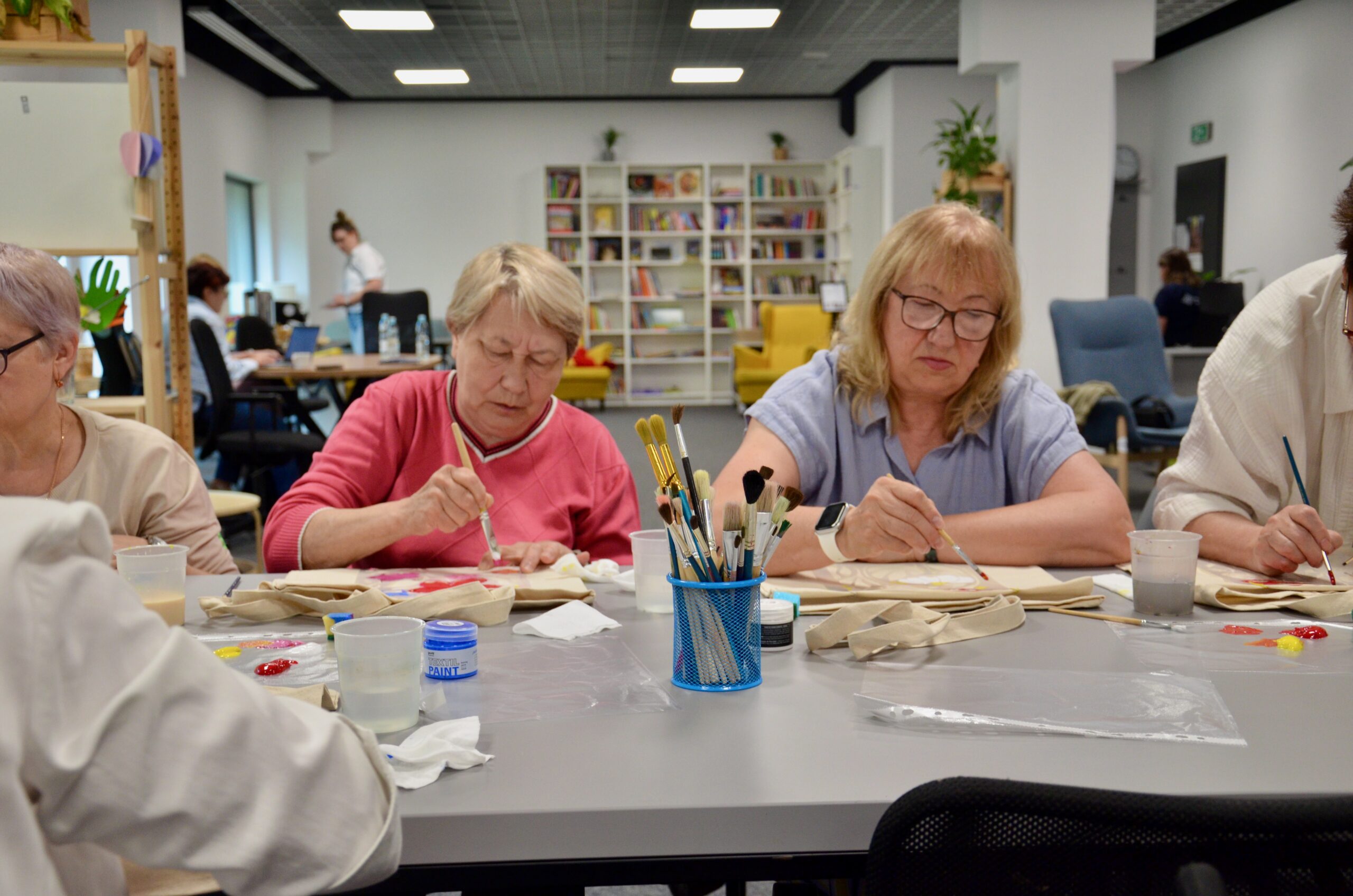
- Association Patchwork received $100,000 to support the recovery and inclusion of refugee families and persons with disabilities in Poland through practical, community-led solutions that combine protection and legal assistance, rehabilitation, and creative psychosocial support. Using accessible and participatory methods such as art therapy, sewing workshops and inclusive puppet theatre, the project helps women, caregivers, and persons with disabilities regain stability, confidence, and a sense of agency.
- Center Women’s Perspectives received $100,000 to strengthen women’s leadership, social cohesion, and equitable recovery in border and remote communities of western Ukraine through research and community consultations, women’s leadership schools and intercultural dialogue platforms, and mobile psychosocial and legal support services. This integrated, women-led initiative will elevate marginalized women’s voices in local decision-making, foster trust and cooperation across diverse communities, and enhance long-term resilience and well-being.
- Charitable Foundation Rokada received $100,000 to strengthen psychosocial well-being, social reintegration, and support systems for veterans and their families in Ternopil and Zhytomyr through mobile multidisciplinary outreach, accessible veteran support spaces and capacity-building for local service providers. This initiative will expand access to trauma-informed care, enhance inclusive community-based services, and reinforce local systems to ensure a more sustainable, equitable, and resilient recovery for veteran communities affected by the war.
- Deakin University’s Centre for Humanitarian Leadership received $126,108 to strengthen locally led humanitarian response and recovery through leadership development in Ukraine and Syria. The centre will also conduct a network analysis focused on local humanitarian organizations in Syria. This initiative will equip local humanitarian leaders with adaptive leadership skills, strengthen participation in coordination and decision-making, and reinforce the resilience and sustainability of locally led organizations operating in protracted crisis contexts. **Co-funded with the Turkey & Syria Earthquake Fund.
- ECCB – Centre of Relief and Development received $100,000 to support internally displaced and war-affected communities in Poltava and Kremenchuk through sustained community-based services, including mental health and psychosocial support services and targeted improvements to living conditions in modular housing. This integrated, locally led initiative will strengthen emotional well-being, stabilize displaced households, and reinforce community-based recovery systems amid prolonged displacement and ongoing conflict.
- Fulcrum UA received $100,000 to strengthen the mental health, protection, and resilience of vulnerable adolescents through psychosocial support, educator training on inclusive practices, and a national Forum of Allies that expands youth-led advocacy and collaboration. This initiative will improve access to trauma-informed care, foster safer and more inclusive school and community environments, and reinforce locally led systems that support the long-term well-being and stability of young people impacted by the crisis in Ukraine.
- Fundacja Ukraiński Dom received $100,000 to provide informational support and protection for Ukrainians displaced by war in the most vulnerable situations.
- Fundacja W Stronę Dialogu received $125,000 to provide comprehensive, culturally competent assistance to Roma refugees in Poland. By strengthening advocacy and communication efforts and maintaining the Roma Community Center as a safe space for educational and cultural activities, Fundacja W Stronę Dialogu’s work will ensure that Roma communities affected by the war in Ukraine are not only supported in the short term but also included in the broader recovery, resilience, and social cohesion processes to come.
- Fundația Inimă de Copil received $50,000 to strengthen the recovery, inclusion, and protection of more than 300 Ukrainian and Romanian children and adults in the border regions of Galați and Brăila by providing continued educational integration support, social inclusion activities, and improved access to essential services.
- Gender Stream received an additional $18,500 to continue the provision of life-saving services for LGBTQI+ communities.
- HelpAge Moldova received $101,795 to improve age and disability inclusion in humanitarian action in Moldova and ensure that vulnerable older Ukrainian refugees can live with dignity, independence, and safety. Through needs assessments, advocacy, delivery of assistive devices, home adaptations, and social cohesion activities, the project will reduce protection risks and support long-term integration of older refugees into Moldovan communities.
- NGO Girls received $100,000 to expand psychosocial support services and to strengthen the organization’s internal capacity through targeted staff development and systems strengthening. This initiative will provide both individual and group mental health services, build the skills and resilience of core and regional staff, and enhance organizational structures to ensure more effective, sustainable, and community-centered programming.
- Martynka Help received an additional $100,000 to support the continuity of core organizational activities under their existing grant to provide holistic support, including information, legal advice, case management and safeguarding for the Ukrainian refugee community in Poland, particularly women and LGBTQIA+ people who find themselves in vulnerable circumstances.
- National Network of Local Philanthropy Development (NNLPD) received $220,000 to strengthen locally led recovery by building the capacity of community-based organizations, supporting early recovery initiatives, and reinforcing national coordination through the Ukrainian Pooled Fund. Through this investment, NNLPD will expand the ability of local organizations to deliver effective, accountable, and inclusive recovery programming, while helping build a more resilient, sustainable civil society infrastructure to support communities throughout Ukraine’s ongoing crisis.
- Organization for Refuge, Asylum and Migration (ORAM) received an additional $20,000 to continue building the capacity of INGOs, NGOs and CSOs working with LGBTQI refugees to equip them with tools to meet their specific needs.
- Podkarpackie Stowarzyszenie dla Aktywnych Rodzin (PSAR) received $100,000 to strengthen the mental and social resilience of Ukrainian youth and their families by developing peer support systems, delivering MHPSS, and countering disinformation in school environments in Podkarpackie Voivodeship, Poland.
- Polish Humanitarian Action received $50,000 to increase the employability of Ukrainian refugees in Poland through the provision of vocational courses and job training, allowing them to either gain new skills or upskill to meet the requirements of the Polish job market.
- PTAHA received $75,000 to strengthen the capacity of civil society organizations in the Lviv region of Ukraine through strategic planning and institutional development, legal and advocacy support, and public health and psychosocial resilience programming. This initiative will strengthen CSO governance, expand their ability to influence inclusive recovery processes, and improve the well-being of staff and volunteers, ensuring a more sustainable and community-centered recovery.
- Refugees International received $250,000 to strengthen the power shifting efforts led by the Alliance of Ukrainian CSOs in the Ukraine humanitarian response. Activities will include humanitarian leadership training programs across the country, conducting local, national and international advocacy campaigns, and bringing together localization stakeholders at the annual Ukrainian Aid Leadership Conference in Kyiv. In all of these endeavors, Refugees International will support the Alliance by leveraging its institutional weight and expertise to convene government officials, donors, international representatives and Global South leaders in favor of the power-shifting priorities identified by the Alliance.
- StreetAware received $50,000 to strengthen the long-term emotional, social, and economic resilience of Ukrainian refugees in Romania through accessible mental health support, resilience-building activities and Romanian language courses. The project aims to empower refugees with the skills needed to manage stress, rebuild stability and successfully integrate into the host community.
- UA Brokers Without Borders received $220,000 to rehabilitate infrastructure, stabilize frontline health services and expand national medical capacity. This initiative will repair and equip preschools with safe shelters, establish Ukraine’s first acoustic trauma training center to train ENT surgeons in life-saving microsurgical techniques, and provide rapid infrastructure support to hospitals facing ongoing shelling and infrastructure damage. Through this investment, UA BWB will enhance safety for young children, increase access to specialized medical care for those experiencing acoustic trauma, and reinforce the resilience of critical healthcare institutions serving communities on the front lines of the war.
- Ukrainian Down Syndrome Organization received $100,000 to support children and young people with Down syndrome and their families in Ukraine through inclusive psychosocial recovery camps, peer-exchange sessions and foundational planning for a future community hub. This community-driven initiative will strengthen emotional well-being, build organizational capacity and learning, and lay the groundwork for long-term inclusive support infrastructure.
- Zustricz Foundation received $100,000 to strengthen the integration, psychosocial resilience, and leadership of Ukrainian refugees in Kraków, Poland. The project will provide Polish language and cultural orientation courses, creative and intercultural activities, youth and senior engagement programs, and community-led “Good Initiatives” to foster inclusion, social cohesion and long-term recovery among displaced and host communities.

Ruwani Dharmakirthi
International Funds Program Manager