
Twin earthquakes strike Venezuela: How you can help
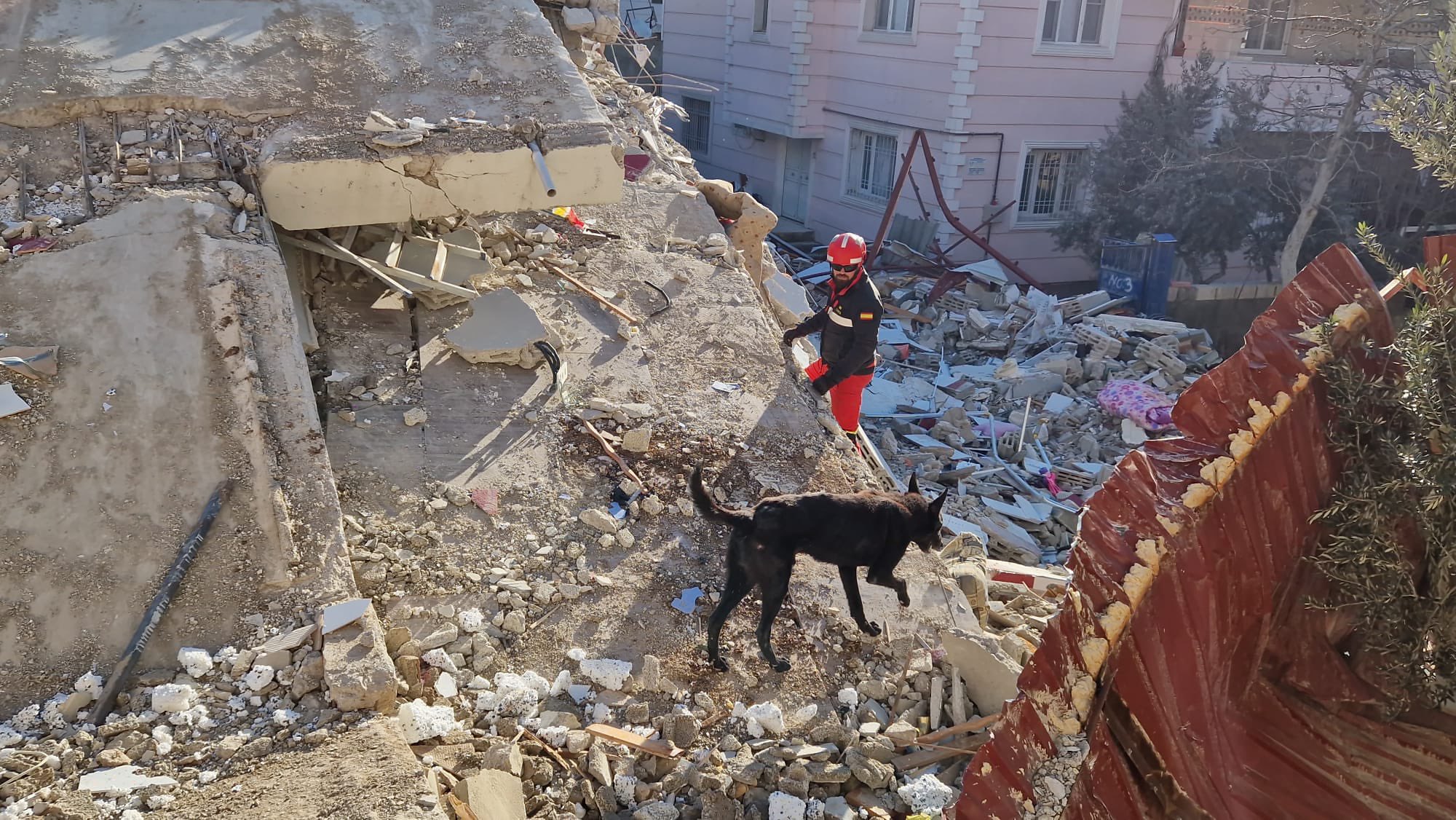
On Wednesday, June 24, a pair of powerful earthquakes struck northern Venezuela just 39 seconds apart, in a rare phenomenon known as a “doublet.” Though information from officials is still unfolding, it is clear that the devastation is widespread and catastrophic.
The first 7.2 magnitude earthquake hit San Felipe, and the second 7.5 magnitude earthquake struck just three miles north in Yumare. The ground shook violently in nearby Caracas, and aftershocks were felt more than 1,000 miles south in Brazil’s Amazon rainforest.
The earthquakes caused buildings to collapse in Caracas, and Simón Bolívar International Airport was damaged and closed. Parts of the capital also lost cell phone coverage and power, and gas was shut off. Many people are sleeping outside in parks.
Hundreds of buildings collapsed in La Guaira state and other places along the coast, overwhelming local authorities. Search and rescue teams from the UN and around the world are on the ground helping with rescue operations. As of June 26, more than 900 people have died, and thousands have been injured, but tragically, that number is expected to rise in the coming days.
These earthquakes were among the most catastrophic in Venezuela in over a century. They’re especially unusual because Venezuela sits between the South American and Caribbean plates, making powerful earthquakes much less common than in other places in Latin America.
People living in informal settlements, families with young children, older people, those living with disabilities and communities with poor infrastructure and limited emergency preparedness are disproportionately affected by this disaster. Additionally, the combination of high building vulnerability and dense population has amplified the human toll.
Why focus on long-term recovery now?
An approach that considers the long-term needs of communities is essential in recovery from an earthquake. Earthquakes happen suddenly and with devastating consequences. The destruction is fast, visible and acute, but the recovery is slow, arduous and systemic. It can take decades or longer.
There are multiple reasons for this. Buildings collapse in seconds, but rebuilding them requires functioning supply chains, skilled labor, materials, permits and financing, all of which are also often affected or disrupted by the earthquake. You can’t rebuild a hospital if the roads to reach it are broken, and you can’t fix the roads if the required equipment is destroyed. Add to that the widespread damage to hidden infrastructure, like water systems and sewage treatment plants, and you have complex and interconnected challenges that make progress devastatingly slow.
As a result, donor attention wanes long before communities rebuild. Recovery is particularly challenging in lower-middle-income countries and countries where multiple hazards and conflict combine to create a complex humanitarian emergency, such as Venezuela. Donors may also experience fatigue given the overwhelming needs after such a catastrophic event.
How can funders help?
- Think long term and unrestricted: Recovery needs will continue long after the headlines fade. For earthquake recovery, long-term, unrestricted funding is crucial.
- Support safe and expedited construction: Funders can help people struggling in Venezuela by supporting safe and expedited rebuilding work that includes mitigation and risk reduction, making long-term investments to ensure a full recovery, and strengthening preparedness and resilience efforts.
- Prioritize cash donations: As with most disasters and emergencies, unrestricted cash donations to organizations are recommended by disaster experts. Cash allows on-the-ground agencies to direct funds to the most significant area of need, supports economic recovery and ensures donations can help quickly re-establish access to basic needs.
- Join CDP’s effort to support recovery: CDP can provide grants to organizations outside the U.S., and donations to CDP’s Global Recovery Fund (select 2026 Venezuela Earthquake Recovery) can help us support local organizations working to lead their communities’ recovery.
Nicole Behnam
Vice President, Strategy and Innovation
Sharad Aggarwal
Vice President, Fund Management & Coalition Building