
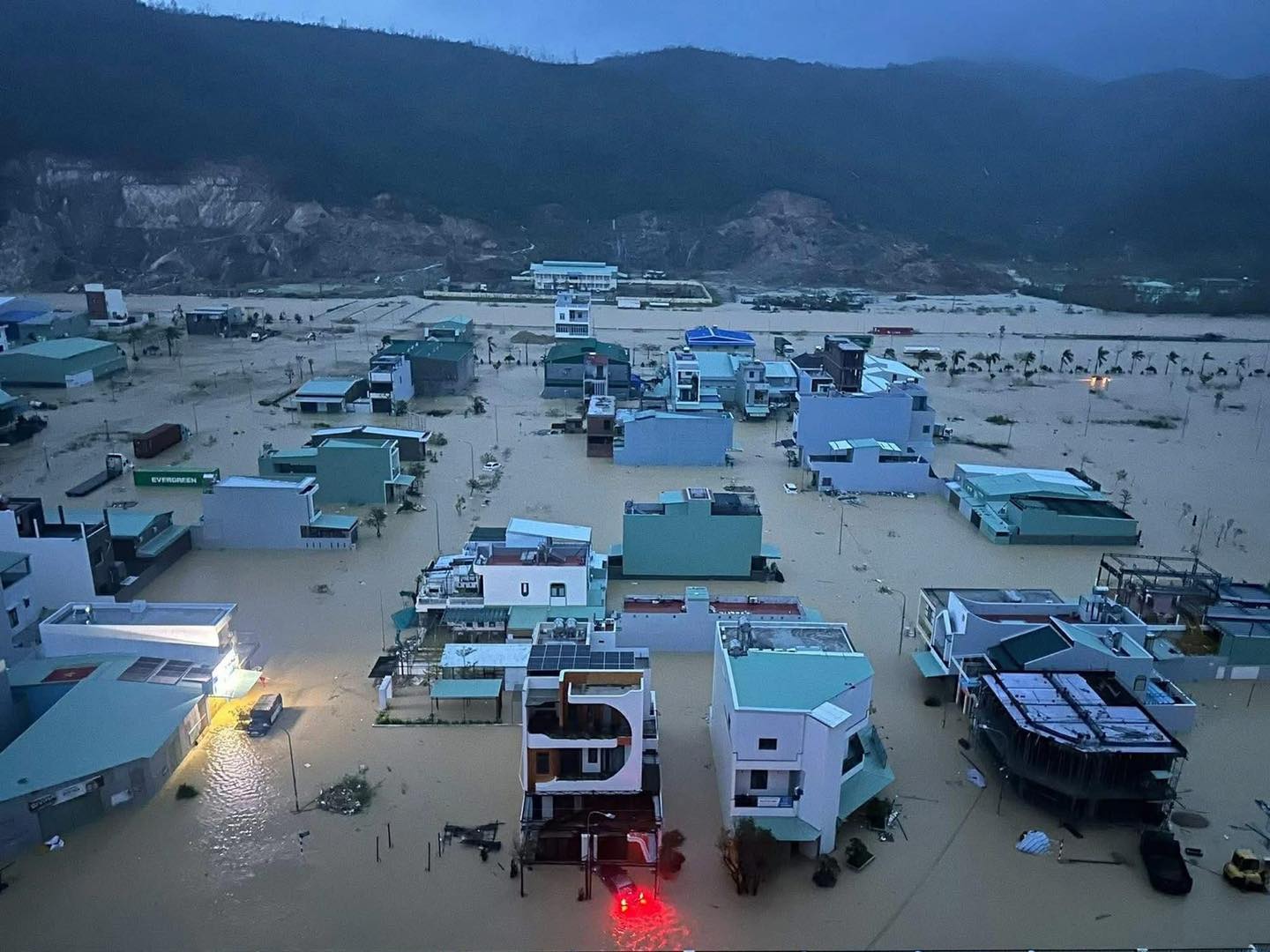
More than 1,100 people died across the region, and millions have been displaced. In addition to destroyed homes, schools and other infrastructure, damage to the agricultural sector will have significant economic consequences and exacerbate food insecurity across the region.
Key facts:
(Photo: Flooding in Vietnam, Nov. 18, 2025. Credit: Vietnam Disaster and Dyke Management Authority via Facebook)
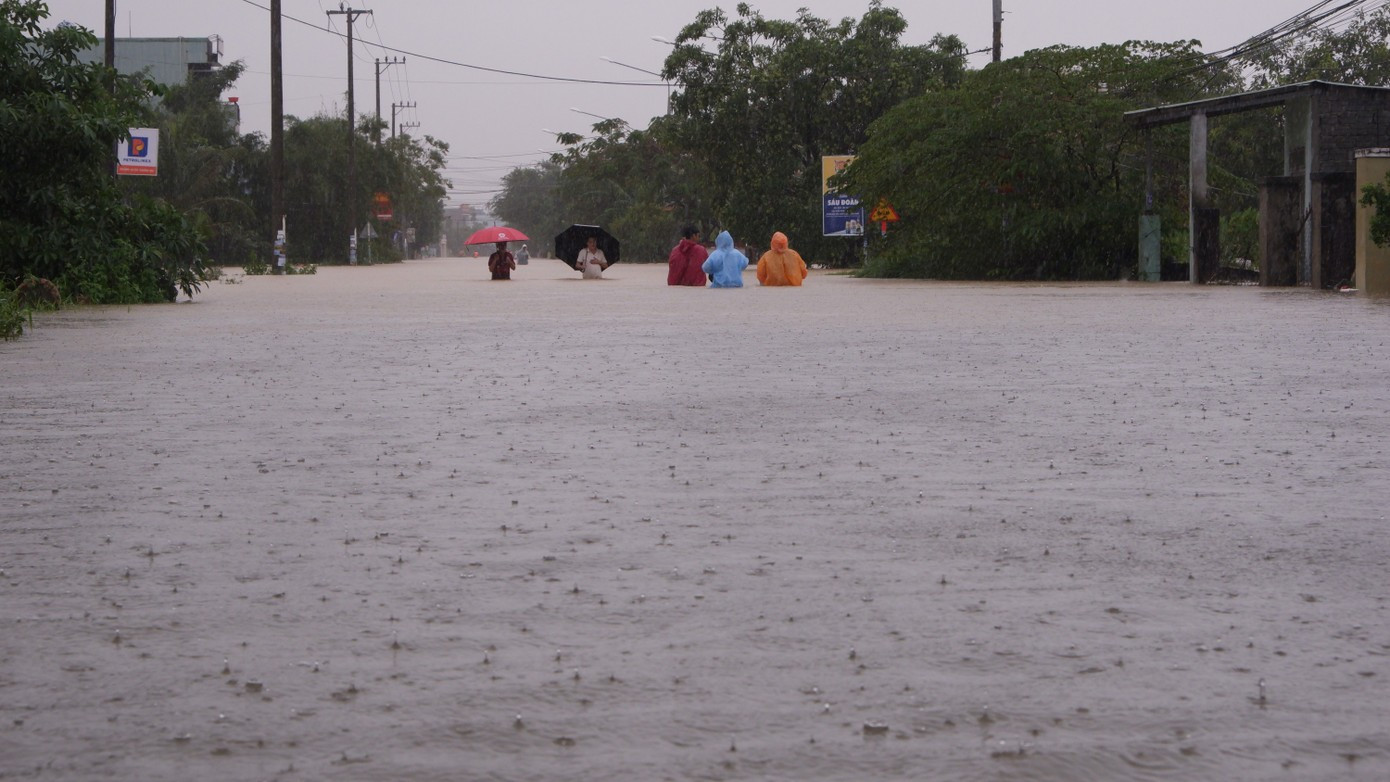
During the week of Nov. 23, torrential downpours inundated more than 300,000 homes and caused dozens of fatalities in Vietnam. Approximately 1.1 million homes and businesses lost power during the storm.
The peak coffee harvesting season has been delayed due to damage caused by excessive rain, which could have considerable economic consequences for farmers.
More heavy rainfall is forecast for Tuesday, Dec. 2. Since the ground is already saturated from the previous storm, additional rainfall poses significant risks for landslides and flooding.
At least 162 people have died from flooding that devastated nine provinces in Thailand. Hat Yai, a southern province popular with Malaysian tourists, received 13 inches of rain on Friday, Nov. 21, the highest amount of rain recorded in a single day in three decades.
At least 1.4 million households in Thailand and 3.8 million people were affected by these storms.
At least two deaths have been reported since Nov. 25. As of Dec. 1, more than 18,000 of the 37,000 displaced at the peak of the disaster are still displaced.
Displaced people are seeking refuge in 168 shelters which opened in the affected states. Torrential rains also caused a massive landslide, which stranded 400 people in Perlis, a state in northwestern Malaysia.
In addition to a landslide on Nov. 14 that killed dozens of people, Indonesia has recorded at least 604 fatalities as of Dec. 1 due to flash floods from continuous rain, with at least 464 people still missing. Almost 300,000 people remain displaced.
Over 3,000 homes were destroyed in the floods, and there have been reports of people resorting to looting for food and water to survive.
Millions of people in the Philippines were displaced by the storms, which destroyed or damaged homes, schools and businesses across the country. The storms caused major disruptions to more than 17 million students, many of whom cannot return to in-person classes until schools are repaired.
Hundreds of thousands of people protested the government’s funding of flood protection, much of which was actually diverted away from projects that would protect civilians from flooding.
Experts recommend monetary donations to organizations responding to disasters. This allows on-the-ground agencies to direct funding toward the most significant areas of need, support economic recovery and quickly reestablish access to necessities.
CDP always recommends using financial assistance as an intervention and a recovery strategy. Direct cash assistance provided to families gives them flexibility and choice, ensuring that support is relevant and timely. Cash-based approaches to disaster recovery give people the freedom to choose how they rebuild their lives and provide a pathway to economic empowerment.
Mental health services and income supplementation are critical for long-term recovery in communities affected by disasters, especially for those who experience disasters more regularly.
Additionally, many people lost their homes and businesses. They’ll need temporary shelter and long-term assistance to rebuild their communities.
After a disaster, women and girls face heightened risks of gender-based violence, including sexual assault and trafficking. Children also face significant protection and safety risks.
According to Prevention Web, “Many studies have shown that disasters, including tsunamis, hurricanes, earthquakes, and floods, disproportionately affect women and girls, who are at greater risk of violence and exploitation than men and boys in the face of uprooted housing and traditional support structures, disrupted access to services, and both structural and social obstacles to accessing food, relief, supplies, and latrines.”
Other marginalized groups, including refugees, people with disabilities, older people and transgender people, experience barriers to accessing essential aid and services and are vulnerable to abuse, violence and exploitation.
If you have questions about donating to the CDP Global Recovery Fund, need help with your disaster-giving strategy, or want to share how you’re responding to this disaster, please contact development.
(Photo: Flooding in Vietnam, Nov. 18, 2025. Credit: Vietnam Disaster and Dyke Management Authority via Facebook)
We welcome the republication of our content. Please credit the Center for Disaster Philanthropy.
CDP’s team is ready to help you with resources and support in responding to this disaster. You can find a variety of resources on our website or reach out to one of the contacts above for more information. CDP’s grantmaking team can directly fund local and national actors. Our pooled funds also allow for significant impact.
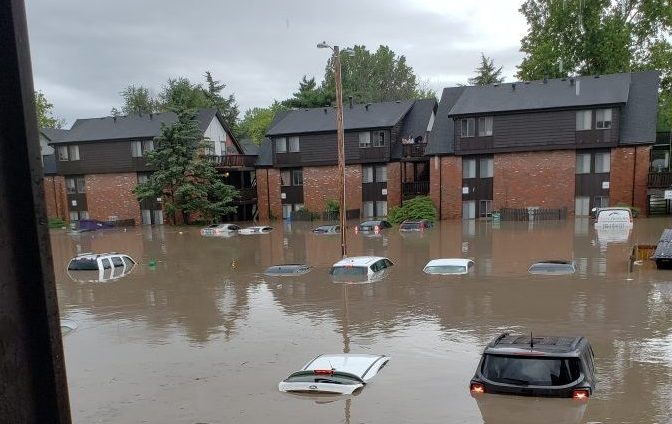
Flooding is our nation’s most common natural disaster. Regardless of whether a lake, river or ocean is actually in view, everyone is at some risk of flooding. Flash floods, tropical storms, increased urbanization and the failing of infrastructure such as dams and levees all play a part — and cause millions (sometimes billions) of dollars in damage across the U.S. each year.
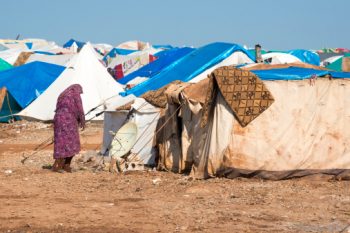
After a disaster, shelter is more than a place to rest, it is a place of security, access to food, water and medical treatment. A place to start recovering after a disaster.
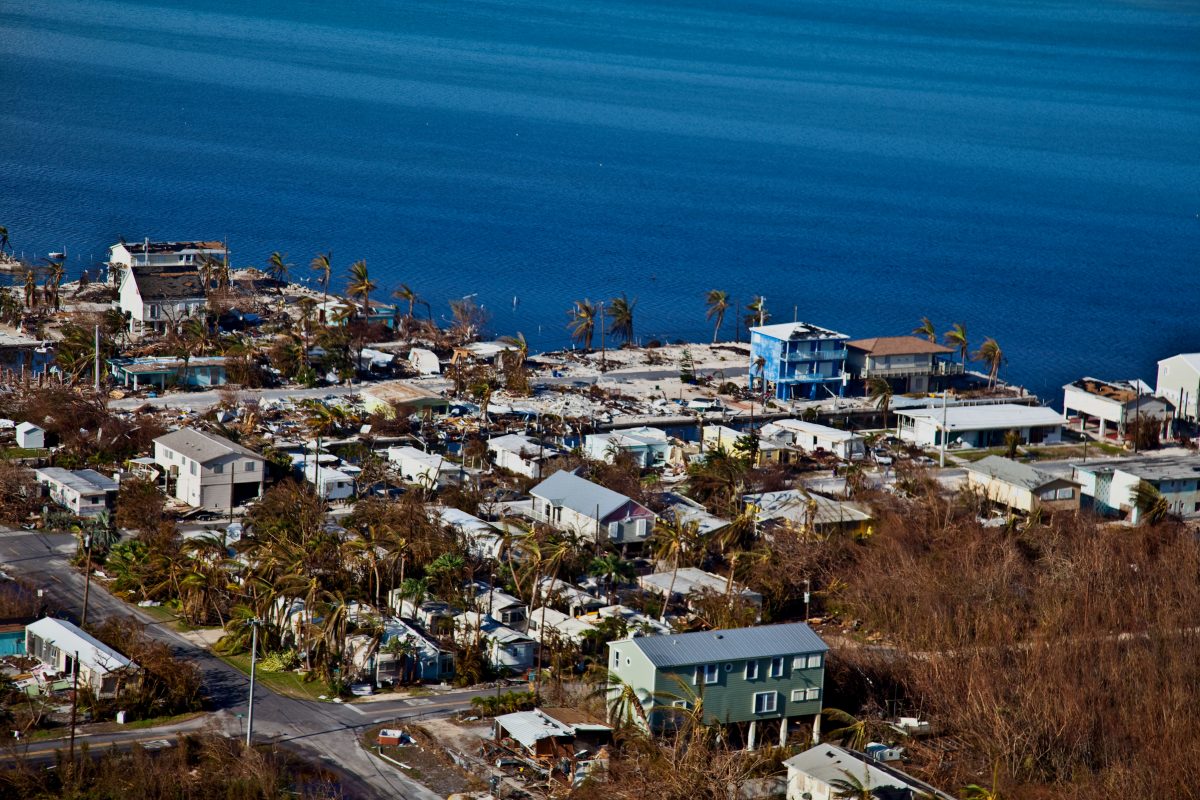
Tropical cyclones (also known as hurricanes and typhoons) pose significant global threats to life and property, bringing a variety of hazards, including storm surges, flooding, extreme winds and tornadoes. Funders can intervene to reduce harm to people and property, before, during and after storms.