Issue Insights
Explore practical information and analyses of types of disasters, related issues, affected communities, recovery strategies and how donors can help.
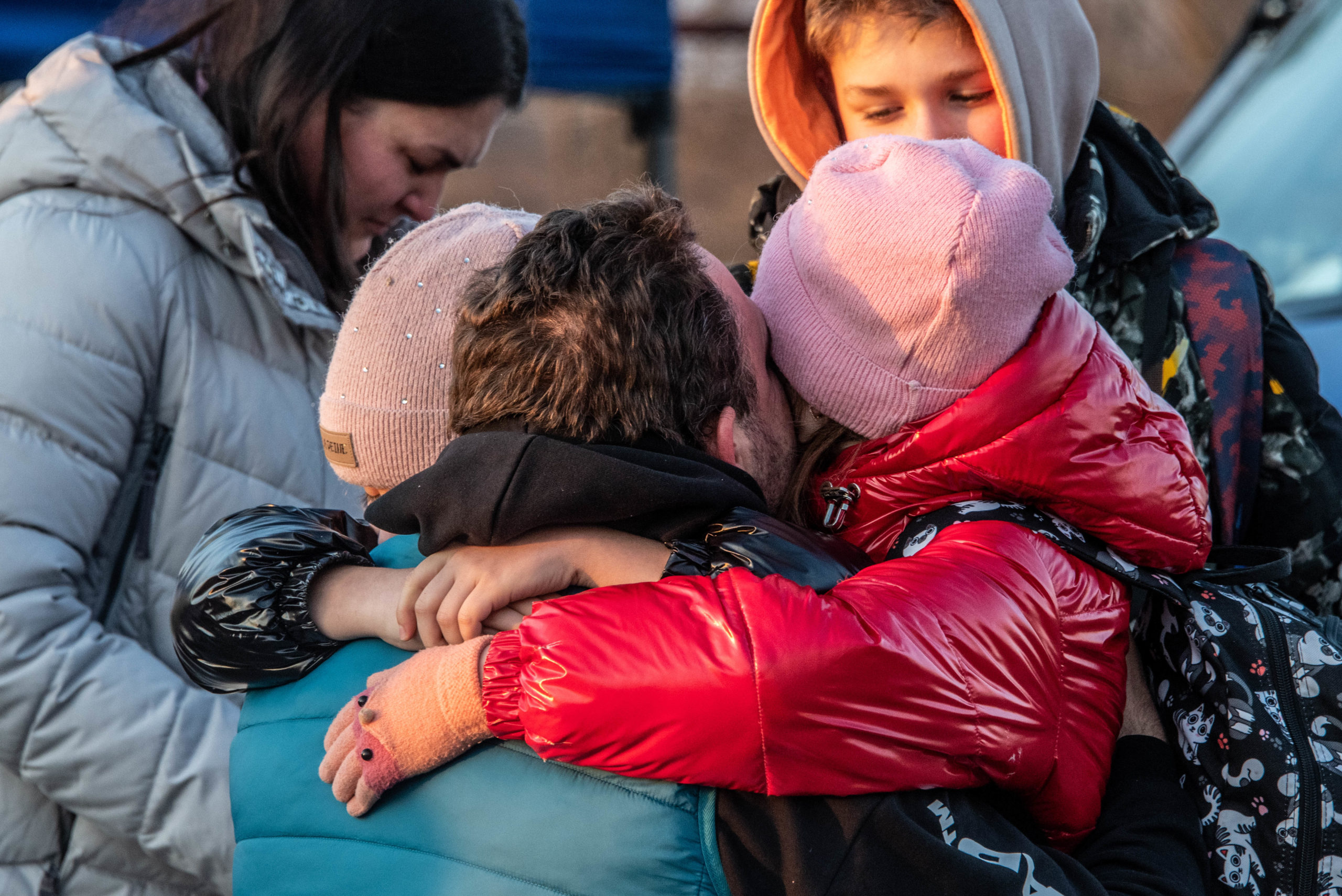
Refugees
Refugees are people who have been forced to cross borders to escape persecution, violence or disasters. All refugees are displaced people, but not all displaced people are refugees. Internally displaced people (IDPs) are those who have been forced from their homes but have not crossed an international border. Refugees often live in displacement camps or under-served communities in their host countries, and are subject to specific risks before, during and after disasters.
View by
Close
InterAction
InterAction is a consortium of NGOs working internationally in humanitarian and development work.
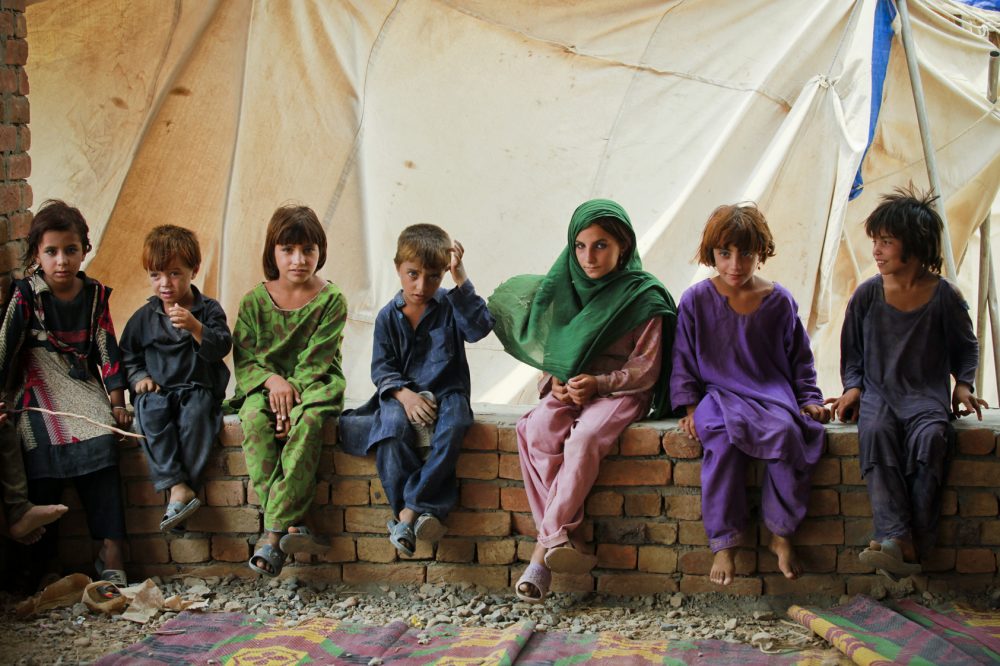
Internally Displaced People
Internally displaced persons are those who have been forced to flee their homes, in particular as a result of armed conflict, generalized violence, violations of human rights or disasters, and who have not crossed an internationally recognized border.
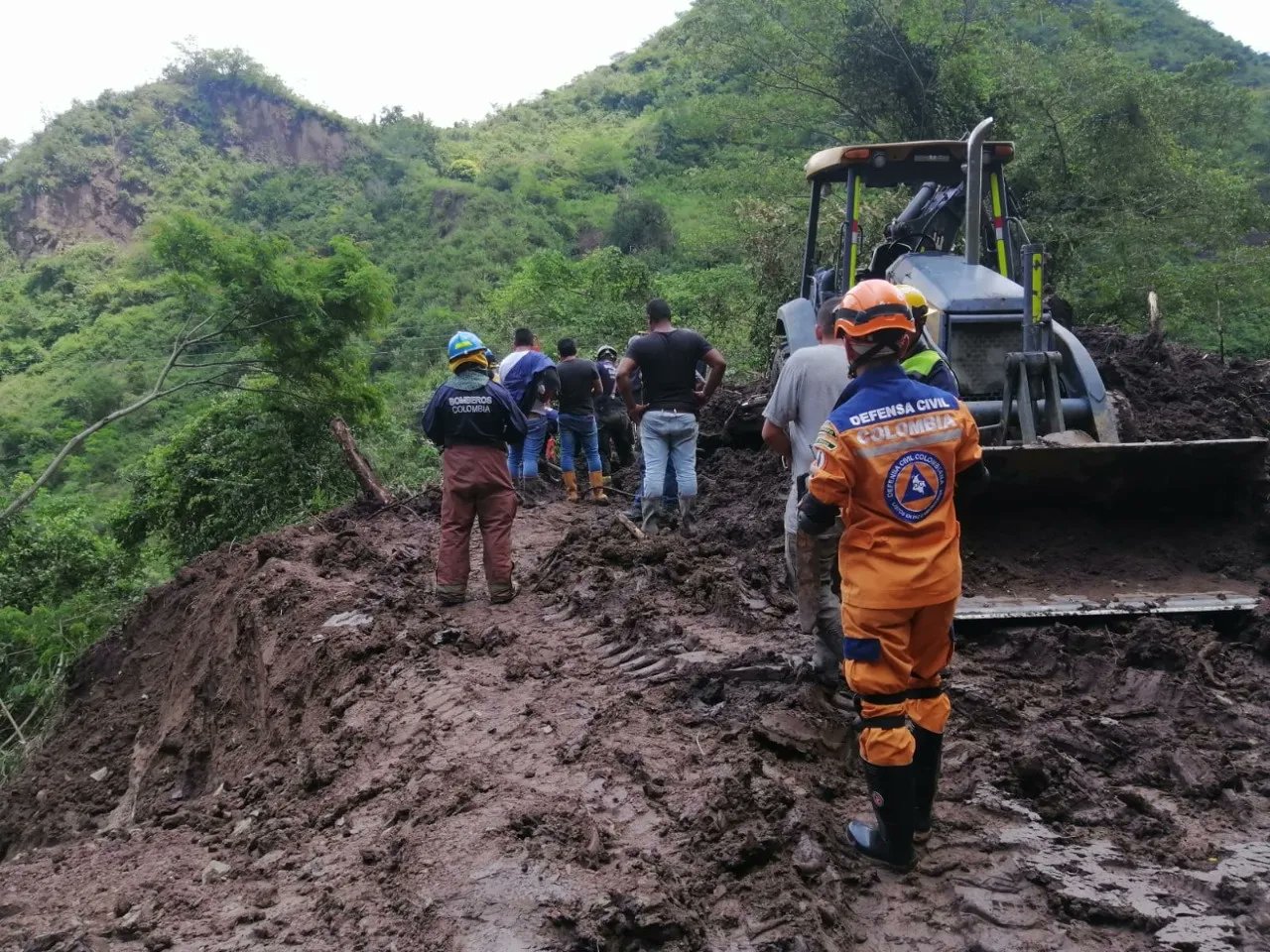
Landslides
Landslides are a movement of a mass of rock, debris or earth down a slope. Landslides are a type of ‘mass wasting,’ which denotes any down-slope movement of soil and rock under the direct influence of gravity.
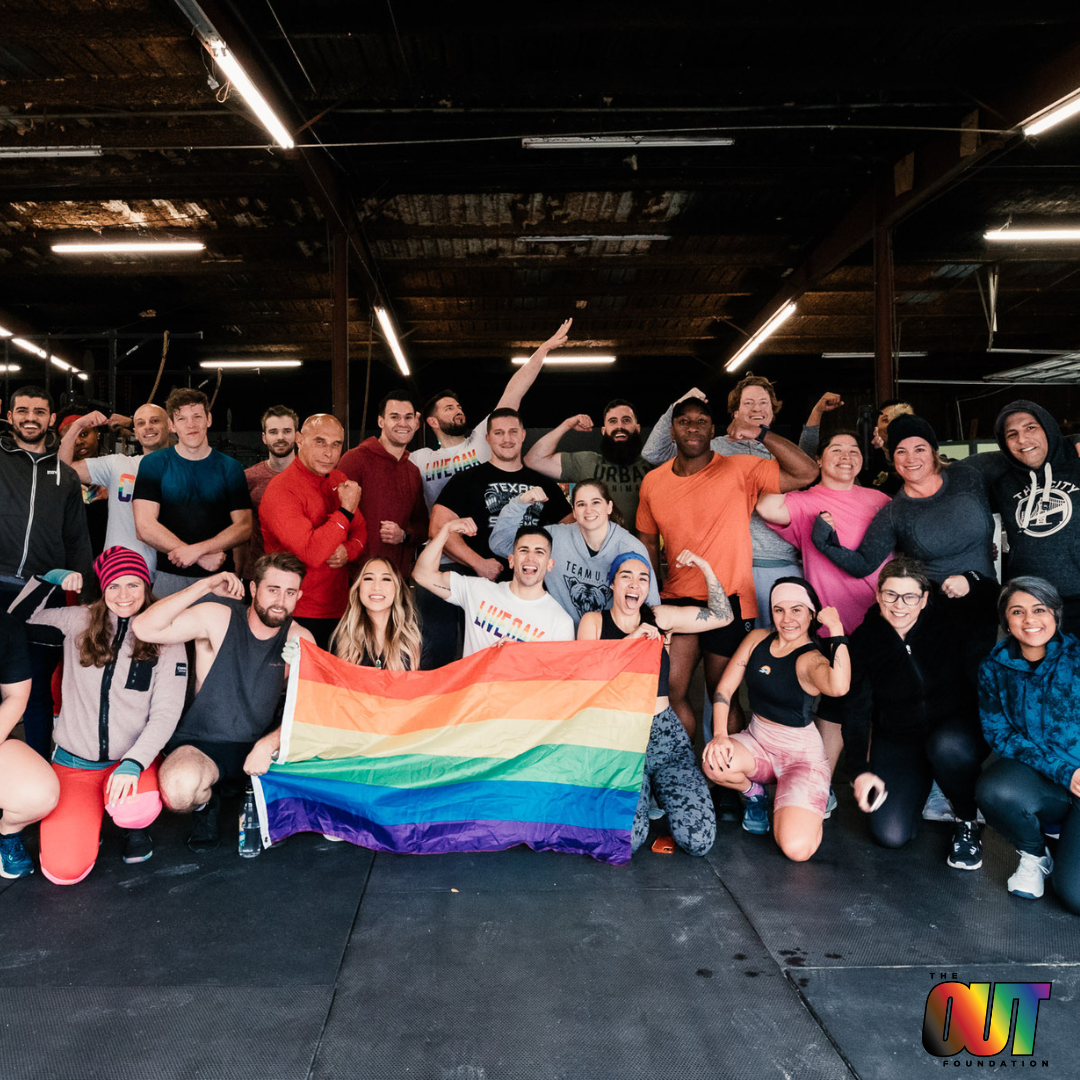
LGBTQIA+ Communities and Disasters
Before a disaster strikes, the LGBTQIA+ community faces higher than average rates of poverty, a pronounced lack of access to social services and exclusion from health care. During and after a disaster, these vulnerabilities multiply if policymakers and relief organizations fail to intentionally include LGBTQIA+ people in disaster planning.
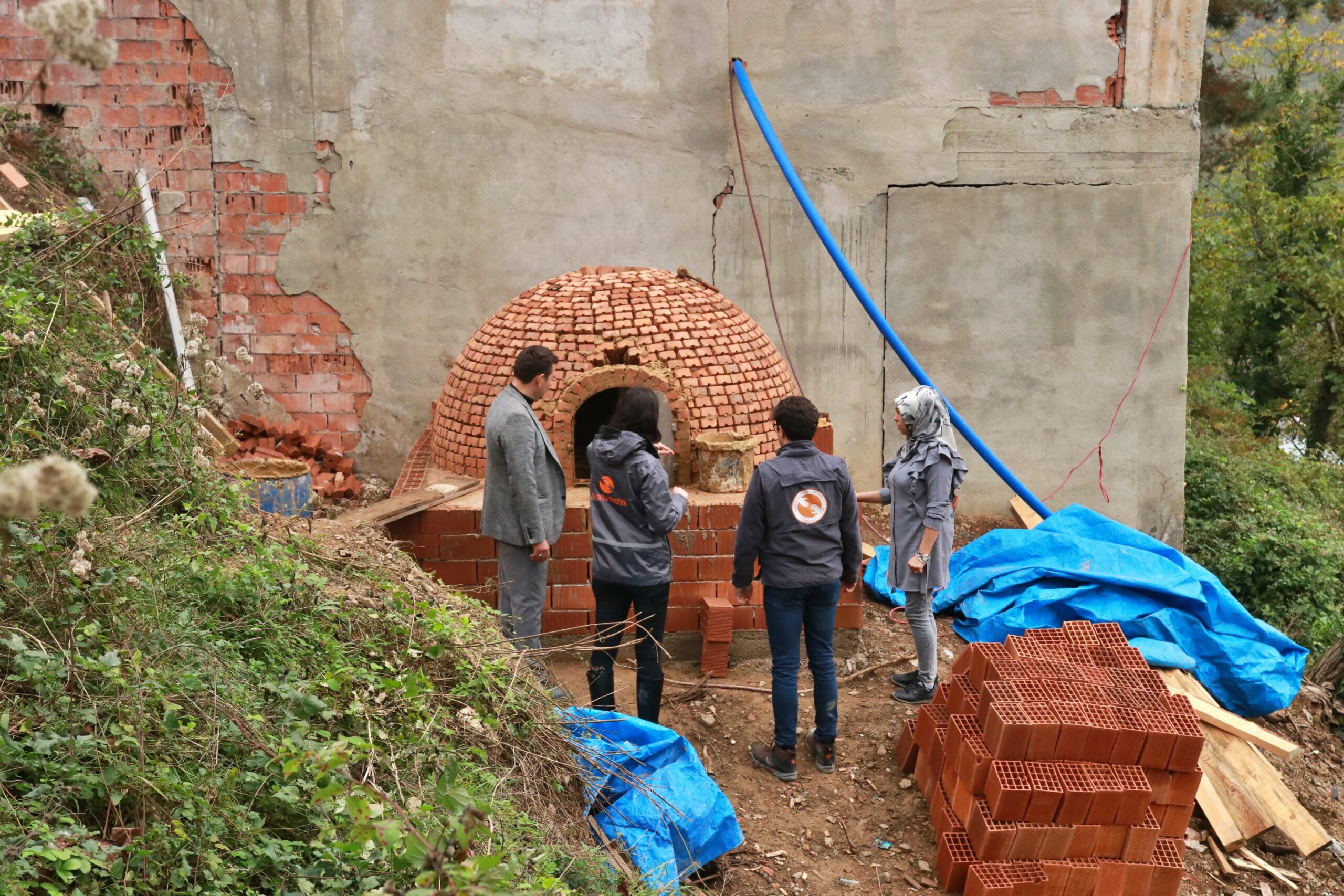
Localization
It is commonly acknowledged that all disasters start and end locally. Though there is no single definition, localization is a process of recognizing, respecting and strengthening the leadership by local authorities and the capacity of local civil society in humanitarian action to better address the needs of affected populations and to prepare for future humanitarian responses.
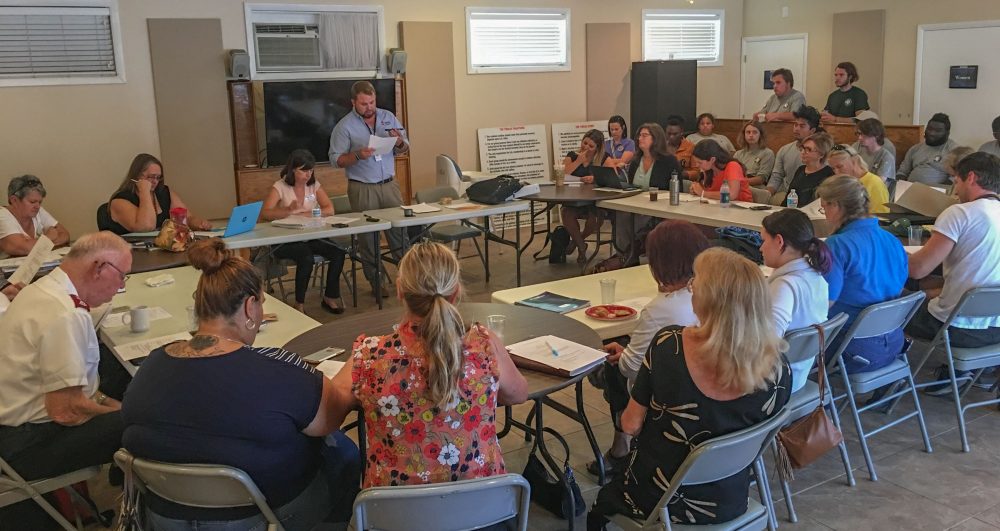
Long-Term Recovery Groups
A long-term recovery group is a cooperative body that is made up of representatives from faith-based, nonprofit, government, business and other organizations working within a community to assist individuals and families as they recover from disaster.
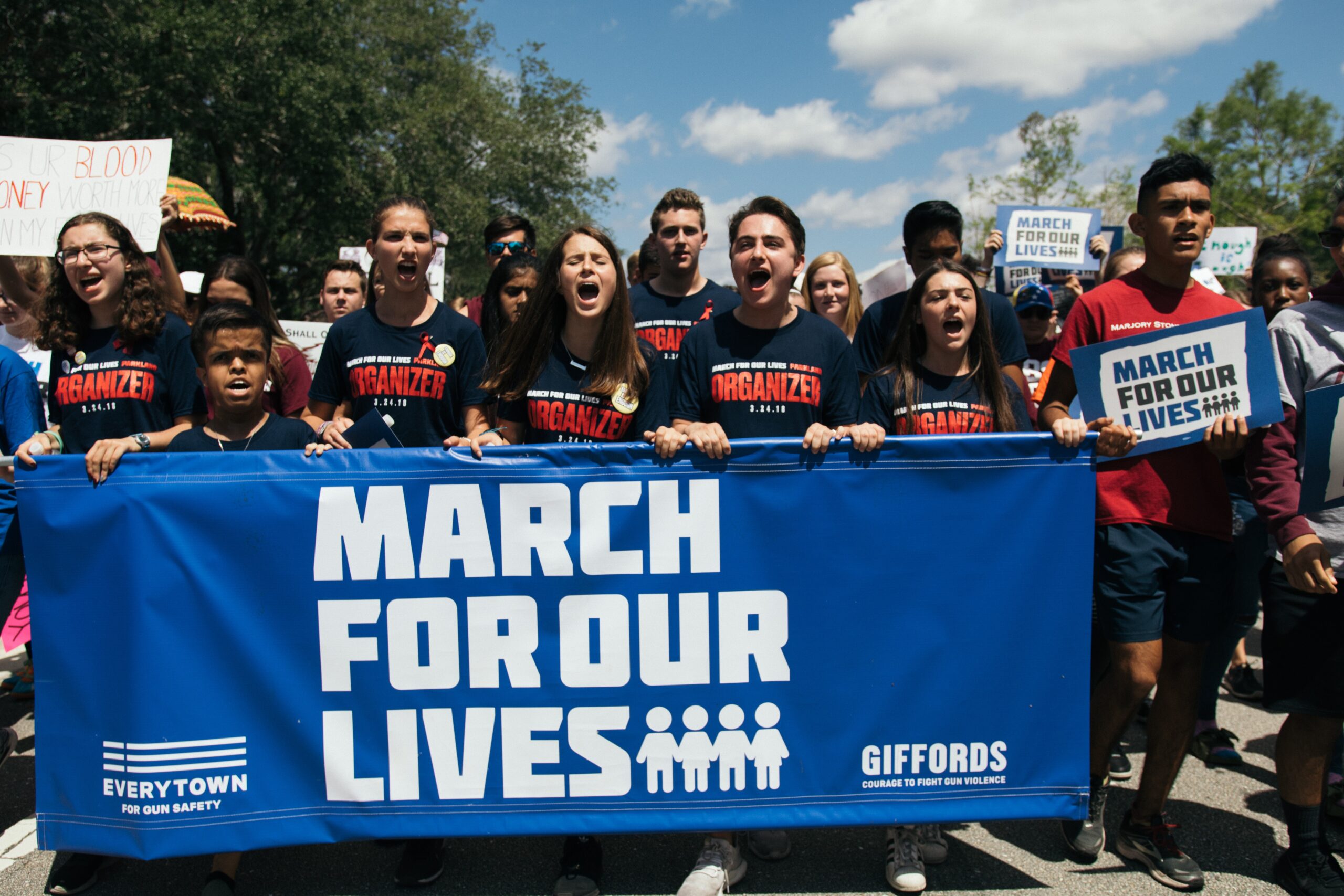
Mass Shootings
CDP does not respond or provide resources for mass shootings. However, this Issue Insight provides basic information on mass shootings to help funders impacted by an event in their community.
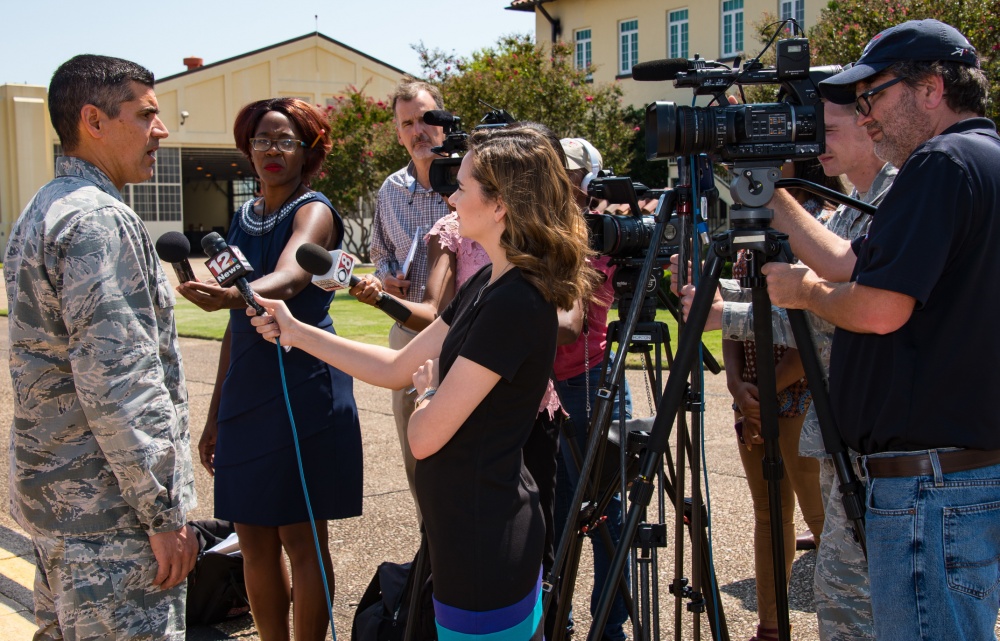
Media
When disaster strikes, first responders are followed by journalists, videographers and photographers from local, regional and national media organizations. While these storytellers provide valuable insights into catastrophes, journalists also risk their lives and sometimes the lives of their subjects in pursuit of reporting.
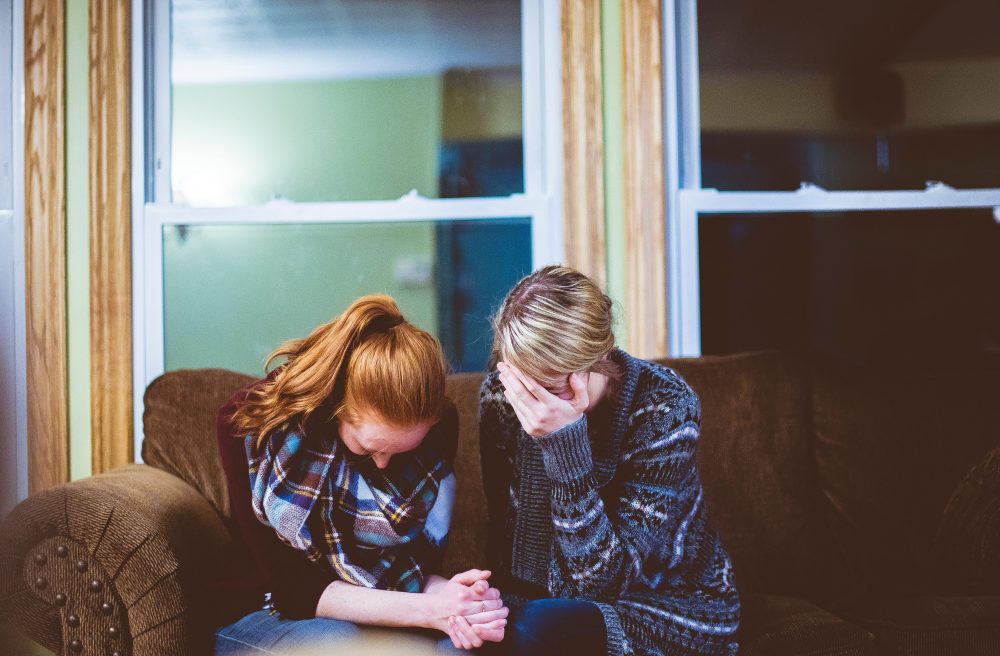
Mental Health and Trauma
Mental health includes our emotional, psychological, and social well-being. It affects how we think, feel, and act. It also helps determine how we handle stress, relate to others, and make choices. Mental health is important at every stage of life, from childhood and adolescence through adulthood.
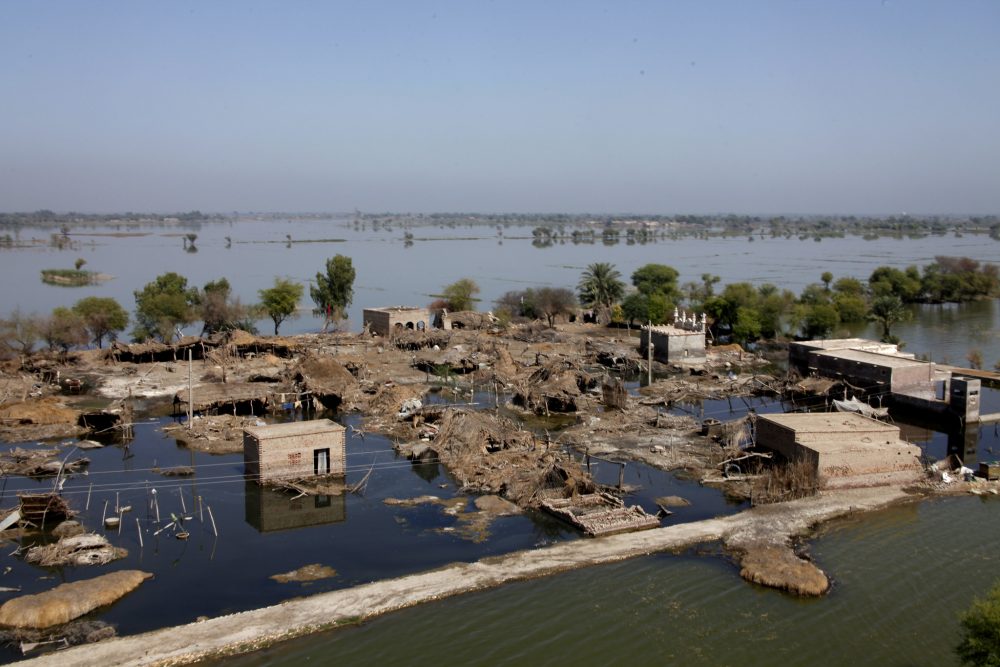
Monsoon Seasons
While often thought of as long-term heavy rain over a specific area, a monsoon is actually the name for a seasonal change in the direction of the prevailing winds. It can bring either extremely wet or extremely dry weather to an area.