Meet Our Truist Foundation Western North Carolina Recovery and Resiliency Fund Grantee Partners
The Truist Foundation Western North Carolina Recovery and Resiliency Fund supports critical housing and small business recovery and long-term resiliency in communities devastated by Hurricane Helene in Western North Carolina.
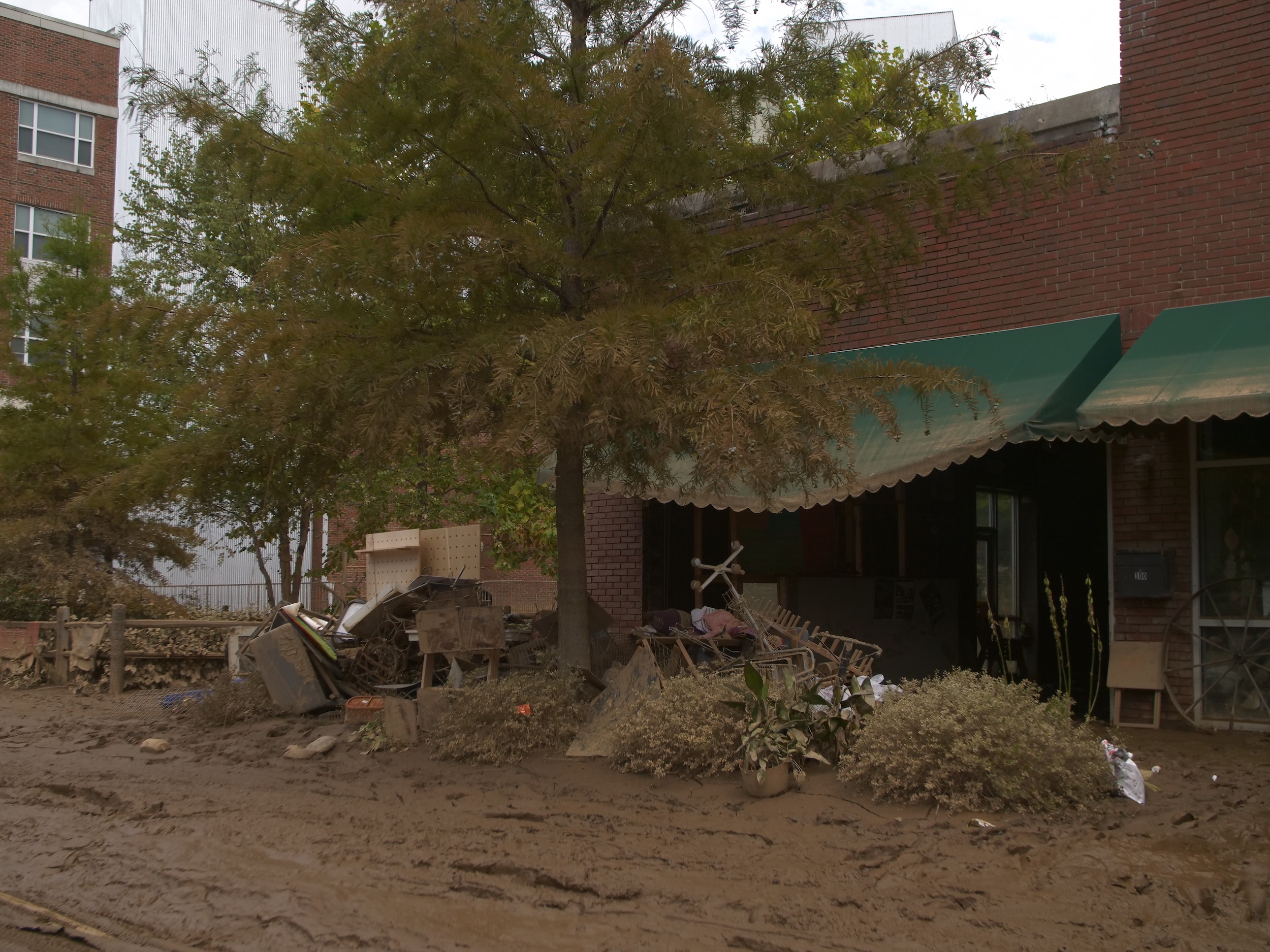
All Hands and Hearts received $100,00 for its Resilient Hurricane Repair Program in Western North Carolina. The funding will support housing recovery by supporting direct home repair work in rural communities across several counties.
Appalachia Service Project received $300,000 for its Western North Carolina Helene Housing Recovery Program in Mitchell, Avery and Yancey counties. The funding will support the construction of housing to foster long-term housing security, equity and stability across the region’s most impacted communities.
Appalachian Community Capital Development Foundation was awarded $1 million to advance small business recovery and resilience in Western North Carolina (WNC) through connection to community development financial institutions (CDFIs) as well as direct small business grant opportunities. Funds will also support technical assistance and organizational infrastructure development to sustain operations and strengthen planning around future disasters.
Asheville Buncombe Community Land Trust received $345,000 for its Swannanoa Mobile Home Park Project. The funding will address long-term recovery housing needs through the establishment of a new mobile home park in Swannanoa, NC.
Boone Area Chamber of Commerce Economic Development Commission Inc. Foundation received $250,000 for long-term economic recovery and small business resilience in Ashe, Avery and Watauga counties. The funding will support direct subgrants and recovery trainings for small businesses.
Carolina Farm Stewardship Association received $200,000 to support independent farmers through their Western North Carolina Food System Recovery and Resilience Initiative. Funding will support small business grant opportunities, technical assistance, and tools and resources for farms impacted by Helene.
Carolina Small Business Development Fund received $300,000 for the Western Women’s Small Business Center in support of the Helene Relief and Recovery Program, which provides services for small business recovery across multiple Western North Carolina counties.
Center for Community Self-Help received $250,000 for its Self-Help Western North Carolina Affordable Housing and Recovery Initiative, in support of families impacted by Hurricane Helene. The grant provides down payment subsidies and financial risk mitigation to allow low-to-moderate-income borrowers to access affordable homes in Avery, Buncombe, Burke, Cherokee, Clay, Graham, Haywood, Henderson, Jackson, Macon, Madison, McDowell, Mitchell, Polk, Rutherford, Swain, Transylvania, and Yancey counties and the Qualla Boundary.
Children and Families Resource Center received $100,000 to support long-term housing recovery and supportive services through their disaster case navigation program in Henderson County.
Colaborativa La Milpa, as fiscal sponsor for PODER Emma, received $500,000 for long-term housing recovery in the Carolina Wren Housing Cooperative in the unincorporated Buncombe County community of Emma. The funding will support mobile home replacement and refurbishment. It will also support first-time homebuyer education and economic recovery initiatives.
Community Organized Relief Effort (CORE) received $428,949 for its WNC Home Rebuild Program for survivors of Hurricane Helene. The funding will support direct repairs, rebuilds and mitigation of mobile homes in rural communities in Buncombe, Henderson, Transylvania and Haywood counties in Western North Carolina.
Co-Operate WNC received $170,000 to support cooperative bulk purchase programming, aiming to increase resiliency and long-term recovery for farmers, small farms and food businesses in Buncombe, Madison, McDowell, Rutherford, Jackson, Yancey, Henderson, Watauga, Polk and Mitchell counties.
Divine Disaster Relief received $115,000 to support housing recovery in rural communities in McDowell, Buncombe, Yancey, Burke, Henderson and Mitchell counties. The funding will support long-term recovery, combining technical housing interventions with holistic case management.
EcoForesters received $100,000 for their Forest Recovery & Resilience – Rural Community Engagement & Action Project to help Helene-impacted landowners address the resiliency and recovery of private forests in Western North Carolina. The funding will support outreach and education centered on post-disaster management planning, wildfire mitigation and non-native invasive species control. It will also support the agency cost-share program and professional forestry technical assistance to rural forest owners in Haywood, Transylvania, Madison, Buncombe, Henderson, Yancey, McDowell, Rutherford, Polk, Mitchell, Avery, Burke, Watauga and Ashe.
Energy Savers Network was awarded $273,900 for the Post-Helene Energy Efficiency, Home Repair, and Housing Stability project. This support will allow Energy Savers Network to provide housing recovery services to Helene–impacted households in Buncombe, Madison, McDowell and Henderson counties. This includes home assessment and weatherization; major energy-efficiency upgrades to home space and water heating systems, insulation and heat repair, and Energy Star refrigerator replacements. This work enhances household qualifications for additional Duke Energy program support.
Footprint Project received $100,000 in support of its Powering Resilience project, which provides assistance for obtaining sustainable energy sources to survivors living in RVs, tiny homes and other non-traditional homes without grid access in Buncombe, Mitchell, McDowell, Henderson, Madison, Yancey and Avery counties. Funds will also increase year-round capacity for Footprint Project’s case management services across rural Western North Carolina.
Grace Covenant Presbyterian Church received $242,650 for the Helene Deeply Affordable Housing and Recovery Initiative. This will support stipends for community group members to engage in planning their affordable housing initiative, establishing pathways toward long-term housing security, financial resilience and community connection. Residents from across WNC will be eligible to apply for this housing. This grant also supports coordinated recovery services for impacted Buncombe households, including wrap-around disaster case management.
High Country Caregiver Foundation received $350,000 for housing repair and replacement in Avery, Mitchell and Yancey Counties. The funding will support dozens of families enrolled in the organization’s kinship care case management system by repairing heavily impacted homes, including mobile homes. The initiative aims to stabilize housing to allow families to remain together and more fully participate in the organization’s support programs.
Invest Appalachia received $1 million for housing and small business recovery and support for community resilience hubs. Invest Appalachia will provide assistance and support for disaster recovery throughout Western North Carolina in response to Hurricane Helene.
Madison Alliance for Rebuilding Communities, through fiscal sponsor Community Housing Coalition of Madison County, received $488,625 for its Rebuild and Fortification Program. The funding will support direct repairs, rebuilds and mitigation, along with associated case management services, in rural Madison County communities.
Mennonite Disaster Service was awarded $300,000 to support the renovation of a church into a dormitory to house cohorts of up to 40 skilled volunteers who will deploy throughout the impacted region to repair and rebuild homes and private-access bridges.
Mitchell County Development Foundation received $510,000 to advance small business recovery. The funding will support small business grant opportunities in Spruce Pine and throughout the county to allow businesses to reopen or sustain operations.
Mountain BizCapital Inc. (aka Mountain BizWorks) received $1 million to support the long-term recovery and sustainability of small businesses in Western North Carolina. It will provide $750,000 in direct recovery grants and strengthen the region’s entrepreneurial ecosystem by offering continued technical assistance. It will help small businesses navigate the recovery process, ensuring they have the capital, resources and backing needed to rebuild and thrive. Focusing on immediate recovery and long-term resilience, this program aims to foster economic growth and stability across the region’s most impacted communities.
Mountain Housing Opportunities was awarded $1 million to focus on housing recovery efforts, especially for Hurricane Helene-impacted low-income individuals and households that own or rent homes in Buncombe County, North Carolina, and surrounding areas. Grant funding will assist Mountain Housing Opportunities with providing emergency repairs, tenant recovery navigation services, staff wellness initiatives, infrastructure repairs, and access to other available housing recovery programs and funding.
MountainTrue was awarded $750,000 to support waterway cleanup in Helene-impacted waterways. The initiatives will support small businesses that drive the outdoor recreation economy, monitor and help restore river water quality and enhance resiliency.
Mountain Valleys Resource Conservation and Development Council was awarded $126,500 for its Wildfire Mitigation for Communities with Compounded Fuel Load Post-Helene initiative, which aims to increase resilience by removing woody hurricane debris and reducing fire risk to homes in rural communities in Madison, McDowell, Polk, Buncombe, Henderson, Transylvania, Rutherford and Cleveland counties.
National Community Pharmacists Association Foundation received $300,000 to support independent community pharmacies throughout Western North Carolina as they recover from Helene. This funding will support equipment, technical assistance, certification and access to workforce development resources that will increase community resilience.
North Carolina Baptist Men received $400,000 for itsWestern NC Helene Rebuild Program Housing Recovery program, allowing families to remain in or return to homes damaged in Hurricane Helene. Deploying from five Rebuild Centers in Western North Carolina, this program provides housing repairs and reconstruction in Ashe, Avery, Mitchell, Yancey, Madison, Haywood, Buncombe, Polk, Transylvania, Henderson, McDowell, Rutherford, Burke and other nearby counties.
Northwestern Housing Enterprises, Inc., also known as Northwestern Regional Housing Authority (NWRHA), received $750,000 for long-term housing recovery. Funding will support the development of two affordable-housing communities in Yancey and Avery counties.
Pisgah Legal Services received $400,000 to provide no-cost disaster-related legal services to survivors and eligible disaster-impacted nonprofit organizations across 18 counties in Western North Carolina.
PivotPointWNC was awarded $200,000 in support of the expansion and sustained delivery of its Resilient Futures: Expanding Behavioral Health Programming for Helene-Impacted Youth program, providing community-integrated behavioral health programming for cohorts of teens in Helene-impacted communities across WNC. In close partnership with multiple state and community support services, this project provides a range of nature-based, experiential skills building programs and long-term resilience support for rural teens in Buncombe, McDowell and Transylvania counties and surrounding communities.
Rebuild Hot Springs Area received $390,000 for its Residential Rebuilding and Resiliency initiative. The funding will support direct repairs, rebuilding and mitigation work on homes in rural communities in the Madison County community of Hot Springs.
SBP received $110,000 for the Rebuild and Fortification Housing Recovery Program, part of the organization’s Western North Carolina’s Resilient Recovery: Hyper-Local Capacity & Community-Driven Partnerships Program. This grant supports the embedding of an SBP Resilience Fellow within a longstanding local housing recovery group, thereby adding capacity for direct repairs and wraparound services to enhance household-level resilience and recovery. The SBP Resilience Fellow’s work will span communities in Henderson, Transylvania and Polk counties.
SeekHealing received $275,000 to support community-led emotional and practical support, mental health and social wellness training, and recovery navigation. The grant will allow SeekHealing to activate “community superheroes” to facilitate social health programs in Asheville and Waynesville, North Carolina, coordinate mutual aid matchmaking efforts, and provide accessible and regular mental health first aid to survivors in their communities, particularly those who cannot access traditional clinical mental health services.
Serve Management Group received $150,000 for the Mission Serve Disaster Recovery Project to conduct housing recovery work in Yancey, Avery, Mitchell, Buncombe and Madison counties. Partnering with local organizations, Serve Management Group youth volunteers and construction professionals provide long-term recovery support in smaller rural communities, and strive to deliver hope to impacted communities.
Swannanoa Communities Together, via fiscal sponsor Asheville Creative Arts, Inc., received $300,000 for housing recovery, case navigation services and community-led disaster recovery initiatives for the unincorporated Swannanoa Valley.
Transylvania Habitat for Humanity received $585,000 for housing recovery and case navigation services in Transylvania County. The funding will support sustainable long-term housing by delivering disaster-resilient housing solutions and reinforcing community infrastructure.
The Housing Assistance Corporation received $300,000 for its Disaster Home Repair and Rebuild Program, ensuring housing recovery through repairs and wraparound case management services in the rural communities it serves in Henderson, Polk and Transylvania counties.
The Mediation and Restorative Justice Center received $100,000 to repair the hurricane-damaged Homestead Recovery Center and to implement innovative, peer-led, collaborative mental health programs for justice-impacted survivors of Hurricane Helene in Watauga and Avery counties.
Valley Hope Foundation received $175,000 for its Foundations of Hope housing recovery efforts in rural and unincorporated communities in Buncombe, McDowell and surrounding counties. This initiative includes conducting essential home repairs, hazardous debris removal, structural and geotechnical stabilization, mold remediation, well and septic system repair, and the demolition of unsafe residential structures.
Vecinos received $300,000 for the Western NC Community Resiliency Initiative, helping to transform the existing Community Health Hub into a Resiliency Hub serving households and small businesses in Cherokee, Clay, Graham, Haywood, Jackson, Macon and Swain counties. The project addresses gaps by linking health access directly to disaster readiness and recovery support access.
Western North Carolina Conference of the United Methodist Church received $500,000 for housing recovery in Western North Carolina. The funding will support case management, construction and volunteer engagement in Avery, Mitchell, Yancey, McDowell, Buncombe, Haywood, Henderson, Madison, McDowell, Ashe and Watauga counties.
WNC Food Systems Coalition received $300,000 for its Small Business Resilience for Food Security, Health in Rural Communities project, which supports small farm businesses and rural communities in Madison, Yancey, Mitchell, Avery and Rutherford counties.
New grantee partners will be posted as additional grant funds are awarded.