
The Ebola outbreak is a test of what philanthropy does now and next
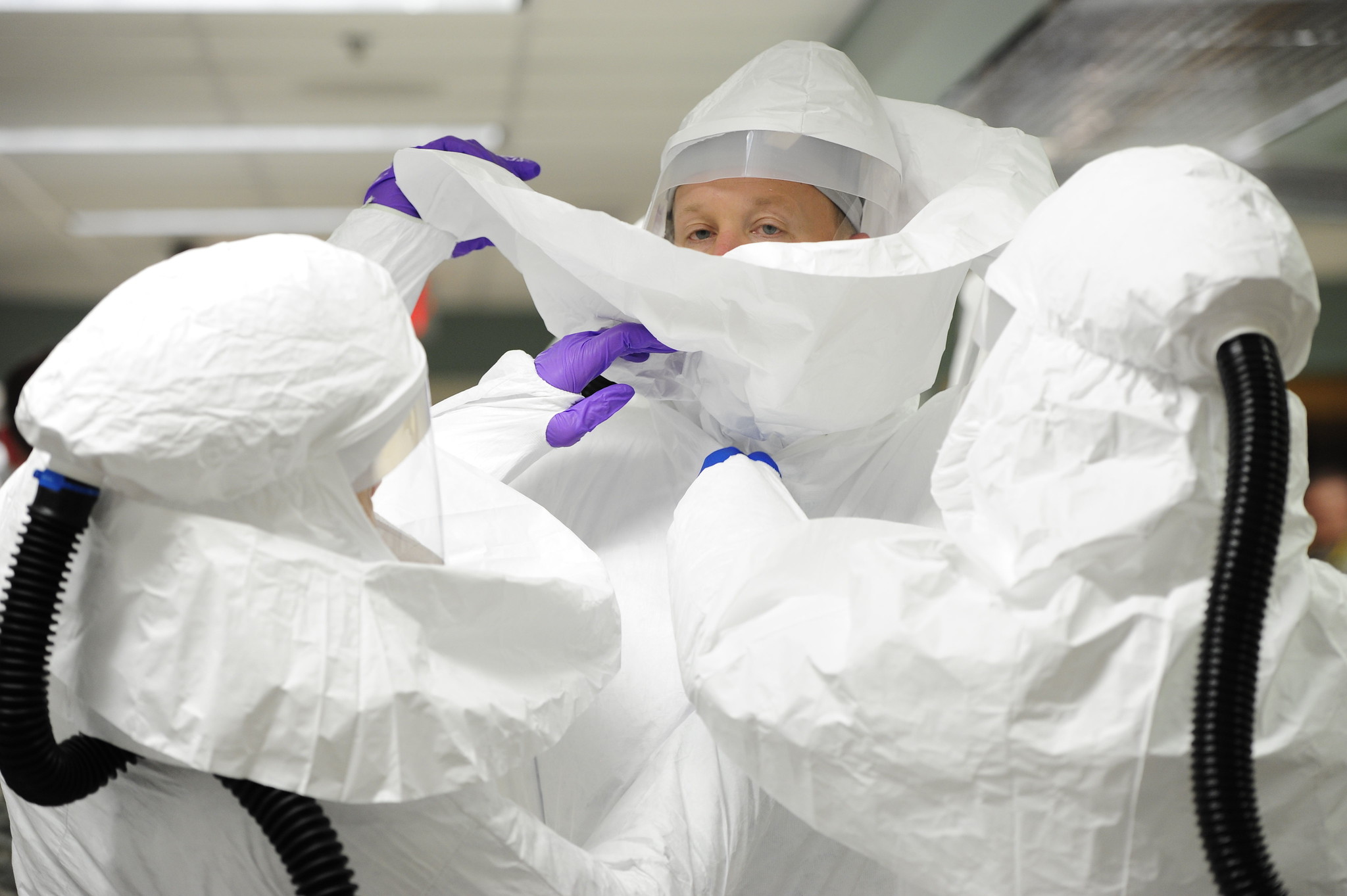
The COVID-19 pandemic changed how many of us understand the threat of disease outbreaks. But as a humanitarian, I also remember the fear and urgency of the 2014-2016 West Africa Ebola outbreak: the enhanced airport screenings, the three-week monitoring of returning aid workers, and the U.S. government standing up a whole-of-government response.
After the West Africa Ebola outbreak and the COVID-19 pandemic, one might expect the world to be better prepared for the current Ebola outbreak in the Democratic Republic of the Congo (DRC) and Uganda. Instead, this crisis is unfolding within a vulnerable ecosystem of health care, humanitarian response, disease surveillance, community trust and global financing.
Communities in eastern DRC are facing Ebola Bundibugyo virus amid insecurity, population movement and an already fragile humanitarian context. Uganda has also confirmed cases linked to the outbreak. Health authorities, local organizations and international responders are working to contain the spread, trace contacts, care for patients and communicate clearly with affected communities.
Global aid shifts
The global aid environment has changed significantly in recent years. Recent cuts and policy shifts have not simply reduced funding. They have weakened the resources, personnel and infrastructure that many countries and organizations have relied on for outbreak detection, preparedness and response. During the 2014-2016 West Africa outbreak, more of the global health infrastructure needed to respond was in place. That included substantial U.S. government leadership and support, technical expertise from the Centers for Disease Control and Prevention (CDC), coordination by the World Health Organization (WHO), and local health workers and humanitarian organizations working together to detect cases, contain transmission and respond to community needs.
That infrastructure was not perfect. But it helped detect outbreaks earlier, move information more quickly, provide communities with trusted guidance, and support health workers in responding more safely and effectively. When infrastructure is weakened, outbreaks become harder to prevent, identify and ultimately stop.
Philanthropy’s role
Philanthropic funding cannot replace official government aid. Nor should it be expected to carry responsibilities that belong to governments and multilateral institutions.
But philanthropy still has a vital role to play. It can move quickly and provide flexible funding to organizations already working in affected communities.
The task now, especially for donors, is to respond to the urgent needs in front of us while investing in the systems communities will need for the future. That includes supporting local responders who understand the context, language, geography and trust dynamics that determine whether public health guidance is heard and followed. It also means sustaining work that is too often overlooked: risk communication, community engagement, support for health workers and recovery for families and communities affected by illness, isolation and loss.
Philanthropy can also fund what comes next: preparedness, local and national public health capacity, community-led organizations before they are in crisis, and trusted intermediaries that can move resources responsibly in complex environments. Viral outbreaks, like hurricanes, conflict and displacement, do not yield to borders or fit neatly into a single giving priority. Donors should give in ways that recognize that health emergencies, humanitarian crises and disasters are deeply connected.
At CDP, we are continuing to monitor the outbreak and remain in contact with partners and grantees in the region to better understand emerging needs. Through our Global Recovery Fund, we are supporting organizations responding to complex humanitarian crises and, as always, helping donors direct their support to meet urgent needs and strengthen the path to recovery.
As we look ahead, our goal should not be to rebuild the aid system exactly as it was, but to help build what should come next: resources that move faster, support that reaches communities more directly and systems that are stronger before the next crisis arrives. For all of us in philanthropy, that work starts with the choices we make now.
Patricia McIlreavy
President and CEO